Trump Doubles Down on ‘86’ as Mob Term Following Comey Indictment
Presidential Comments Raise Controversy Over Language and Alleged Threats
Context Behind the Controversial Term
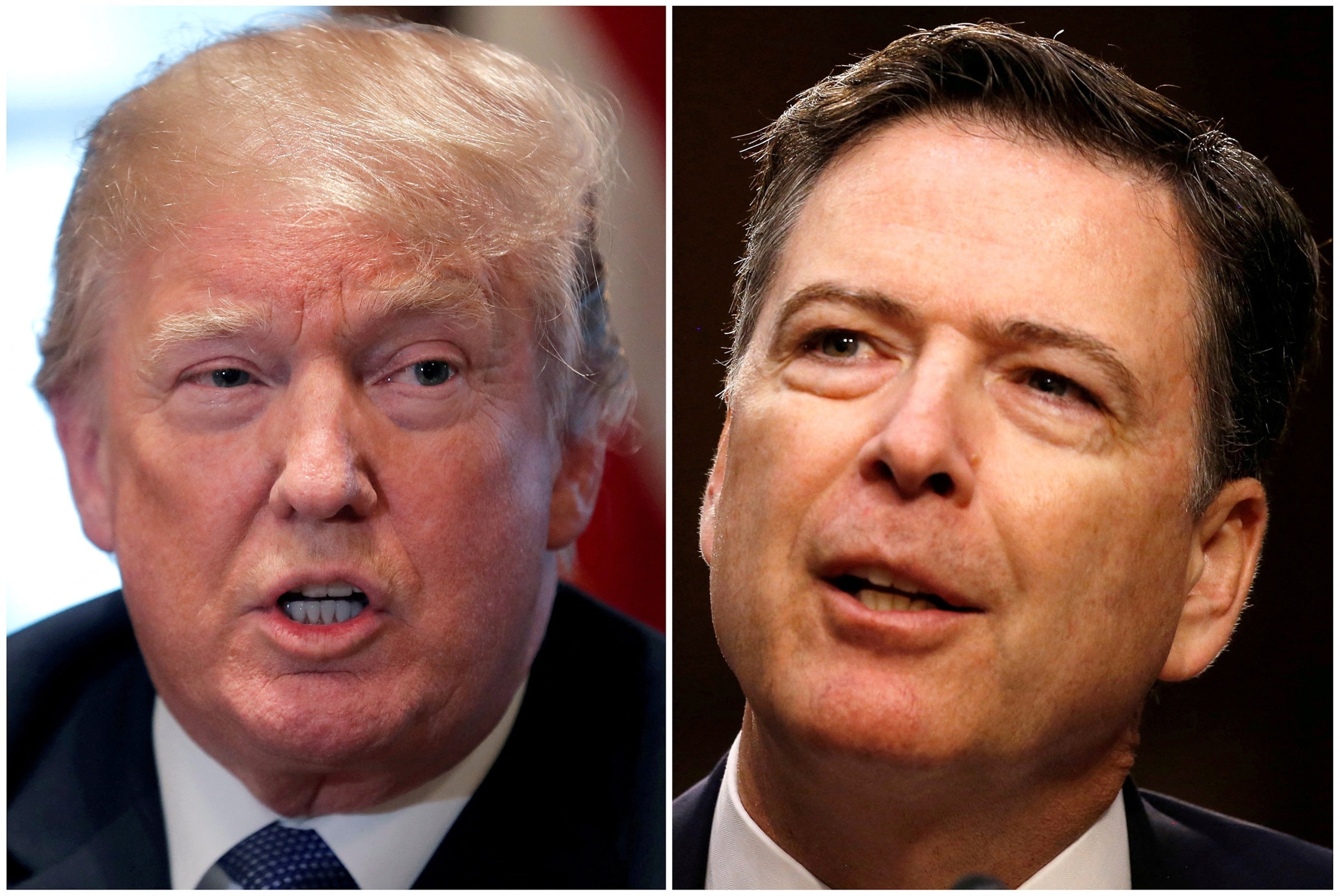
Recent comments from President Donald Trump have reignited debate over the significance of the term ‘86’, which he claims to signify a mob-style order for assassination. This assertion emerged amidst the legal challenges faced by former FBI Director James Comey, who has been indicted for allegedly making threats against Trump in a social media context.
The Indictment of James Comey
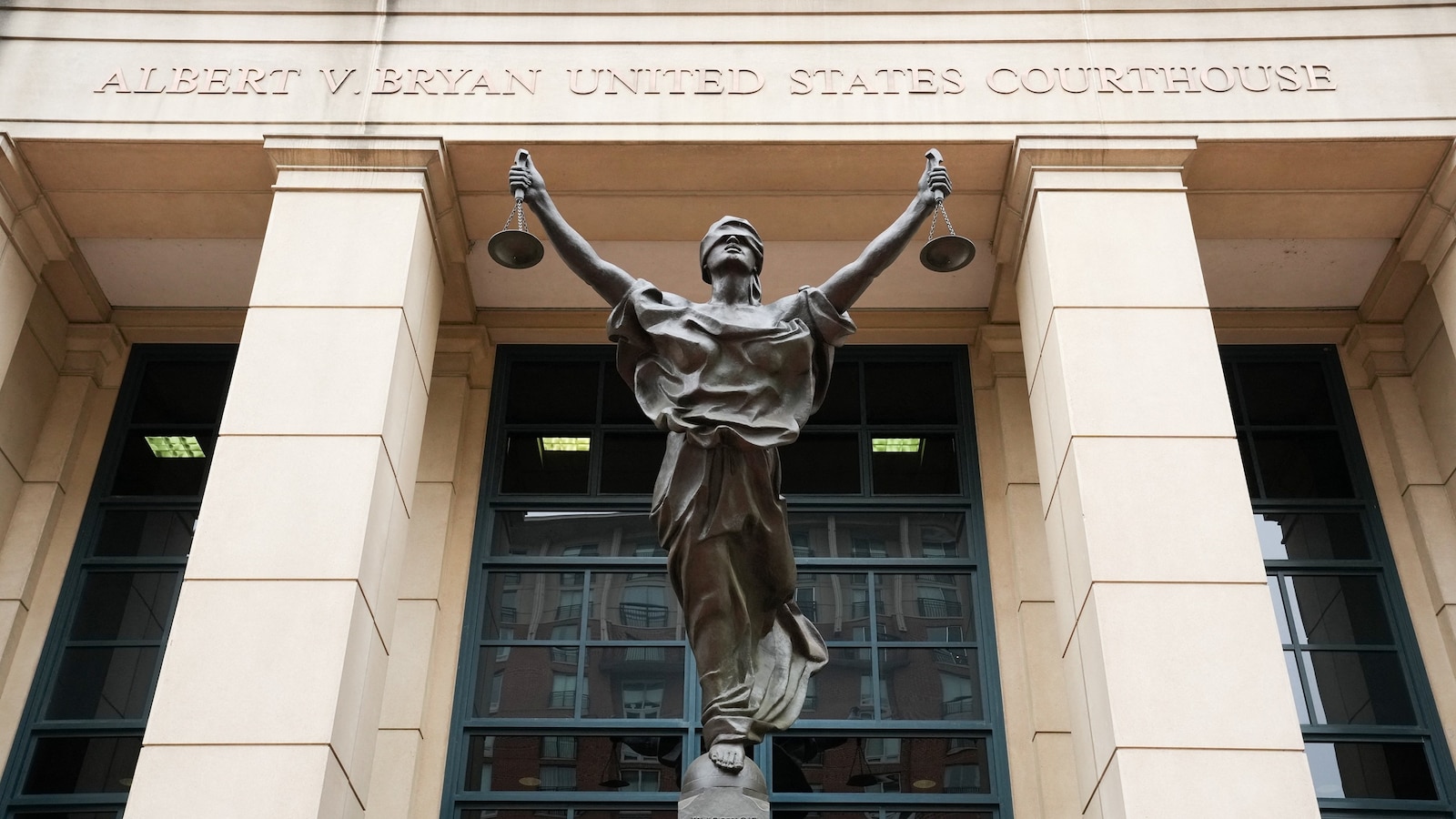
Comey, who made headlines for his controversial firing by Trump in 2017, appeared in court after being indicted by a federal grand jury in North Carolina. He was charged with threats against the president and unlawful transmission of threats via interstate commerce. The case stems from a social media post in which Comey utilized seashells to form the numbers ‘86 47’, which Trump interpreted as a threat against his life.
Trump’s Interpretation and Media Reaction
In a post made shortly after Comey’s indictment, Trump interpreted the arrangement of shells as not merely innocuous but rather directly implying a death threat against him. He tweeted, “‘86’ is a mob term for ‘kill him.’ They say 86 him! ‘86 47’ means ‘kill President Trump.’” The president's claims have sparked discussions around the implications of language in political discourse.
The Historical Meaning of ‘86’
Despite Trump's assertions, the term ‘86’ is widely recognized in popular culture as a slang term meaning to refuse service or to ban someone, especially within the restaurant industry. Dictionaries have noted this usage predominantly, and attempts to trace its origins to organized crime are less clear.
Public and Expert Reactions
Political commentators and experts have voiced skepticism about Trump’s claims. Republican Senator Thom Tillis remarked, “I searched to the end of the internet last night, I can’t find one example where the number 86 had anything to do with any violent threat.” His comments reflect a broader concern regarding the potential repercussions of interpreting ambiguous phrases as concrete threats.
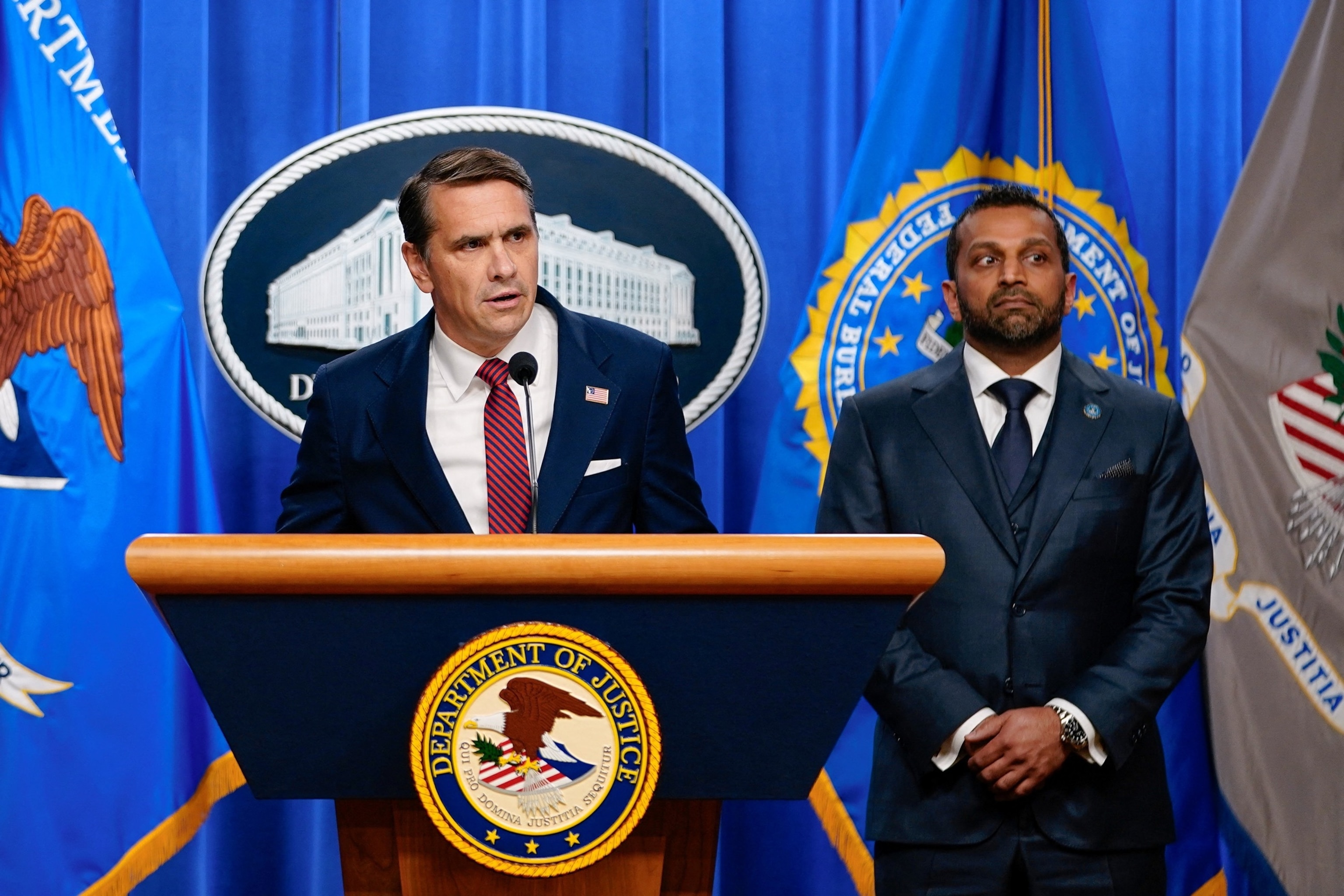
As the legal developments unfold, the response from the Department of Justice remains pivotal in determining whether Comey’s statements warrant prosecution or if they will be viewed through a lens of political rhetoric.
Implications for Political Discourse
This incident has raised significant questions regarding the standards for interpreting threats in a politically charged environment. With the increasing polarization in American politics, some argue that attributing dangerous meanings to ambiguous language might set a precarious precedent.
Conclusion
The discourse surrounding this incident will undoubtedly evolve as both legal and political ramifications continue to unfold. As key players like Trump and Comey engage in the political arena, understanding the implications of language used becomes crucial for both leaders and constituents alike.