A Irony of History: Coins Designed for Protection Become Viking Jewelry
A Rare Find in Denmark Reverses the Intent of Ancient Currency
A Descendant's Dilemma
Poulsbo, Norway - Two rare coins minted in England with an intention to protect the very people from Viking raids have been unearthed in Denmark, where they have been transformed into exquisite jewelry by none other than their intended targets: the Vikings. Experts from the National Museum of Denmark report that these coins shed light on the unexpected cultural interactions during a turbulent time in history.
The Coins’ Journey
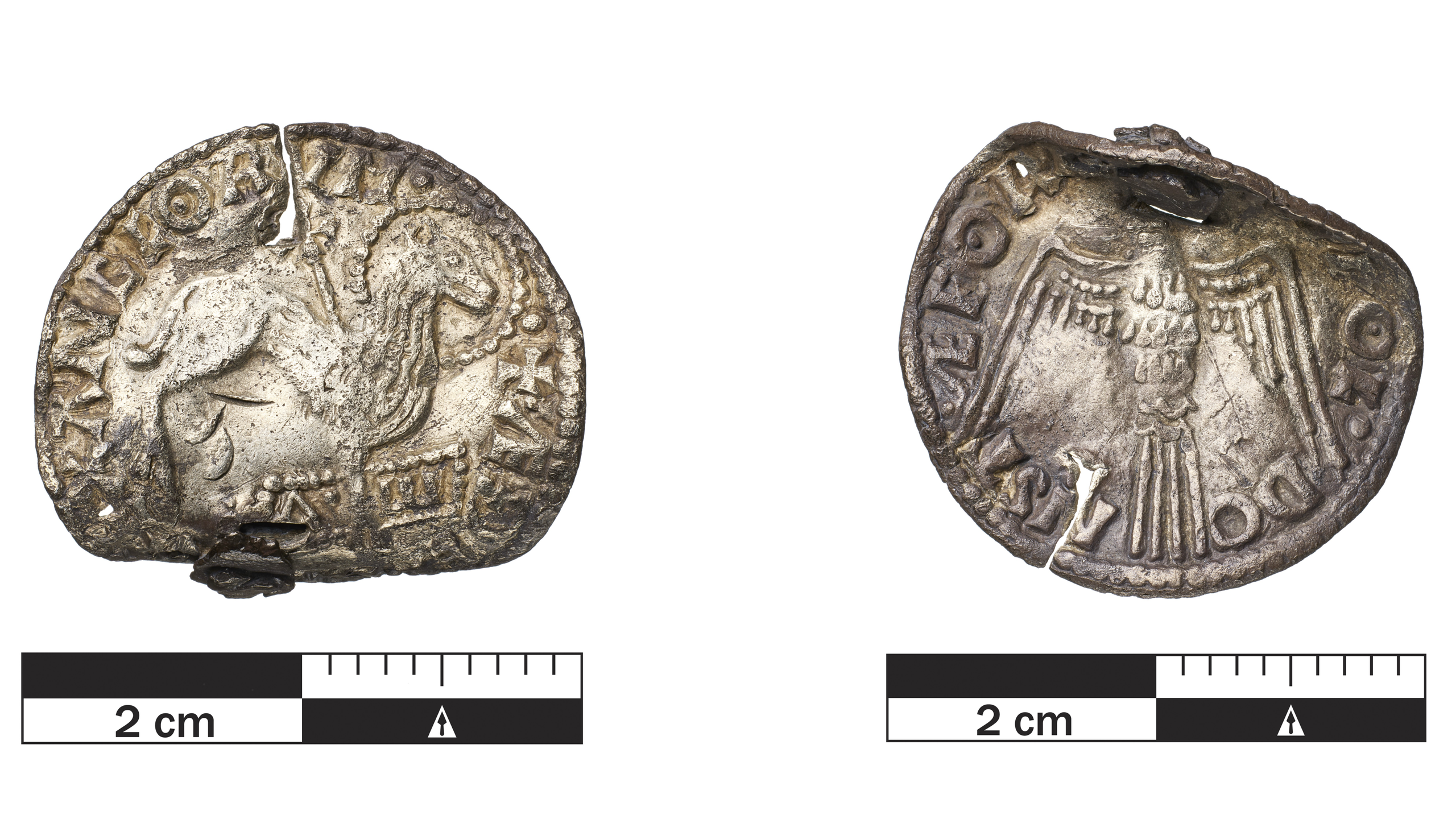
Crafted around 1009 AD under the reign of King Æthelred II, nicknamed “Æthelred the Unready,” these coins feature religious imagery that aimed to evoke divine protection. However, these coins, instead of warding off the Vikings, captivated their aesthetic sense and became part of Viking adornment.

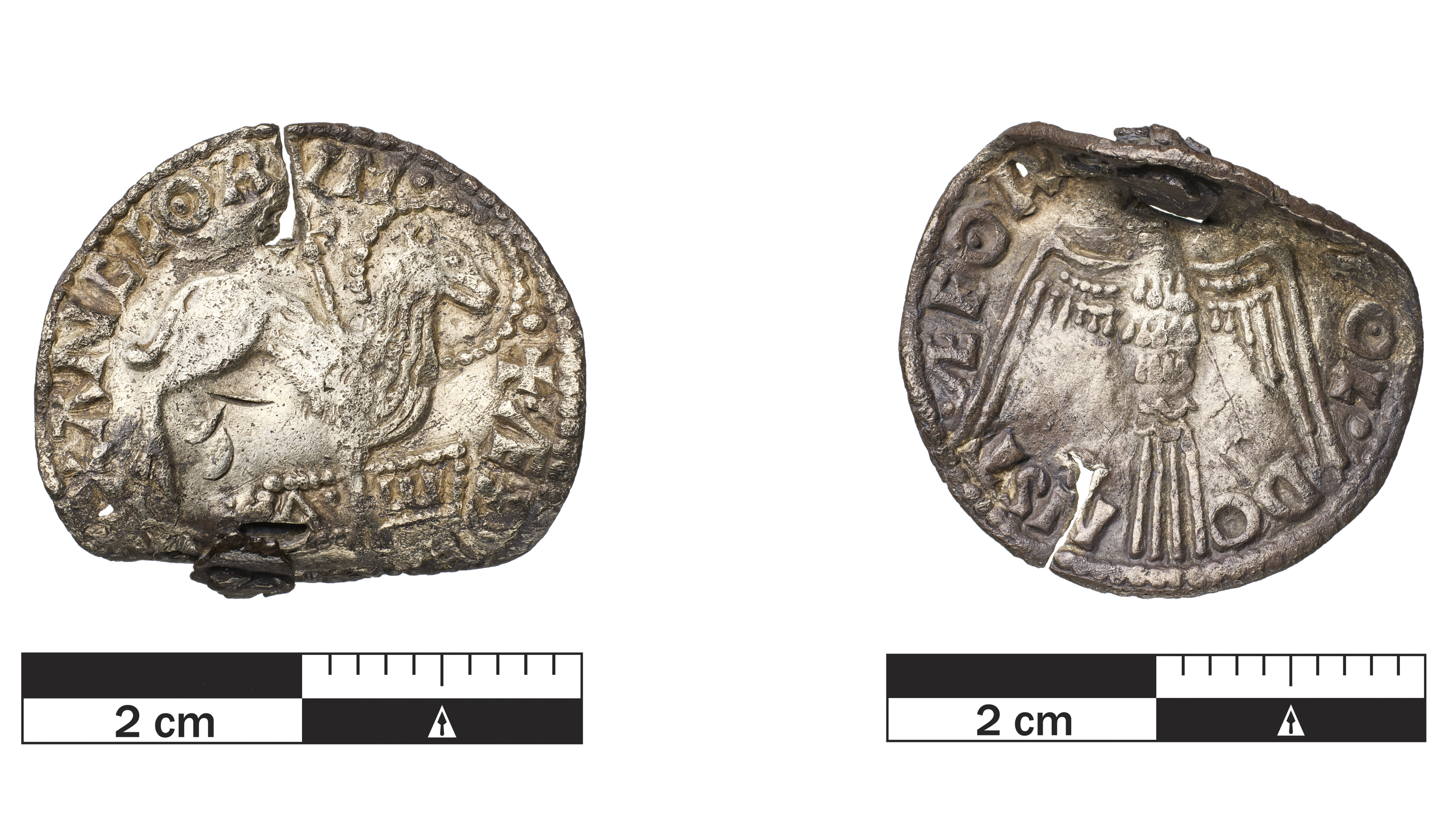
One of the stunning coins showcases a Lamb of God on the obverse, while the reverse displays a delicate dove, both powerful Christian symbols meant to underscore the faith of the Anglo-Saxon populace facing Viking aggression.
A Humorous Twist of Fate
“It gave me goosebumps,” said Gitte Ingvardson, a curator at the National Museum of Denmark, reflecting on the irony of the situation. “These coins were made to obtain protection against the Vikings, but ended up instead as jewelry or amulets worn by Vikings. That is almost tragicomical.”
A Glimpse Into Viking Culture
Archaeological understandings have shifted due to this discovery. Historically, objects such as these were understood in one cultural dichotomy, but the Viking's appreciation for them suggests a much more complex interaction than mere violence. It highlights an intersection of faiths and practices, as the Vikings began to repurpose these items, incorporating them into their own cultural practices.
The Significance of the Find
Experts have referred to this style of coin as Agnus Dei, translating to “Lamb of God.” The symbolism embedded within these coins represents more than just financial value; it connects the legacies of English kings, Danish kings, and the profound shift from Norse paganism to Christianity, which began to take shape around 1066 AD.
Only 30 such “Lamb of God” coins have been discovered globally to date, most unearthed in Scandinavia, leading to speculation that they were predominantly taken as spoils from the English territories. Most coins found bear evidence of having been modified, featuring soldered metal loops for ease of being worn as necklaces or amulets.
The Closing of an Era
The Viking Age drew to a close in 1066 with the Norman Conquest, coinciding with a notable decline in Norse paganism. Archaeologists have previously uncovered over 70 burials dating to the 1100s in a medieval Danish cemetery, suggesting the populace was transitioning to Christianity, though some elements of Norse pagan beliefs may have endured.
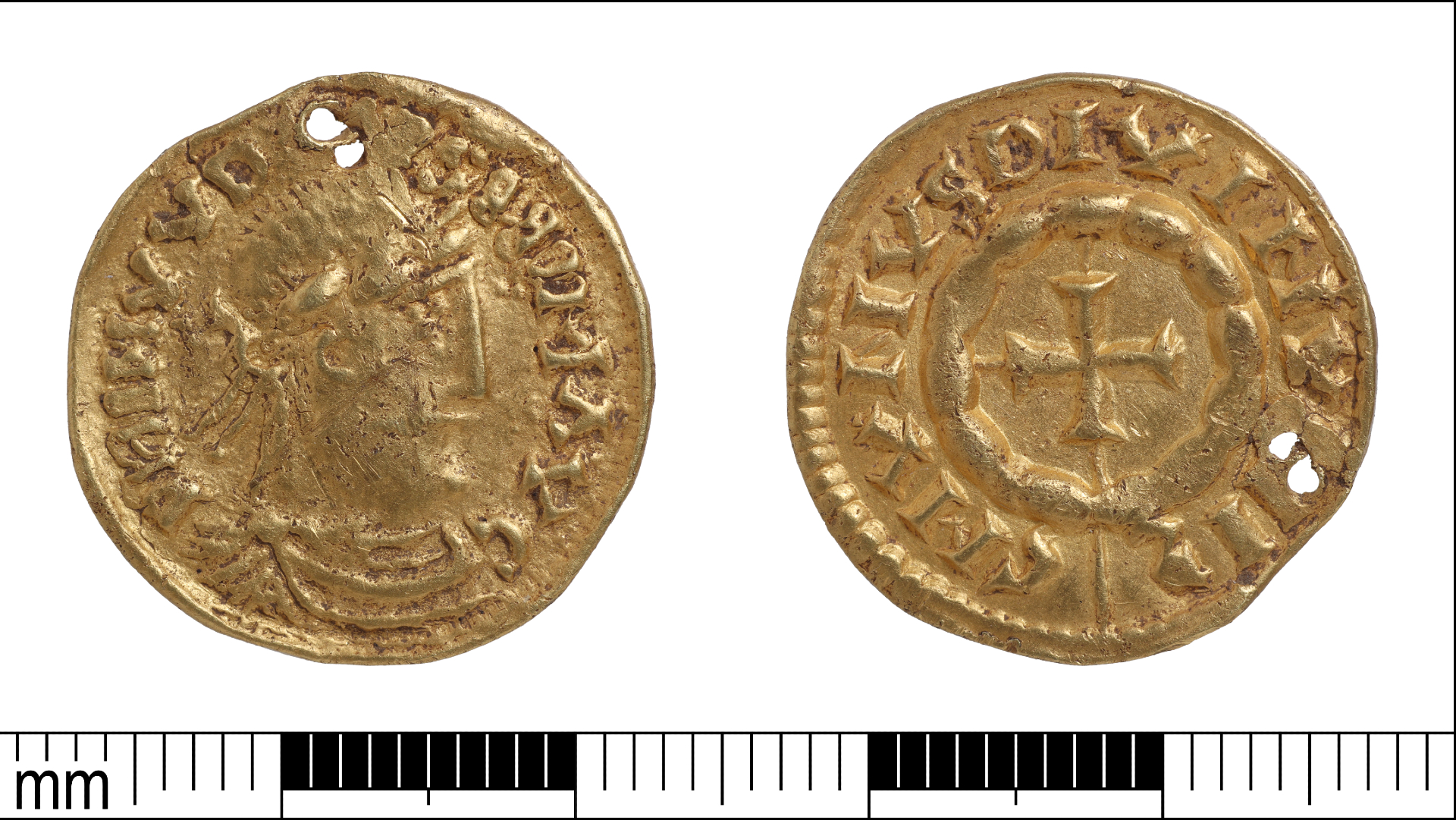
This remarkable finding illustrates the rich tapestry of interactions between cultures during a pivotal period in history, demonstrating that coins, once believed to be instruments of military and religious might, transformed into emblems of personal expression and cultural hybridization as they circulated through Viking hands.