Hantavirus Outbreak Origin Still a Mystery: Medical Experts Address Theories
Epidemiologists Race to Uncover the Origins of a Recent Hantavirus Outbreak Aboard a Cruise Ship
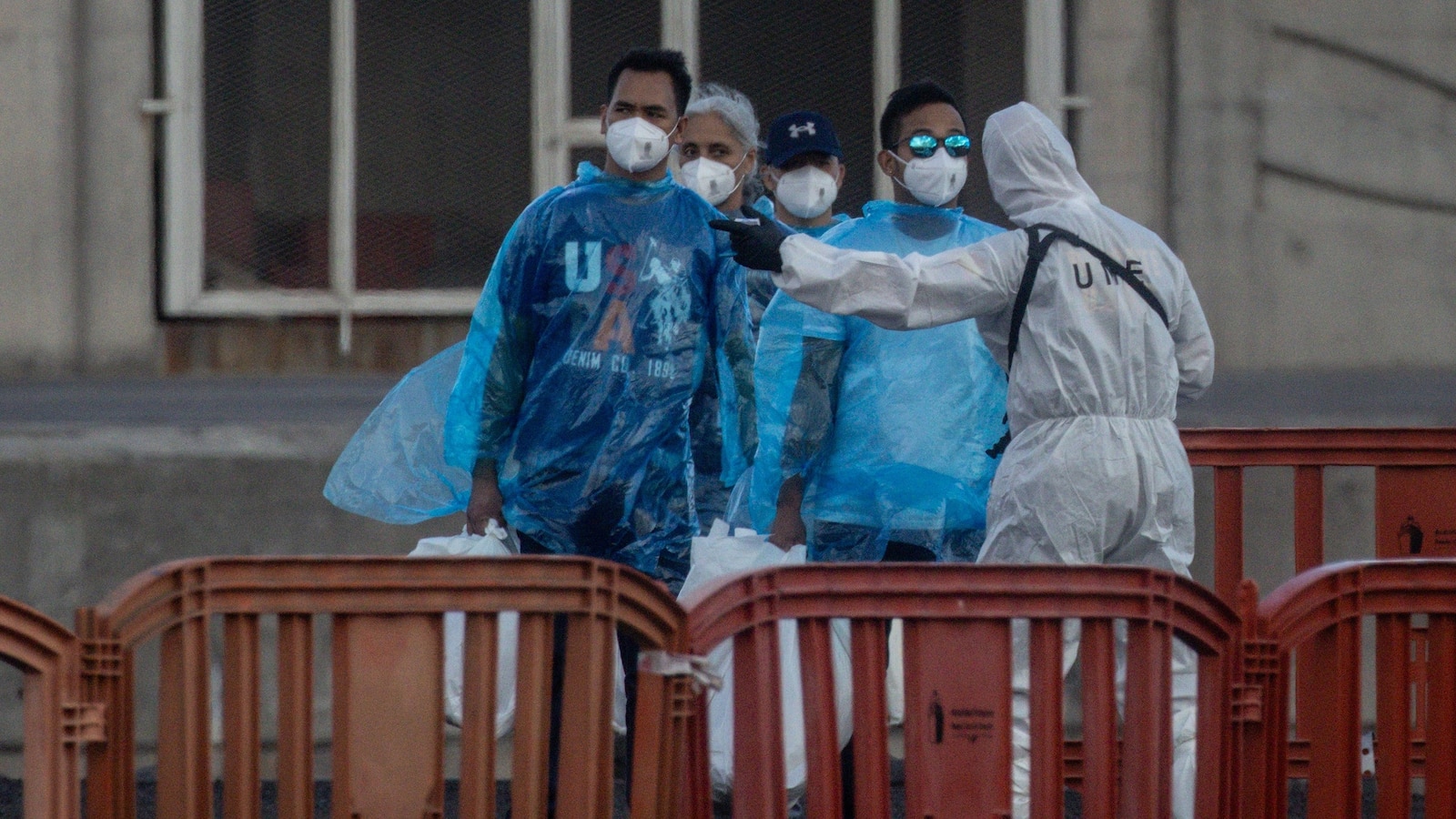
Investigating the Hantavirus Outbreak
As epidemiologists scramble to understand the origin of the recent hantavirus outbreak affecting passengers aboard the cruise ship MV Hondius, a multitude of theories continue to emerge. Notably, medical experts have been ruling out various speculations while stressing the importance of accurate information.
The World Health Organization (WHO) is at the forefront of the investigation, led by Dr. Boris Pavlin, an expert in field and humanitarian epidemiology. In a recent discussion with ABC News, Dr. Pavlin provided insights into the ongoing myths and realities surrounding the outbreak.

Theories Under Scrutiny
Initially, there was speculation that the outbreak might have emerged from a landfill site in Ushuaia, Argentina, where a couple who subsequently tested positive for hantavirus had gone bird-watching. However, health officials have growing evidence that debunks this theory. According to Dr. Omer Awan, a senior public health contributor for Forbes, the Andes strain of the hantavirus specifically requires direct inhalation of particles from infected rodents, primarily in confined spaces, making bird watching an unlikely source of infection.
Dr. Pavlin pointed out that the true origin seems to be in the Andes Cordillera region, which spans northern Argentina and Chile, where the long-tailed rice rat is prevalent.

Tracing the Infection
Passengers evacuated from the MV Hondius had reportedly traveled to the Andes region before boarding the cruise. This adds credence to Dr. Pavlin's assertion that the virus likely originated from rodent exposure in that specific region.
As the WHO continues its investigation, they are focusing on compiling concrete data surrounding the cases reported aboard the ship. Dr. Pavlin emphasized that while deciphering the exact point of exposure remains challenging, it is critical to contain the spread of the virus first and foremost.

A Broader Public Health Conversation
As more than 100 hantavirus cases and 30+ fatalities have been recorded in Argentina this year alone, it’s apparent that public health officials must prioritize strategies for containment above all else. Dr. Awan further highlighted the urgent need for public health measures as epidemiologists collaborate to gather further insights into the virus's path of transmission.
Such outbreaks underscore the necessity for vigilance in public health, incorporating lessons learned from previous epidemics.
While answers to the origins of the hantavirus may not be immediately available, the ongoing efforts by scientists and health officials epitomize the collective commitment to understanding and mitigating this public health challenge.