Mistrial Declared in Harvey Weinstein’s Rape Retrial: A Reflection on a Changed Landscape
As Harvey Weinstein faces ongoing legal challenges, the implications of a deadlocked jury reverberate through the #MeToo movement.
Contextualizing the Mistrial
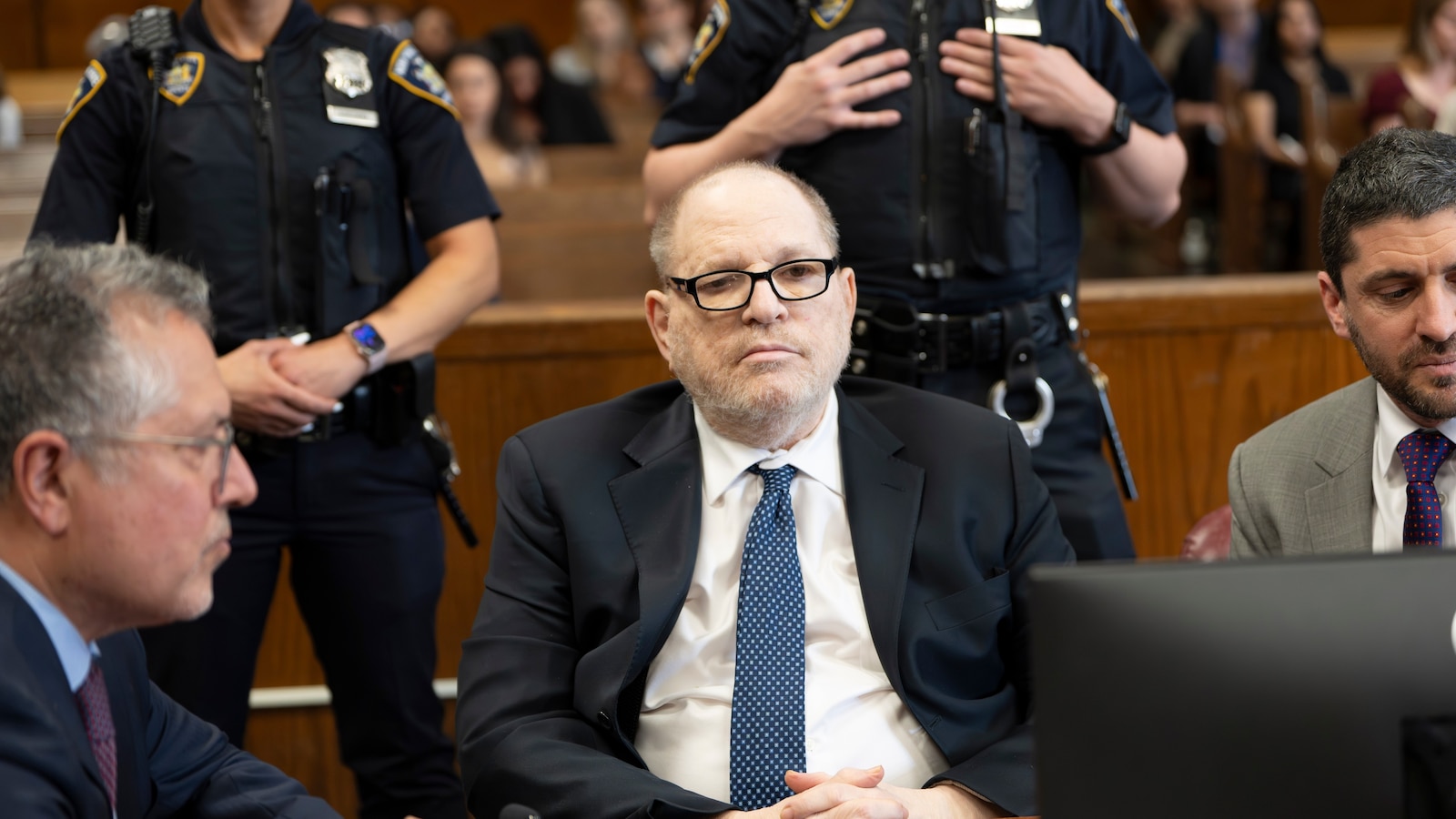
Harvey Weinstein, once a powerhouse in Hollywood, has found himself at the center of multiple sexual assault allegations that sparked the #MeToo movement. On May 15, 2026, his rape retrial concluded in a mistrial after the jury was unable to reach a unanimous verdict, leaving critical questions unanswered regarding consent and accountability.
In a courtroom in Manhattan, a jury comprised primarily of men wrestled with allegations made by Jessica Mann, a hairstylist and actor. The jury's inability to decide underscores the complex dynamics of sexual assault cases, especially amidst shifting societal attitudes toward consent.
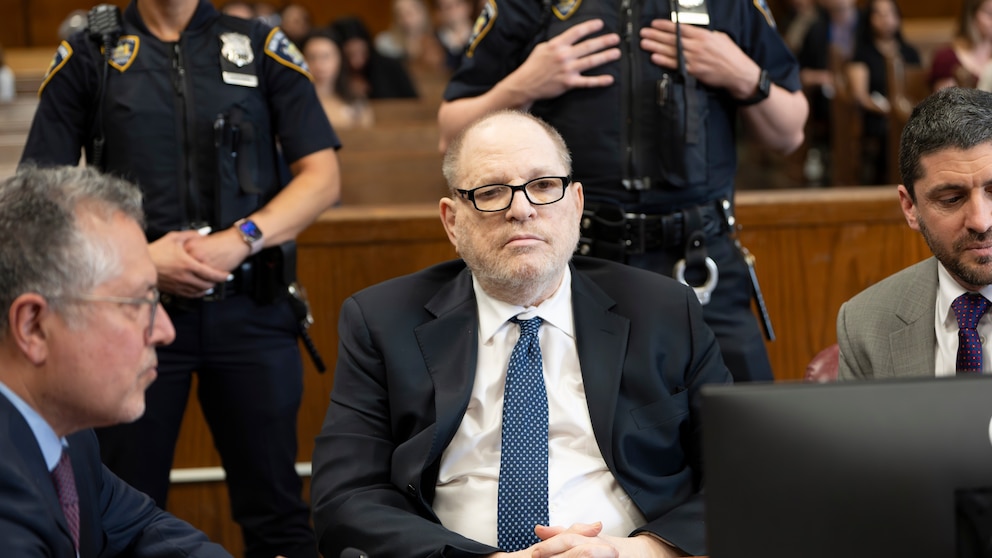
This latest trial was the third attempt to adjudicate allegations against the former mogul, illustrating the challenges within the judicial system to reach conclusiveness in such sensitive cases. Previous trials faced setbacks, including the overturning of one conviction due to appellate court interventions.
Understanding the Jury's Dilemma
During the deliberations, the jury communicated their struggles to achieve a consensus. Their note indicated that they were at a standstill, prompting Judge Curtis Farber to encourage further discussions. This standard judicial response is meant to coax jurors towards a resolution, but, in this instance, the effort was futile.
Weinstein's defense argued that Mann's interactions with him were consensual, yet Mann testified that the encounter in 2013 involved coercion, as she repeatedly refused his advances. This case has ignited discussions about the nature of consent, particularly in relationships marked by power imbalances.

The Broader Implications
The ramifications of this mistrial extend beyond the courtroom, resonating deeply within the #MeToo movement. Weinstein has been at the forefront of numerous sexual misconduct cases that captured national attention, setting a precedent for how allegations are viewed and handled.
As Weinstein's legal battles continue, the court's decision to declare a mistrial underscores the ongoing societal struggle to reconcile historical norms regarding sexual relationships with new understandings of consent and respect.
Looking Ahead
Weinstein's journey through the legal system remains uncertain, and the mistrial leaves significant questions about the future of his rape charges. The complexities inherent in the case prompt a need for a societal shift in how sexual assault cases are approached, particularly by juries who must navigate the nuanced realities of such accusations.
This case is not just about one man’s guilt or innocence; it reflects a cultural reckoning that confronts long-held beliefs and values. Whether this mistrial will lead to a renewed dialogue about accountability and justice for survivors remains to be seen, but the eyes of the nation will undoubtedly remain focused on this landmark case.