Cuba Grid Collapse: A Tipping Point in the Energy Crisis
As Cuba faces dire energy shortages, the implications extend far beyond its borders.
A Crippling Energy Crisis
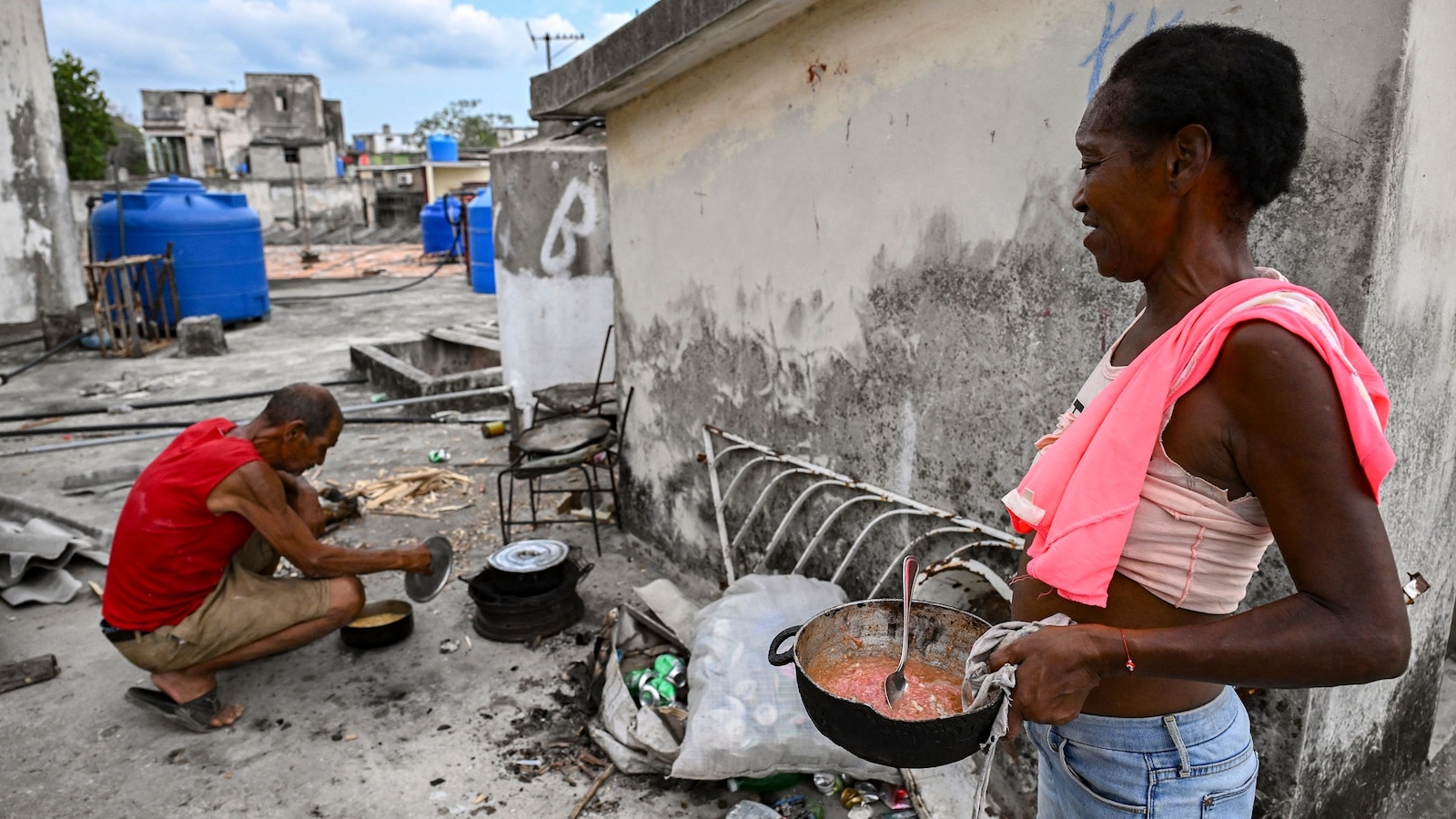
In May 2026, the situation in Cuba escalated to unprecedented levels of crisis as the island grappled with diminishing oil supplies crucial for sustaining everyday life. Experts in U.S.-Cuban relations have described the state of affairs as 'growing more dire by the day.'
On May 13, the U.S. embassy in Cuba released a security alert marking an alarming instability in the national electrical grid, stating that prolonged power outages had become a frequent and disruptive aspect of daily life. This includes both scheduled and unscheduled blackouts, dramatically affecting water supply, lighting, refrigeration, and communication systems across the island, including the capital city, Havana.
Blackouts have become the new normal, with reports indicating that some outages have lasted over 20 hours, creating an urgent crisis — one recognized even within the highest echelons of the Cuban government. Cuban Minister of Energy and Mines, Vicente de la O Levy, publicly announced, 'We have absolutely no fuel; we have absolutely no diesel.'
The Catalyst of the Crisis
This energy emergency can be traced back to January 3, when a significant shift occurred: the U.S. government captured Venezuelan President Nicolas Maduro, which led to an abrupt stop in oil shipments from Venezuela to Cuba. For context, Venezuela had been supplying approximately 20% of Cuba's energy needs. According to William M. LeoGrande, a professor specializing in U.S.-Cuban relations, the shortage has created a profound impact on Cuban life, given that Cuba depends on imports for the vast majority of its oil.
An analysis indicates that Cuba's total oil consumption stands at around 112,423 barrels per day, with Venezuela previously accounting for about 26,500 barrels daily. The sudden loss of such a critical resource represents no small blow for the island, which struggles to produce only 40% of its oil needs domestically. In fact, Cuban-made heavy oil is not only insufficient but also problematic, as it has high sulfur content that damages the existing infrastructure and thereby exacerbates grid failures.
Electricity Generation: A Troubling Overview
Approximately 80% of Cuba's electricity is generated from oil-burning plants, while 20% of energy is derived from renewable sources, including an emerging array of solar energy systems. The increased reliance on a continuously depleting resource combined with poor infrastructure has led to an inevitable downward spiral in generating consistent electricity.
The impending challenges worsened on January 29 when U.S. President Donald Trump signed an executive order declaring Cuba a national security emergency, thereby signaling an aggressive stance toward any nation aiding in the island's energy crisis. This move served to deter suppliers from engaging in oil trade with Cuba, muddling the crisis even further.

The Road Ahead: Uncertain Futures
The ramifications of Cuba's energy crisis extend beyond humanitarian concerns. The U.S. has sought to exert pressure on Cuba by offering a $100 million aid package through diplomatic channels, yet internal strife continues to mount. The regime's accusation of foreign adversaries, from Russia to Iran, adds layers of complexity to a situation that appears to be spiraling out of control.
As international observers continue to analyze these developments, the central question remains: Can Cuba recover from this energy debacle? With its grid already on the brink of collapse and external pressures mounting, the path ahead is painted in shades of uncertainty.