A Greener Future: Exploring the LIRR Strike and its Implications for Commuters and Transportation
Understanding the impact of the LIRR strike and envisioning a future of sustainable public transit solutions.
Contextualizing the LIRR Strike
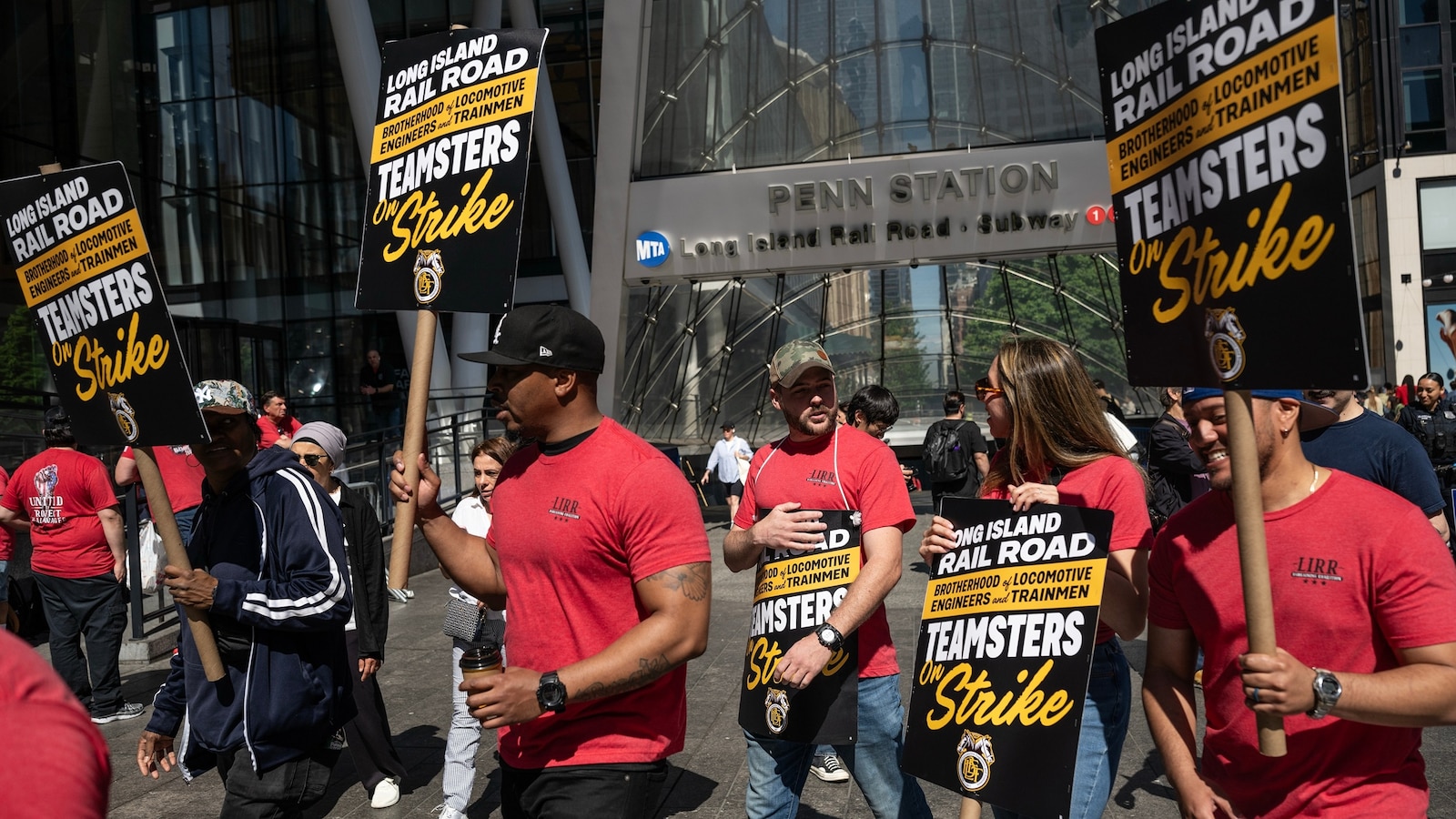
For the first time in 32 years, tens of thousands of New Yorkers are bracing to begin the workweek without the Long Island Rail Road (LIRR), after workers at the busiest commuter railroad in North America went on strike over the weekend. More than 300,000 daily commuters rely on the LIRR to get from Long Island to New York City.
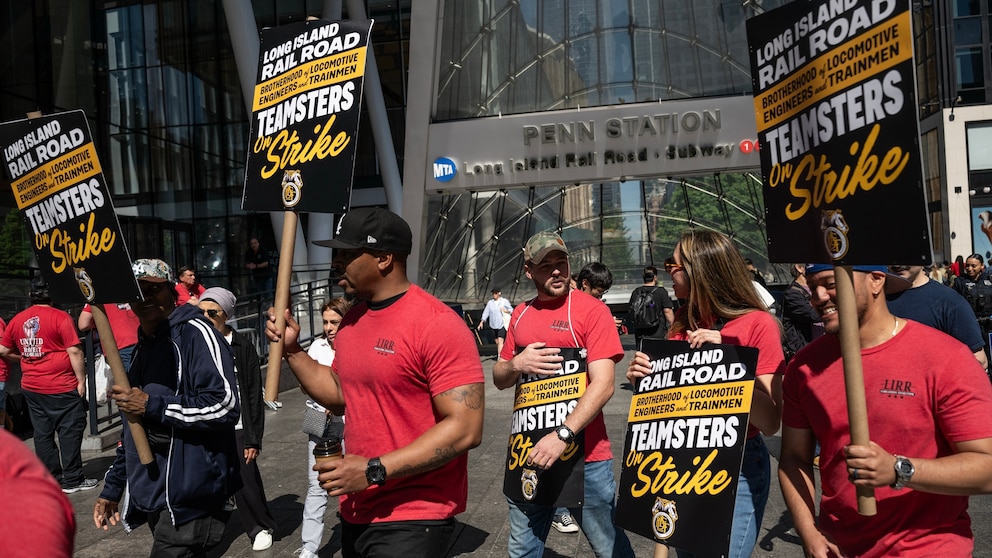
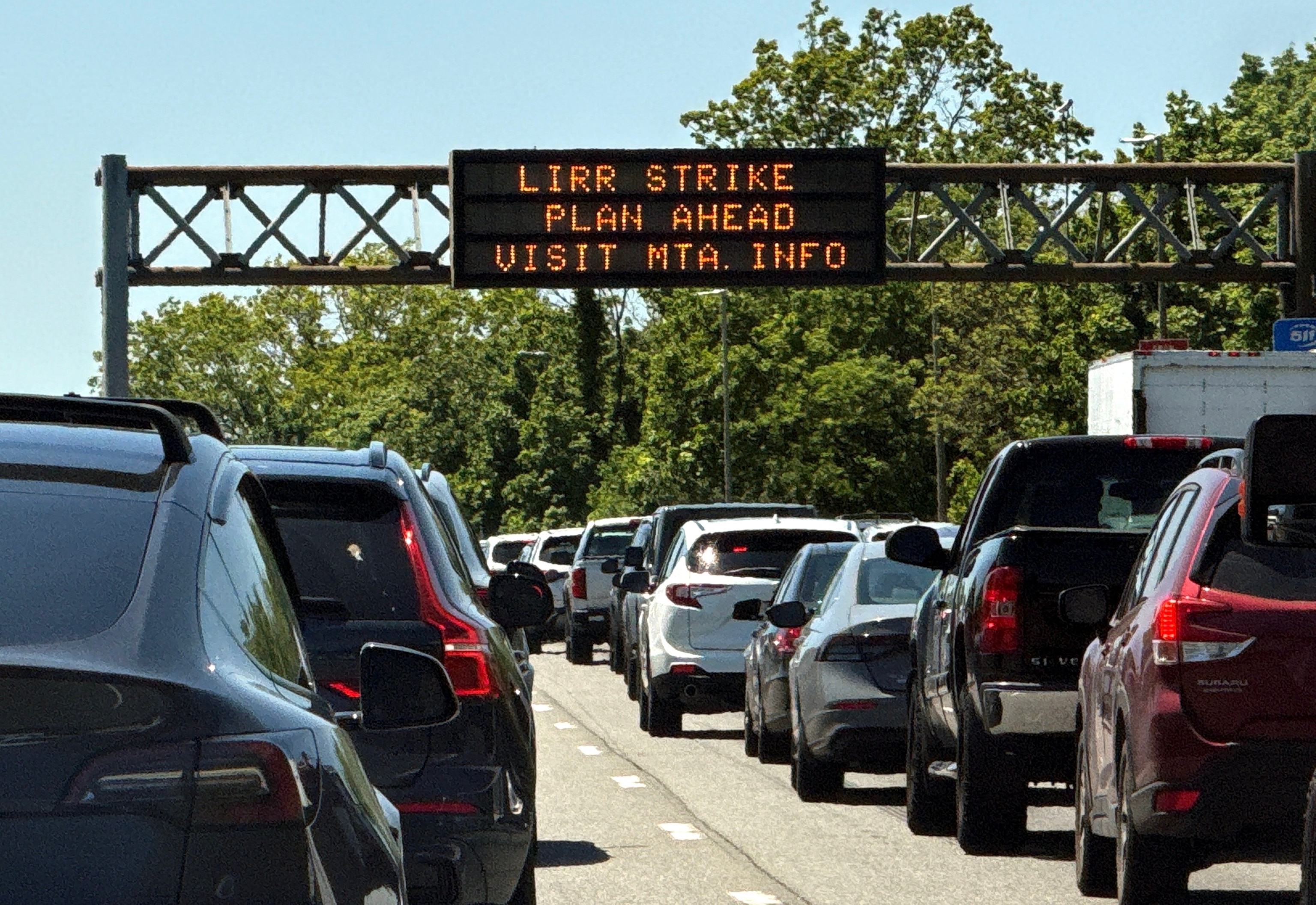
State and local officials scrambled to implement contingency plans, warning commuters to expect crowded buses and subways on Monday. Queens Borough President Donovan Richards expressed concern about congestion, stating, "That’s not enough when our buses are overcrowded," referring to the shuttle bus plan aimed at aiding essential workers.
The Union's Standpoint
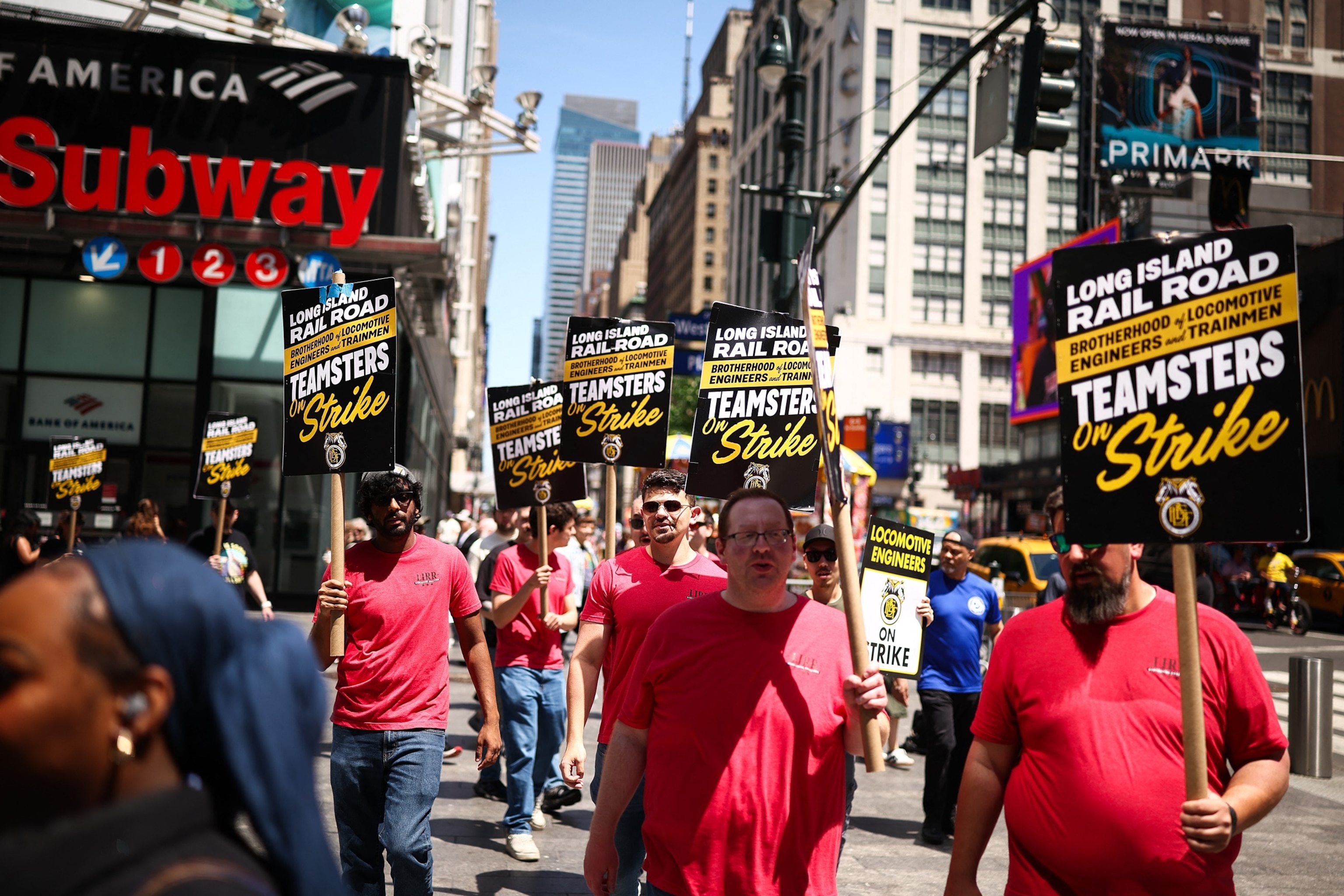
The strike was precipitated by a failure between the union representing thousands of rail workers and the Metropolitan Transportation Authority (MTA) to reach an agreement regarding salary increases and healthcare costs before the negotiation deadline.
Kevin Sexton, the national vice president of the Brotherhood of Locomotive Engineers and Trainmen (BLET), emphasized the unions' stance: "We are far apart at this point, and we feel it’s unnecessary because we went through the process.” This indicates a deep-rooted frustration among workers who feel their needs were disregarded in the negotiations.
The Wider Impact
As MTA CEO Janno Leiber pointed out, the financial demands from the unions would potentially require riders to absorb costs that could affect the overall MTA budget. He stated that ongoing negotiations would have provided a pathway forward, but communication appears to have faltered at a critical juncture.
Envisioning Future Solutions
In light of this disruption, the question arises: what does the future hold for sustainable public transit solutions?
Innovations such as electric buses, improved cycling infrastructure, and enhanced ridesharing options could pave the way for more dependable transportation alternatives. Moreover, cities can invest in better integration of various transit modes to reduce reliance on single-occupancy vehicles.
Conclusion: A Call for Improvements
The LIRR strike serves as a potent reminder of the importance of addressing worker needs, ensuring adequate funding for public transit, and even reimagining the transport landscape to prioritize sustainability.
While projected challenges loom heavy over transit in New York City, they also present an opportunity for growth and advocacy for a greener, more efficient future.