Acting AG Todd Blanche Faces Questions on $1.7 Billion 'Anti-Weaponization Fund'
Fund aims to compensate individuals alleging wrongful targeting under the Biden administration amidst bipartisan concerns.
Context and Overview
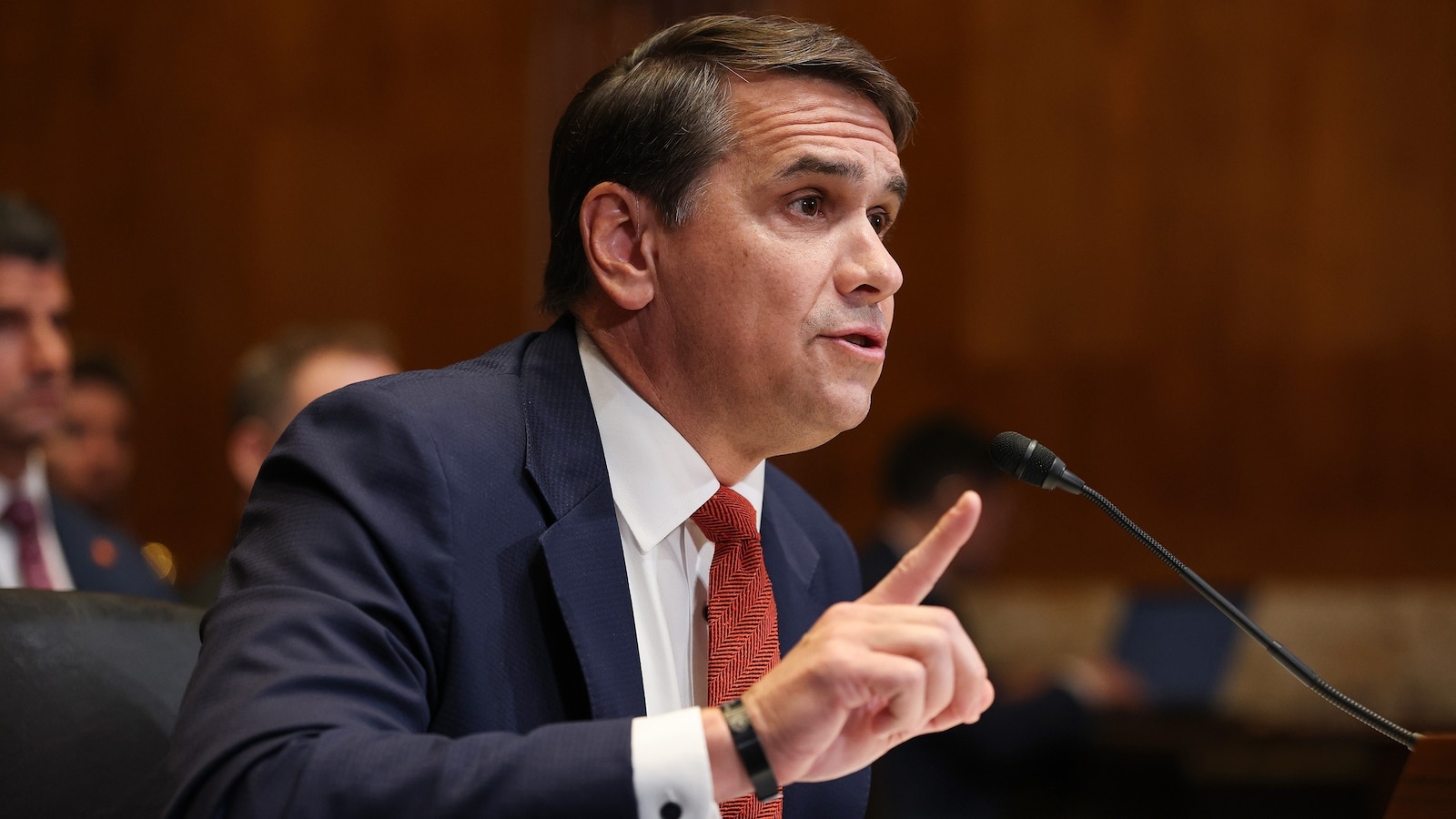
Acting U.S. Attorney General Todd Blanche found himself under scrutiny during a Senate Committee on Appropriations hearing, where he discussed the newly established $1.776 billion "Anti-Weaponization Fund". This initiative, aimed at assisting individuals who claim they have been wrongfully targeted during the Biden administration, is part of a broader narrative surrounding political polarization and justice reform.
Background of the Fund
The fund emerged following President Donald Trump’s significant $10 billion lawsuit against the Internal Revenue Service (IRS). Announced earlier this week, it seeks to address alleged injustices suffered by various individuals, including potential payouts to those involved in the contentious events surrounding the January 6 Capitol riots.
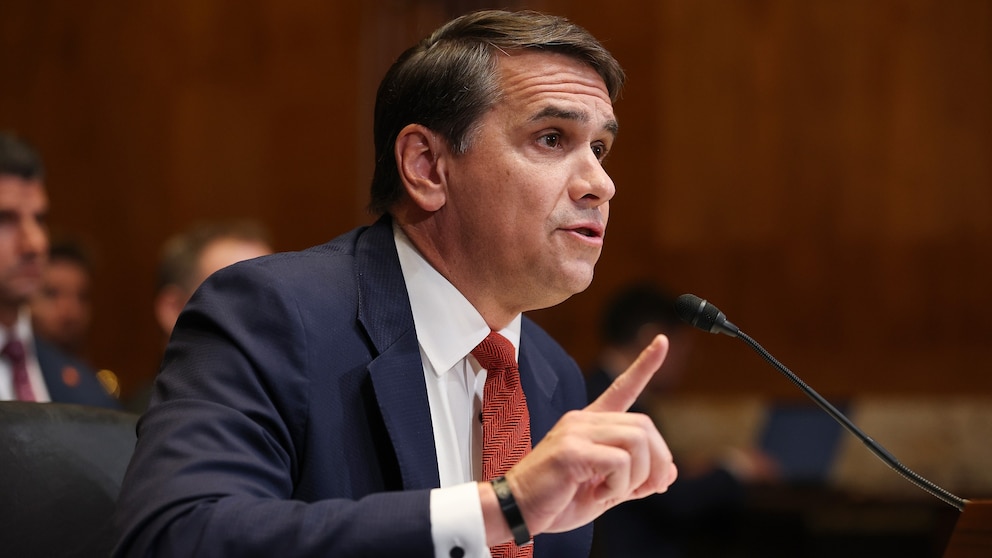
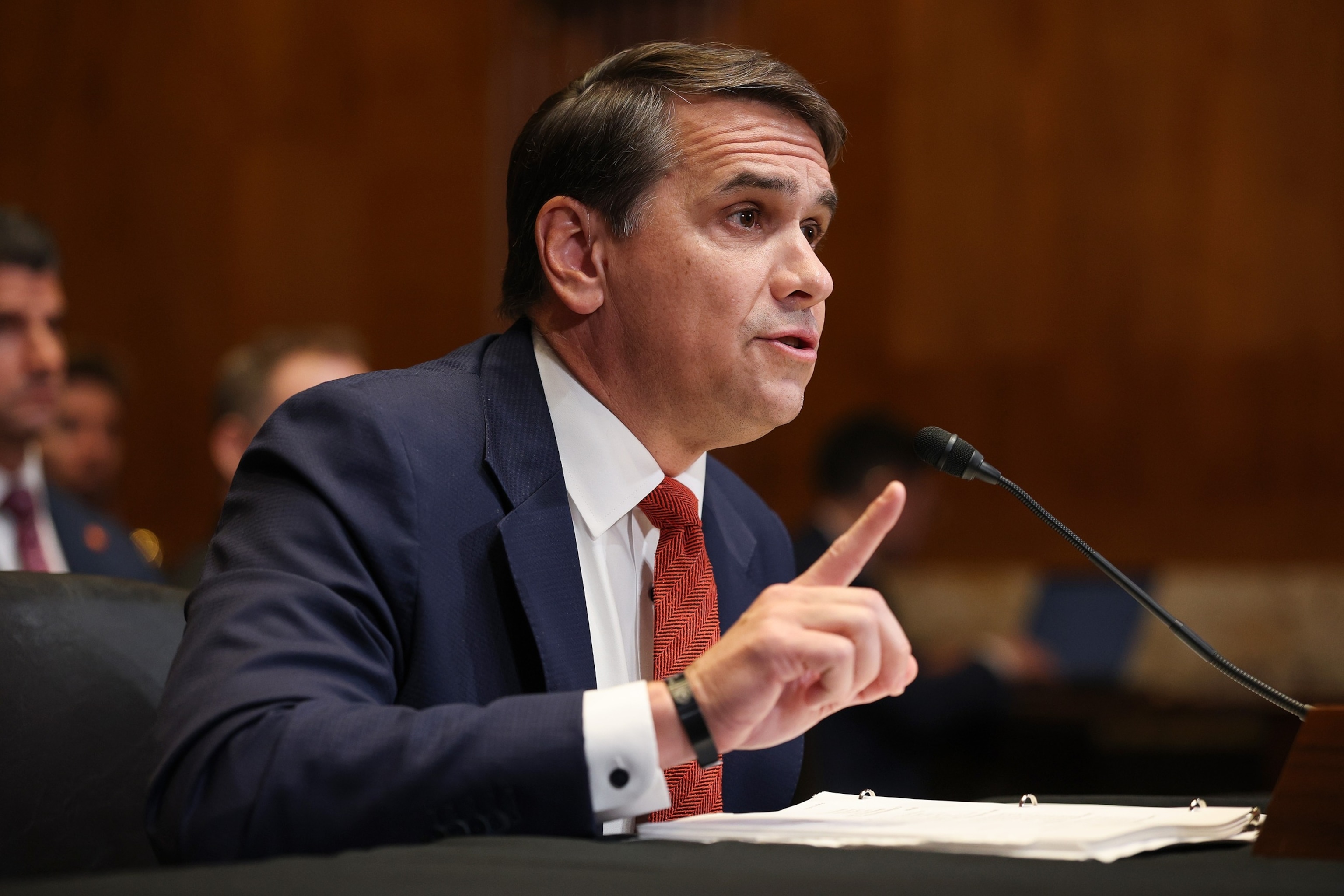
Blanche's appearance marked his first formal testimony before lawmakers since his appointment, stepping into a controversial and high-stakes environment. The fund's announcement has ignited debate across political lines, raising ethical questions regarding its potential beneficiaries.
Bipartisan Concerns and Reactions
Members of Congress from both parties expressed skepticism about the fund's implementation and execution. Critics, including Senate Majority Leader John Thune, voiced their confusion about the specific applications of the fund. "I am not a big fan of the fund," he remarked, highlighting his concerns regarding its ambiguous purpose and distribution criteria.
Blanche defended the initiative by drawing parallels to an Obama-era program that facilitated claims by Native Americans. However, this comparison was met with criticism from Democratic Senator Chris Van Hollen, who noted the absence of judicial oversight for the current fund, unlike the earlier initiative.
Eligibility and Legal Implications
As the proceedings unfolded, Blanche was pressed on critical issues such as whether individuals found guilty of assaulting law enforcement would qualify for compensation. He remarked, "Anyone in this country is eligible to apply if they believe they are a victim of weaponization," indicating that the fund lacks predefined exclusions.
When questioned specifically on the eligibility of groups like the Oath Keepers and Proud Boys, Blanche reiterated that the decision would be left to the commissioners managing the fund. This response has raised alarms about the potential implications of rewarding individuals involved in violent acts during the January 6 insurrection.

Future Outlook
The "Anti-Weaponization Fund" symbolizes a pivotal moment in U.S. political discourse, intertwining themes of justice, accountability, and governmental transparency. As legislative discussions continue, the fund's future remains uncertain, especially amid calls for stricter eligibility requirements and comprehensive oversight.
As the American public watches closely, it becomes increasingly clear that this initiative could have significant ramifications on both political trust and the integrity of the judicial process in the future.