Nereid: A Unique window into Neptune's Ancient History
A New Study by the James Webb Space Telescope Transforms Our Understanding of Neptune's Moons
A Revelatory Discovery
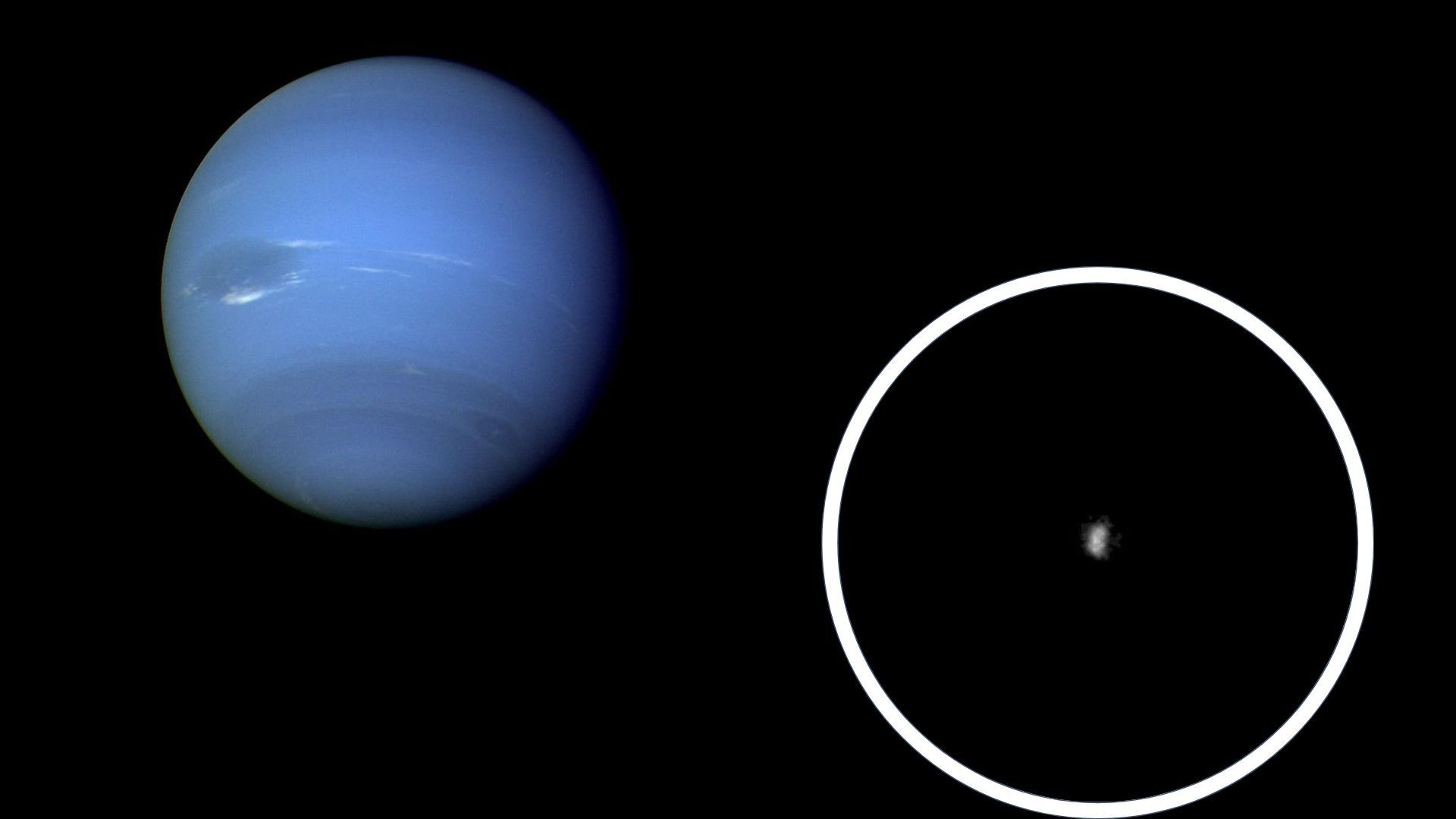
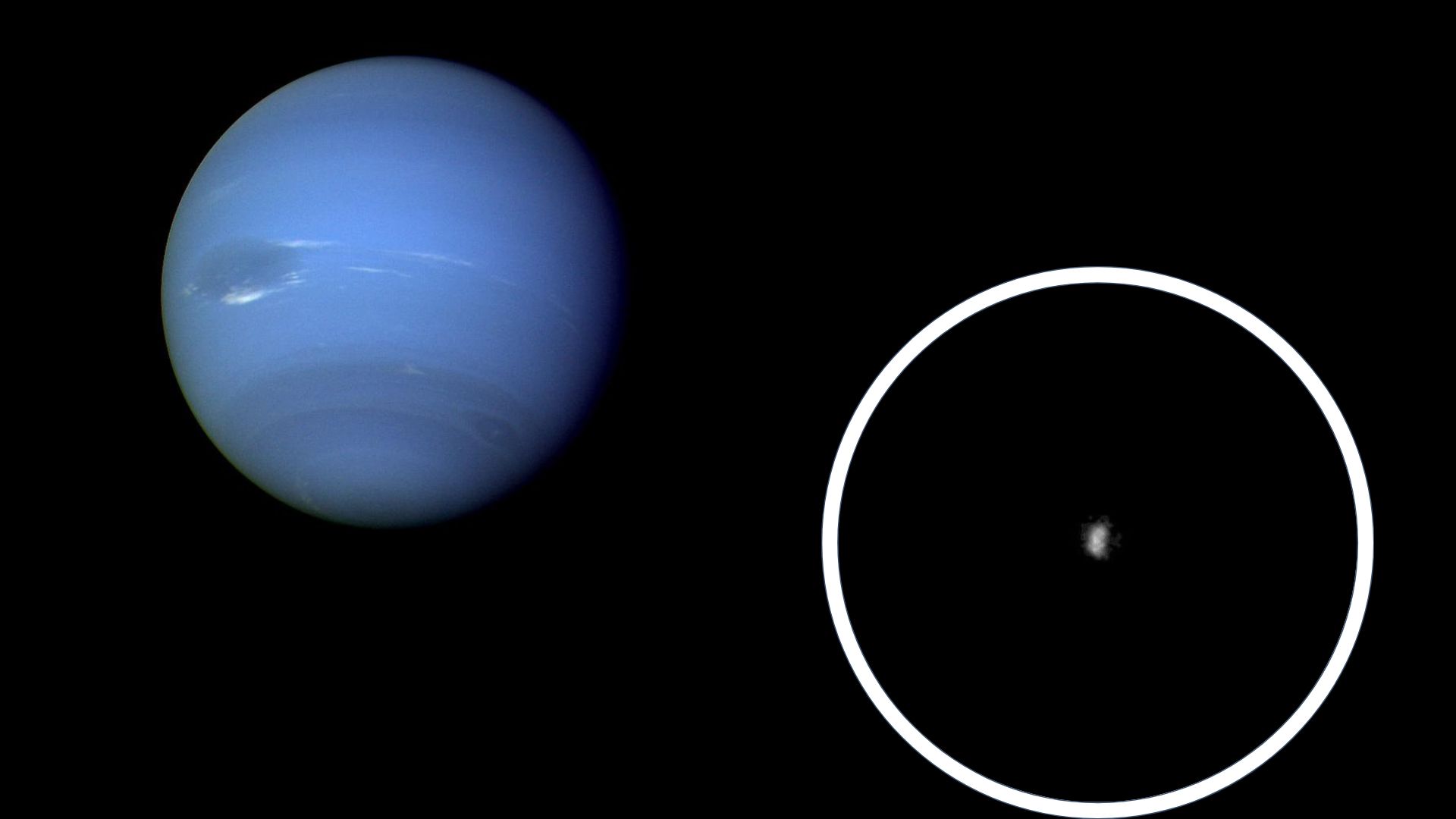
Recent observations made by the James Webb Space Telescope (JWST) have unveiled groundbreaking insights into Neptune and its moons. Specifically, the study highlights Nereid, Neptune's third-largest moon, which may be the only surviving remnant from the planet's formation period approximately 4.5 billion years ago. This revelation challenges long-standing assumptions regarding the moon's origin and the formation history of the solar system.

The Historical Context of Nereid
Nereid was discovered in 1949, and for decades, it was believed to have been captured by Neptune from the Kuiper Belt — a vast region of icy bodies beyond Neptune. This understanding was derived from the moon’s highly elliptical orbit, suggesting a capture scenario that contrasted with the more stable orbits of Neptune's other moons.
However, a recent study led by Matthew Belyakov, a graduate student in planetary science at Caltech, presents a new narrative. According to Belyakov, the findings from JWST indicate that Nereid’s composition bears significant differences from known Kuiper Belt objects, featuring a high concentration of water ice that further supports the hypothesis that it is a primordial moon.
Implications of the Study
The implications of this study extend beyond the curiosities of Nereid. If Nereid is indeed a remnant moon, it may offer invaluable insights into the early conditions of the solar system and the processes that shaped it. By understanding the remnants of Neptune's moon system, scientists can infer how similar gas giants like Uranus might have formed their moons.
Belyakov emphasized the importance of these findings, stating, "If we don't understand how moons around Uranus and Neptune form, that’s a really big problem." As planets of this size are among the most common within the universe, studying their moon formation is essential for comprehending planetary system evolution on a broader scale.
Current Research Focus
Moving forward, Belyakov's team seeks to refine their observations of Nereid using higher resolution capabilities of JWST's Near-Infrared Spectrograph (NIRSpec). This would enable them to delve deeper into the moon's characteristics and reinforce their theory about its origin.
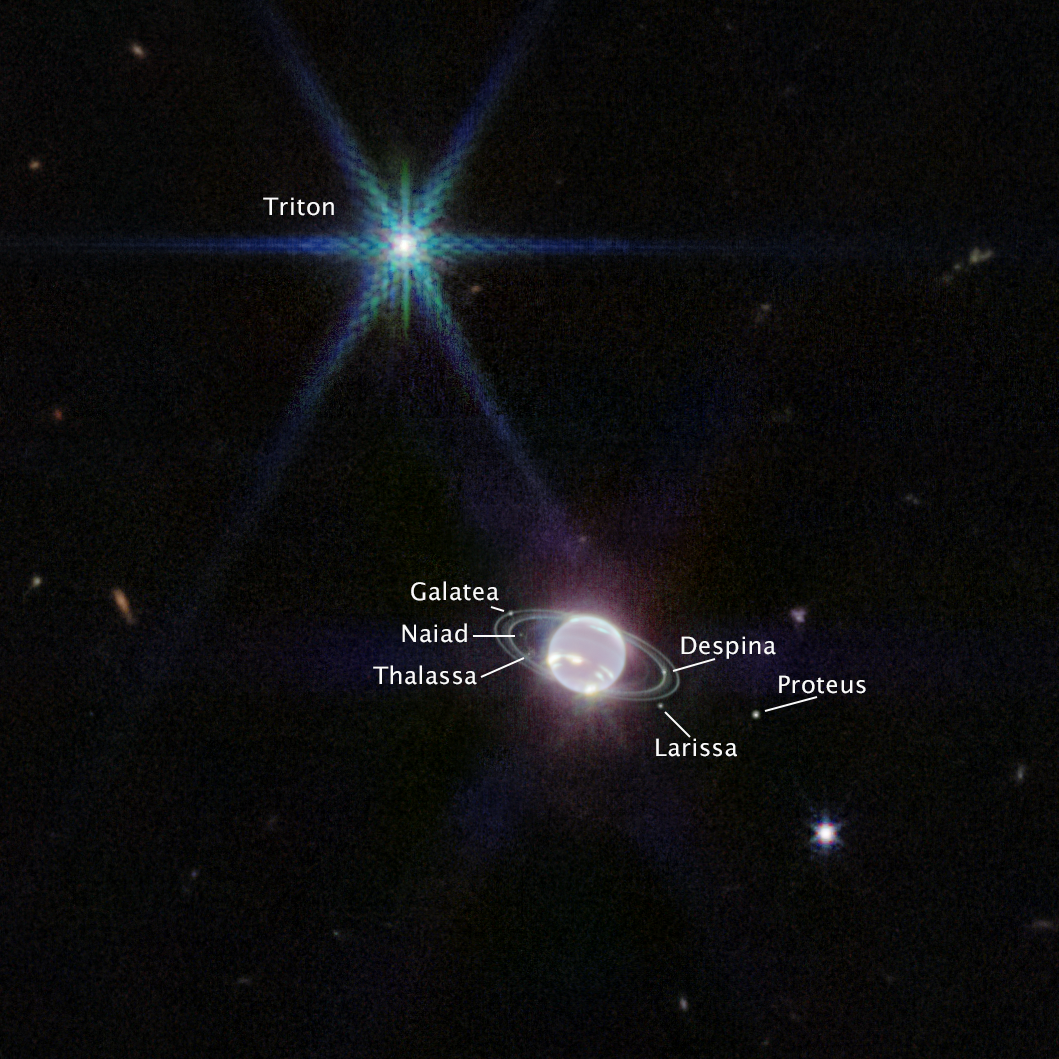
Importantly, the study emphasizes how Triton, Neptune’s largest moon, with its retrograde orbit, radically altered the dynamics of Neptune’s moons upon its capture. This disruption likely led to the loss of many original moons, making Nereid a particularly crucial subject for ongoing research.
Looking Toward the Future
As astronomers continue to explore the complexities of Neptune's moon system, Nereid’s peculiarities may serve as a key to understanding not just Neptune, but also the broader narrative of planetary evolution throughout the solar system. Although Neptune and Uranus present significant challenges due to their unique histories, findings like these provide a glimpse into the enigmatic processes that govern the formation of moons.
In conclusion, Nereid stands as a potential window into the past, offering insights that may forever change our understanding of the solar system’s history and the mechanisms by which celestial bodies develop over eons.