IAEA Emphasizes Nuclear Safety Amid Allegations of Drone Attack on Zaporizhzhia Plant
Tensions escalate as accusations of military actions surround the Russian-occupied nuclear facility in Ukraine.
Contextualizing the Incident
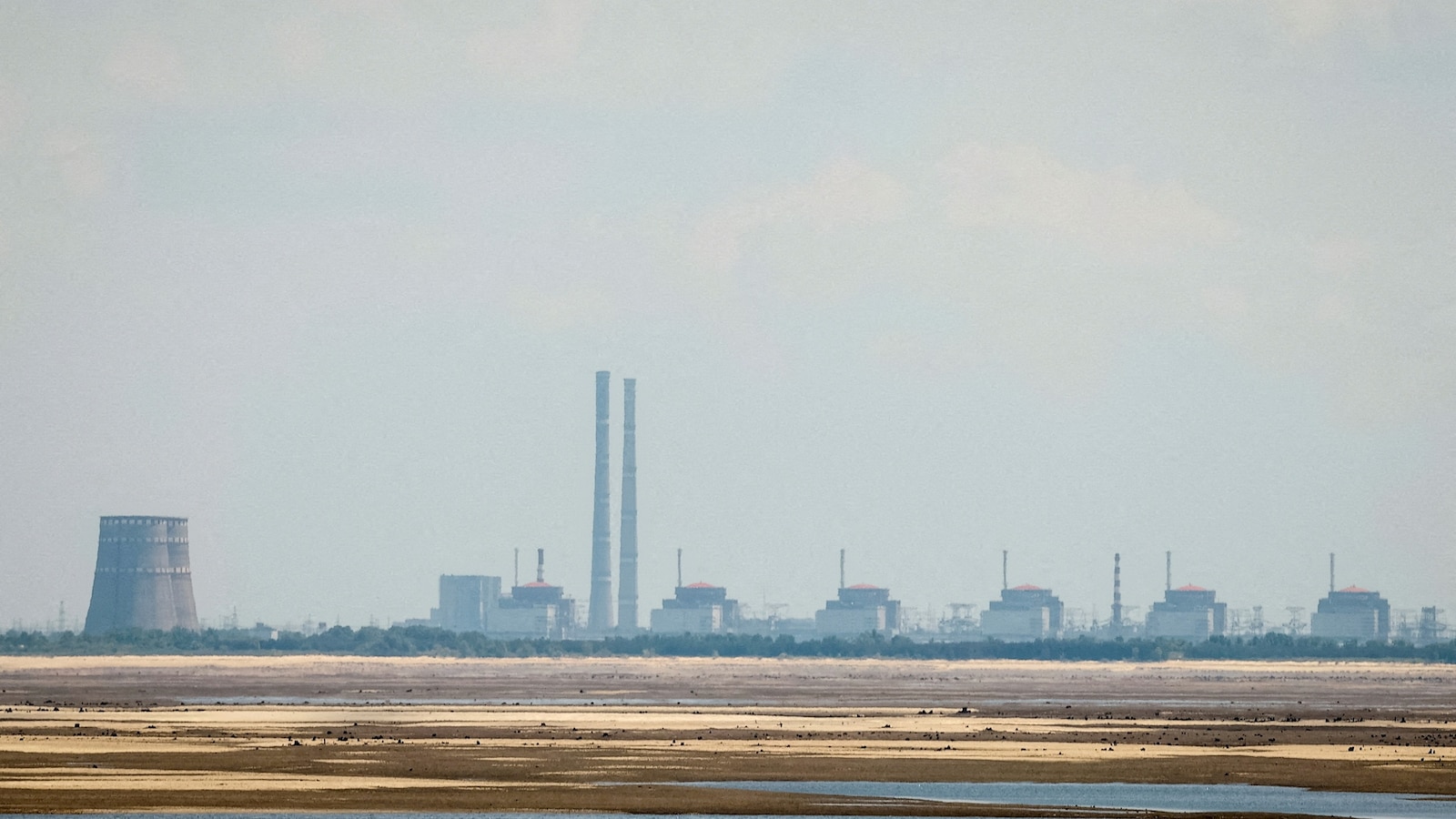
On a recent Saturday, the Director General of the International Atomic Energy Agency (IAEA) communicated profound concern regarding reports of a drone attack on the Zaporizhzhia Nuclear Power Plant (ZNPP). This incident has drawn international attention, especially as it marks the first attack within the plant's perimeter since April 2024. The allegations, made by Moscow, indicate that Ukrainian forces executed the drone strike. However, Ukrainian officials have vigorously denied these claims, leading to a complex geopolitical narrative that raises alarms about nuclear safety in a time of conflict.
The Nuclear Facility’s Vulnerability
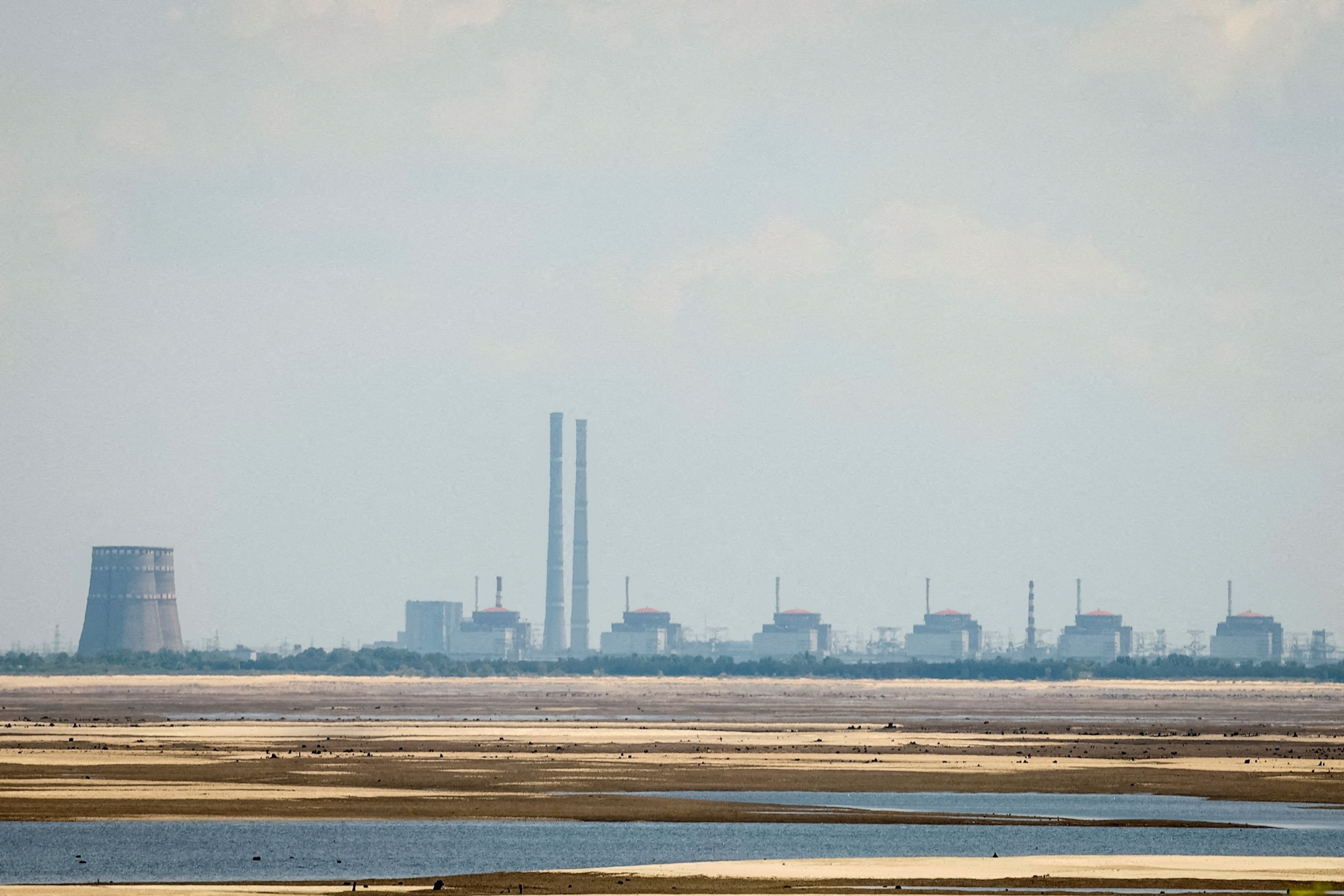
The IAEA's statement revealed that the drone hit a turbine building at the ZNPP, creating a hole in the structure. As the plant has been under Russian control since the onset of the full-scale invasion of Ukraine in early 2022, its current operational status and the security infrastructure surrounding it have come under intense scrutiny.
Rafael Grossi, the IAEA Director General, explicitly warned that such attacks on nuclear sites equate to “playing with fire,” reiterating that nuclear facilities must not be subject to military actions. His remarks underscore the organization’s commitment to ensuring the seven indispensable pillars of nuclear safety, which are crucial during active conflicts.
Ukraine's Response
Ukraine's Southern Defense Forces swiftly dismissed the accusations of a drone attack as disinformation. They accused Russia of engaging in nuclear terrorism, leveraging the nuclear power plant as a strategic tool for blackmail and manipulation. This military grouping stated, "Ukrainian service members operate strictly within the norms of international humanitarian law" and highlighted the dangers posed by the presence of Russian military assets in close vicinity to a civilian nuclear facility.
The tension surrounding the ZNPP is not merely a local issue; it encapsulates broader themes of military strategy, international law, and the precarious balance of peace and security. The Southern Defense Forces also claimed that there has been no substantial evidence provided by Russia—such as high-quality photos or videos—to support the allegations of the strike, pointing to a broader dialogue concerning truth in a conflict marked by heavy propaganda.
Looking Ahead
The potential for nuclear disaster is a looming concern as both sides engage in a war of narratives. The IAEA has requested access to the ZNPP to conduct a firsthand examination of the affected turbine building. This request highlights the international community's continued vigilance regarding nuclear safety standards—even amidst ongoing military confrontations.

Future developments in this situation will significantly impact not only the immediate region of Eastern Europe but could also reverberate globally. The risks associated with the militarization of nuclear facilities compel governments, international organizations, and activists to advocate for stringent measures to protect these sensitive sites. As the world watches, the need for diplomacy and adherence to safety protocols remains crucial in preventing any catastrophic outcomes.