Gas Prices Are Falling: Will This Trend Continue Amid Global Challenges?
Amid the ongoing Middle Eastern conflicts and fluctuating oil prices, experts weigh in on the future of gas prices.
Current Trends in Gas Prices
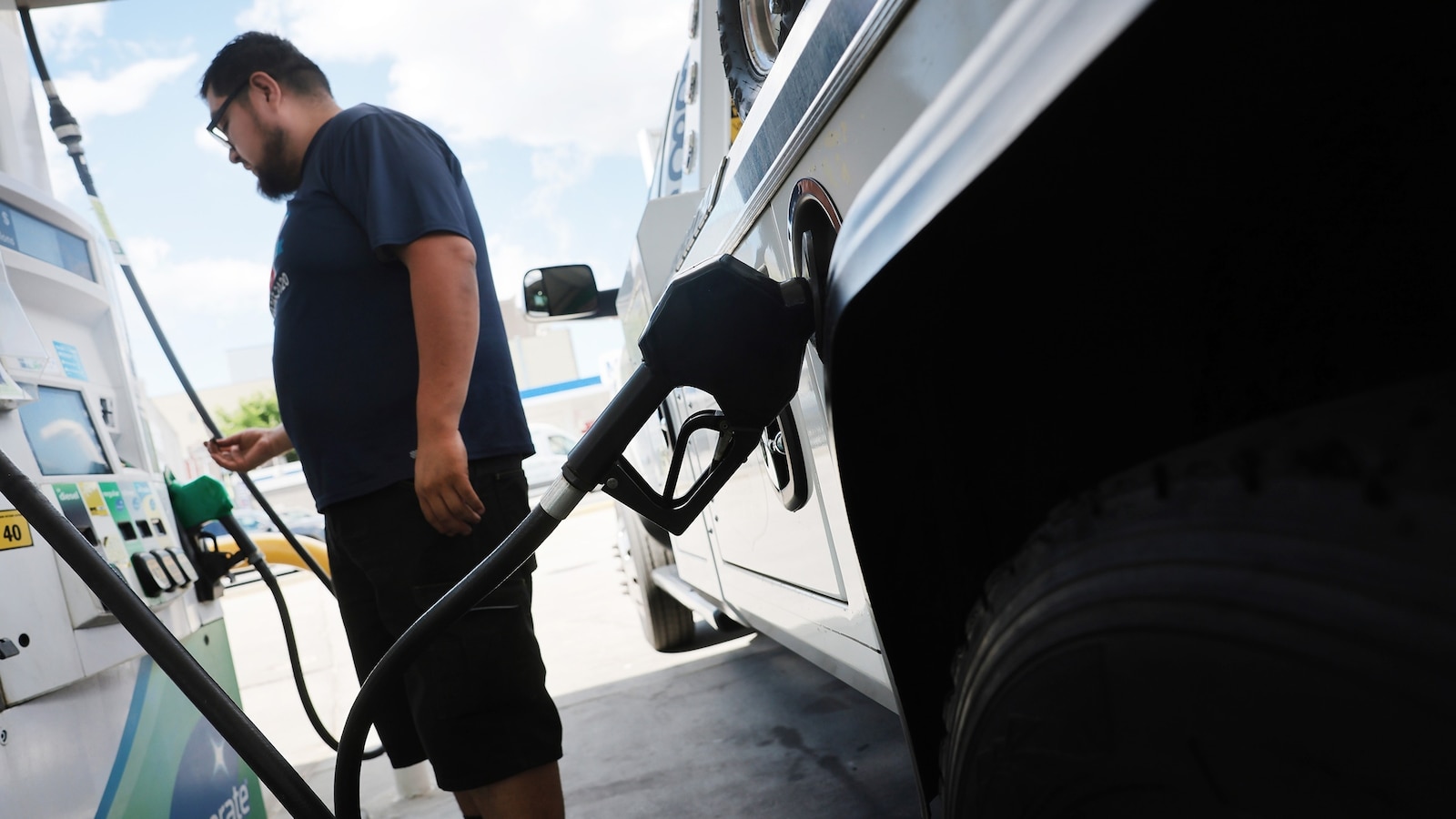
Despite the ongoing turmoil in the Middle East, particularly the impacts of the Iran war, drivers across the United States have recently experienced a welcome decline in gas prices. As of June 1, 2026, the national average for a gallon of gas stood at $4.26, down 30 cents or 6.5% since peaking on May 21.
While this decrease offers relief, it’s crucial to note that prices are still significantly higher than pre-war levels where gas was under $3 a gallon. The current situation reflects a complex interplay of supply, demand, and geopolitical factors.
Factors Influencing Price Changes
According to analysts, the drop in prices can largely be attributed to a decrease in oil costs following a slump in demand post-Memorial Day weekend. However, many experts caution that these prices could rise again, especially if oil costs increase or the conflict shows no signs of resolution. Some forecasts predict gas could reach $5 a gallon if current conditions persist.
"It's so volatile," stated Patrick Penfield, a professor of supply chain practice at Syracuse University. "If the war ended, prices would likely go down. But if it continues, you'll see prices go up." This indicates how susceptible gas prices are to global tensions and market dynamics.
Regional Variances in Gas Prices
Examining regional price differences reveals stark contrasts across the United States. In Georgia, the state with the lowest average gas prices, a gallon costs around $3.79, while California sees prices soaring to $5.99 on average—making it the state with the highest prices. Even so, California has seen a minor dip of 10 cents in the past week.
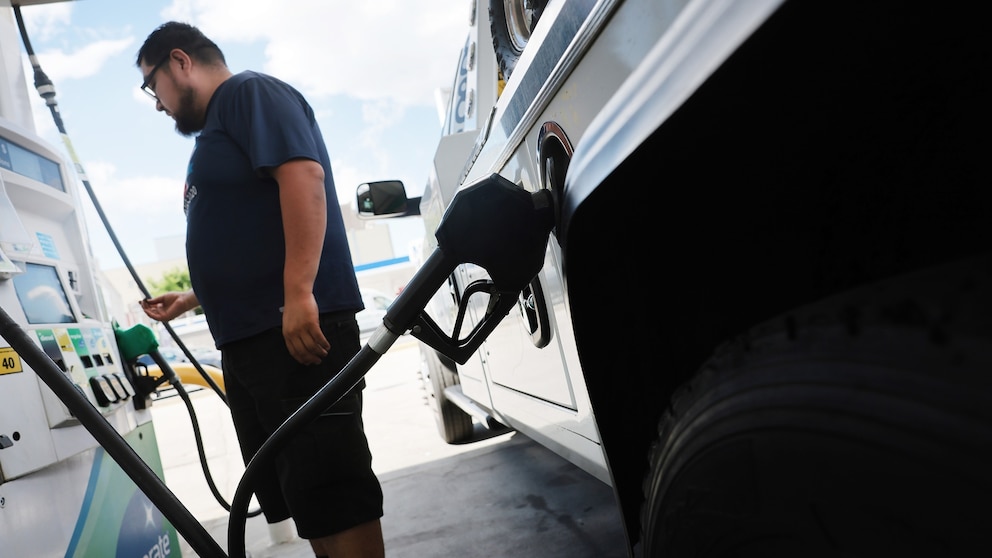
Prices have reacted strongly to geopolitical events, especially at the onset of the Iran war when gasoline surged following Iran’s closure of the Strait of Hormuz, a vital maritime route for a significant portion of the world's crude oil supply.
The Impact of Global Oil Prices
Notably, as oil prices began to dip in mid-May—due in part to an indication that the U.S. and Iran may reach an agreement to reopen critical shipping lanes—gas prices followed suit. This decrease in crude prices, which fell to about $86 a barrel recently, represents a 20% decline over about ten days.
Ramanan Krishnamoorti, a professor of petroleum engineering at the University of Houston, emphasizes that this downward movement in gas prices is directly linked to crude drops. The United States' position as a net exporter of petroleum means its prices are influenced by international supply and demand shifts.
Future Projections and Analysis
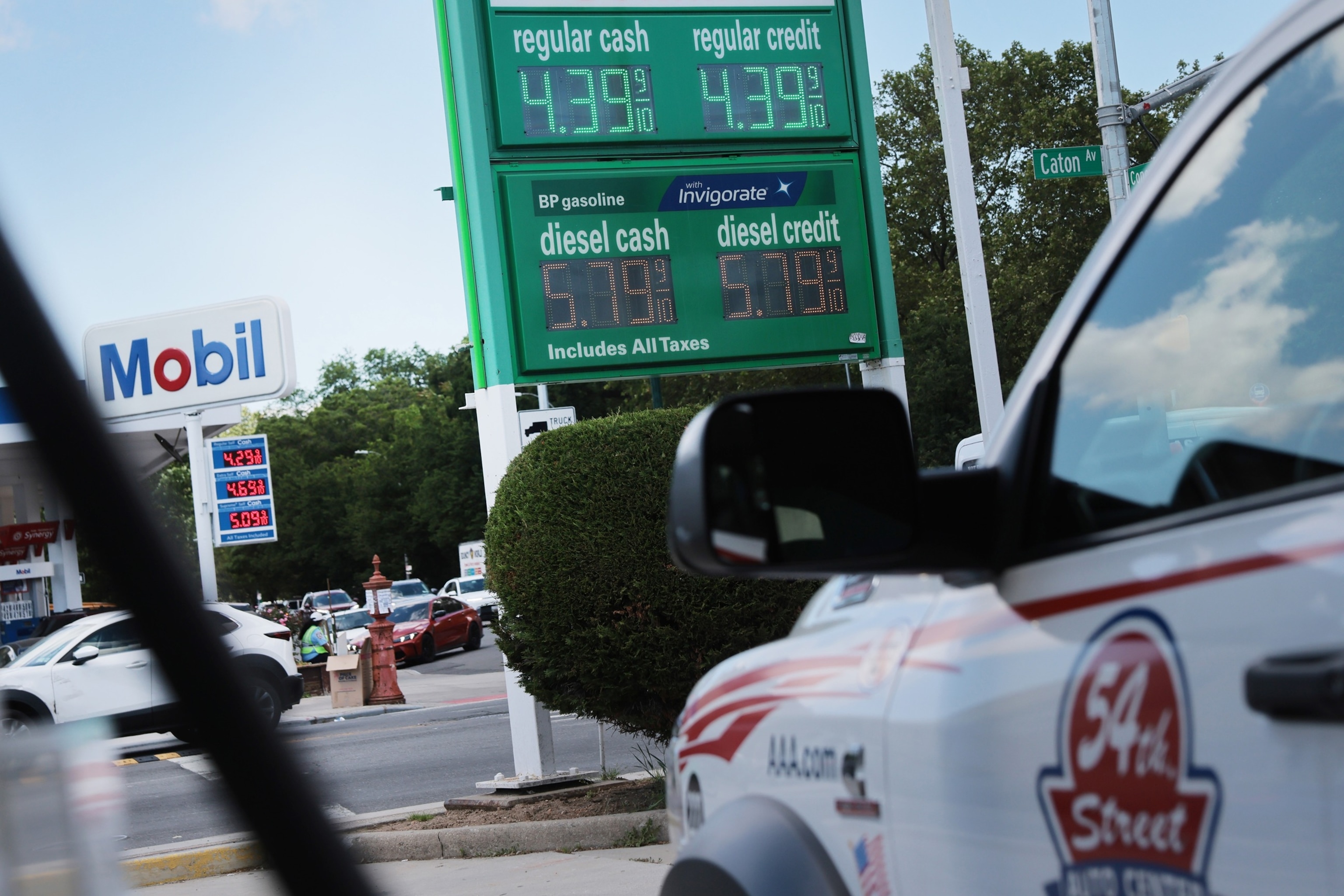
Experts are divided on future price trajectories. While some posit that gas prices might stabilize or decline due to current profit margins held by gas sellers—averaging at 50 cents per gallon compared to last year's 34 cents—others warn of potential increases as more typical tariffs resume in the Strait of Hormuz.
Patrick De Haan, a petroleum analyst at GasBuddy, noted that it is possible prices could spike in the lead-up to July 4, potentially surpassing $5 a gallon if trends do not improve.

In conclusion, while gas prices have seen a decline, the intricate relationship between global politics, oil supply, and market influences keeps consumers on edge and questioning how long this reprieve will last. The coming months will be critical in determining whether we can expect stability at the pump, or if we must brace for yet another surge.