Key Takeaways from the 2026 Primaries: Platner's Resounding Victory Amid Controversy
Trump-endorsed candidates shine while Democratic hopeful faces intensified scrutiny
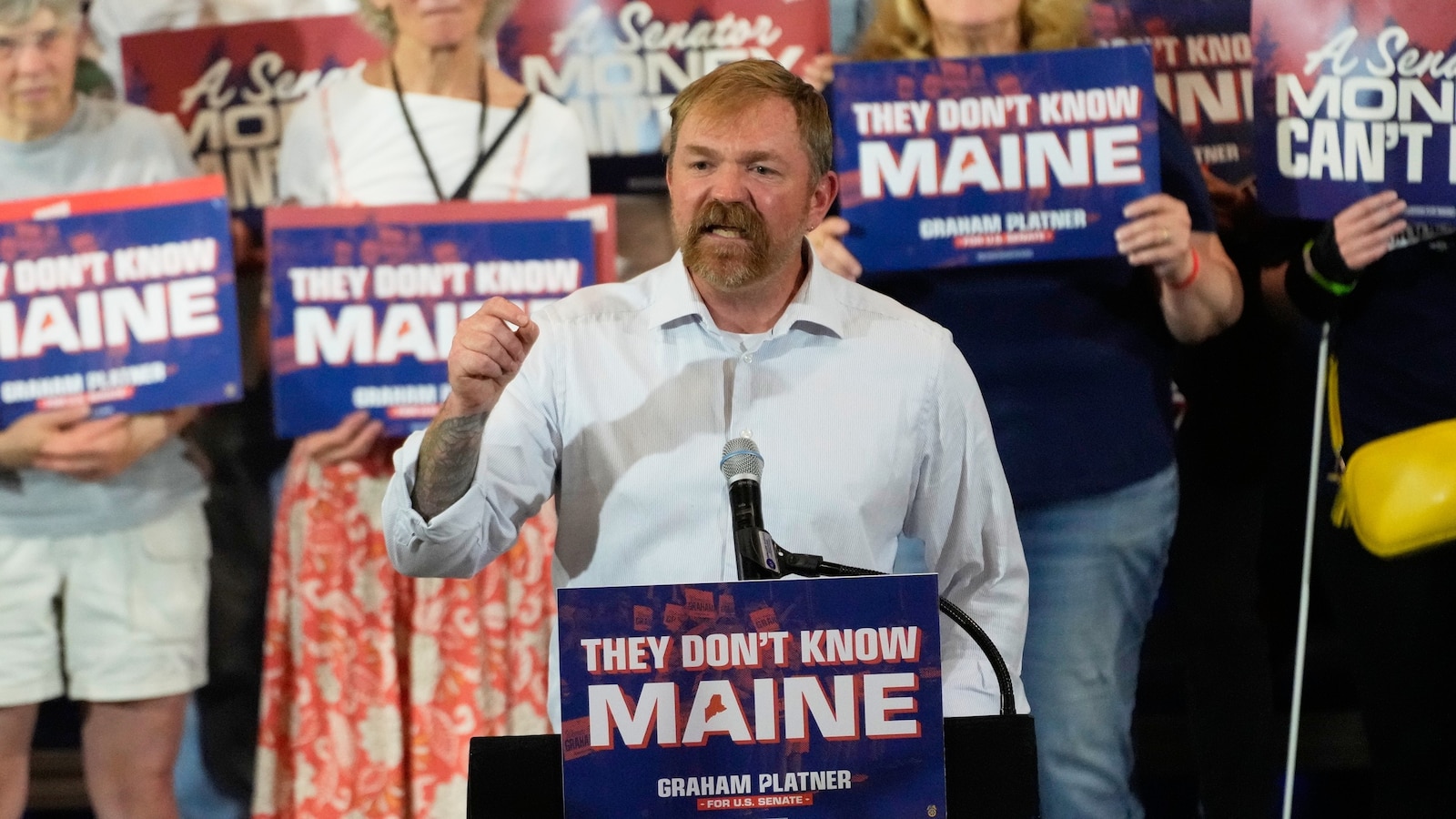
Platner's Triumph in Maine
In a highly anticipated primary election held on June 9, 2026, Democratic candidate Graham Platner emerged victorious, securing the nomination for the U.S. Senate from Maine. Platner, an oyster farmer and military veteran, won a staggering 75% of the vote, despite facing serious controversies surrounding his past.
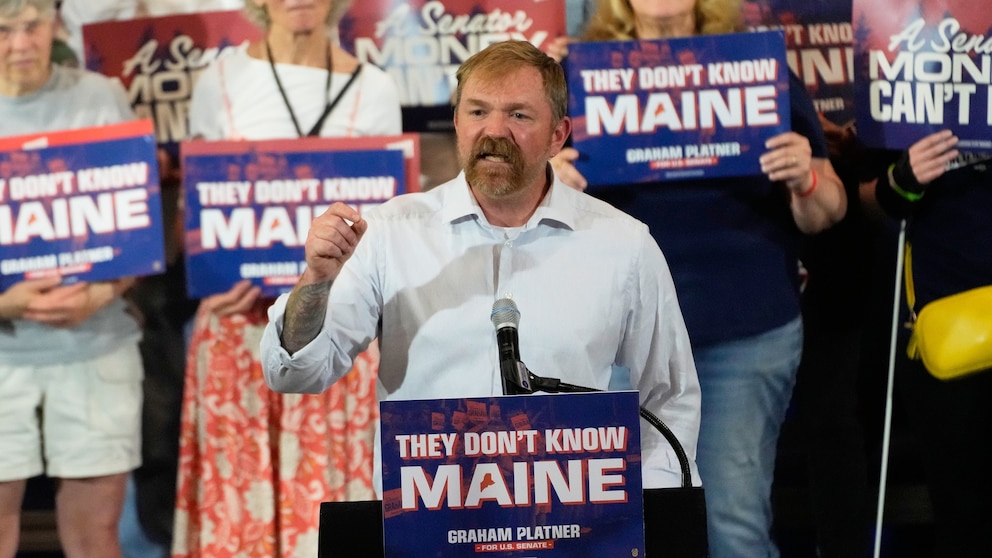
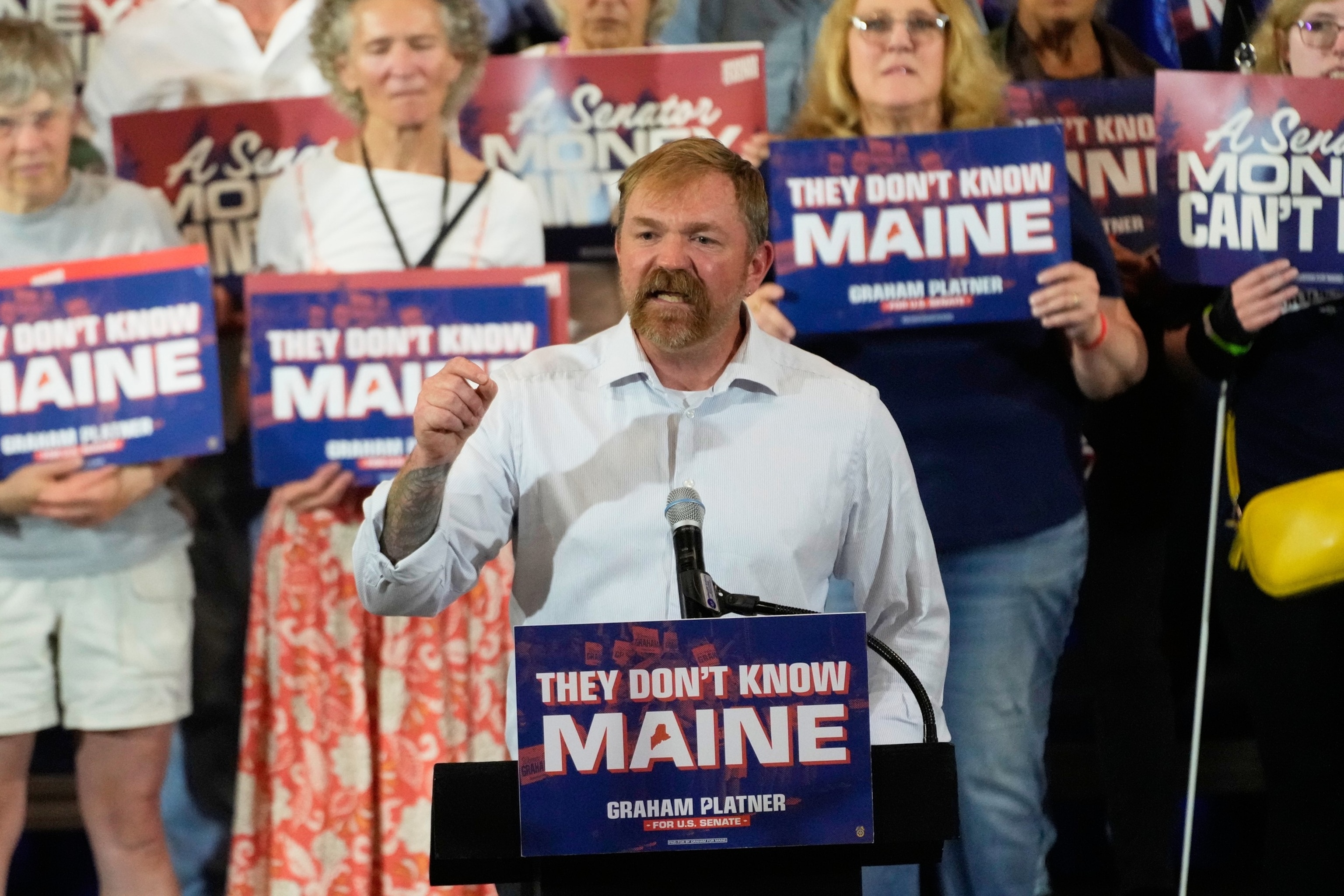
On election night, Platner addressed his enthusiastic supporters, framing his campaign as a movement to reclaim power from corporations and political elites. "Over the last nine months, I have seen Mainers come together behind a vision to take back our power from corporations and billionaires," he stated passionately.
However, the road ahead is fraught with challenges. The National Republican Senatorial Committee (NRSC) wasted no time in launching attacks, portraying him as a scandal-ridden candidate at odds with the values he claims to uphold. Republicans are expected to leverage the controversies surrounding his past in every debate and advertisement leading up to the general election.
Controversies and Challenges
Despite the victory, Platner’s campaign will be under significant scrutiny for the coming months. An article from The New York Times reported allegations from several of his former girlfriends suggesting that his behavior could be perceived as "intimidating and disturbing." Though Platner has openly denied these claims, the narrative is likely to persist in the political discourse.
As he prepares to face incumbent Republican Senator Susan Collins in the general election, the potential impact of these controversies on his campaign remains to be seen. The establishment backing from Senate Democratic Leader Chuck Schumer and Senator Kirsten Gillibrand could provide some shield, as they reiterated support for Platner's candidacy and the broader Democratic agenda aiming to secure a Senate majority.
Republican Dynamics in South Carolina
Meanwhile, in South Carolina, the influence of former President Donald Trump continues to shape Republican primaries. Lt. Gov. Pamela Evette advanced to a primary runoff for the governor’s race, highlighting Trump’s enduring popularity and the effectiveness of his endorsements.
Despite facing off against established incumbents like U.S. Representatives Nancy Mace and Ralph Norman, Evette's campaign demonstrated the power of Trump’s backing. This victory signifies not only her political fortitude but also Trump's lasting grip on Republican voter sentiments in the state.
As political landscapes shift and voter concerns evolve, the upcoming months will prove crucial for both Platner's efforts to navigate scrutiny and Republican candidates capitalizing on Trump's foothold in the primaries.

A Look Ahead
Looking towards the November elections, both parties are preparing for a fierce showdown. Democrats will rally behind Platner, seeking to combat the storm of criticisms, while Republicans will intensify their efforts to leverage every available opportunity to undermine his candidacy.
As the nation inches closer to the general election, the implications of these primaries will reverberate across political platforms, shaping the narratives and strategies of candidates on both sides.