Luigi Mangione's Attorneys Prepare for a Groundbreaking 'Affirmative Psychiatric Defense'
Trial Set Against the Backdrop of Emotional Turmoil and Legal Maneuvering
Contextualizing the Defense Strategy
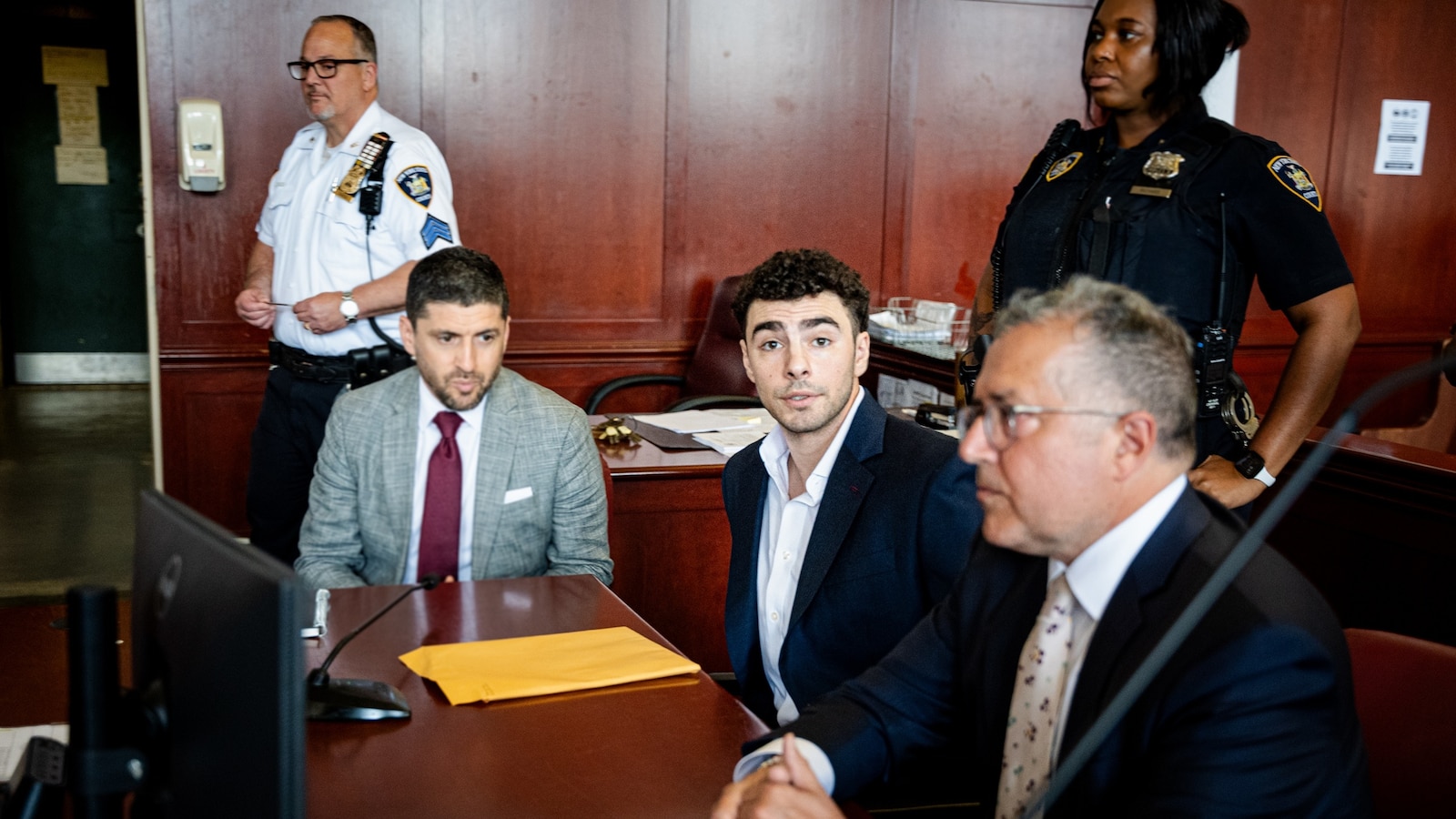
Luigi Mangione's legal team is preparing to present a novel and potentially groundbreaking defense strategy in his upcoming state trial. They plan to invoke an "affirmative psychiatric defense", arguing that their client was suffering from an extreme emotional disturbance at the time of the tragic killing of UnitedHealthcare CEO Brian Thompson. This emotional turmoil, they contend, influenced Mangione's actions, providing a complex layer to the typical legal narratives surrounding homicide cases.
Trial Developments and Legal Procedures
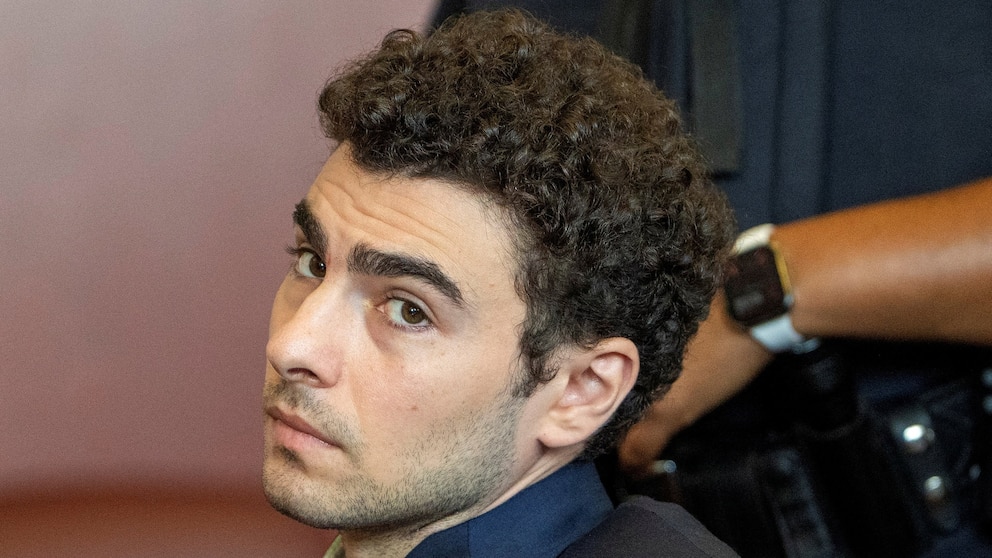
During a recent hearing presided over by Judge Gregory Carro, the judge ordered Mangione's attorneys to submit his psychiatric records to the prosecution without delay. This move is seen as a critical step in shaping the courtroom dynamics as both sides prepare for a battle over expert testimony and psychological evaluations
In another significant legal development, Judge Carro dismissed one of the criminal counts against Mangione related to the possession of a large capacity ammunition magazine. Prosecutors agreed to drop this charge after rulings earlier this year, indicating that the evidence surrounding the magazine was collected through improper search methods by law enforcement during Mangione's arrest in Pennsylvania.
The Crime and Its Aftermath
Mangione faces multiple charges, having pleaded not guilty to both state and federal counts following his arrest for allegedly gunning down Brian Thompson on the bustling streets of Midtown Manhattan in December 2024. Thompson, a husband and father of two, became a tragic symbol in discussions about the intersection of mental health and gun violence.
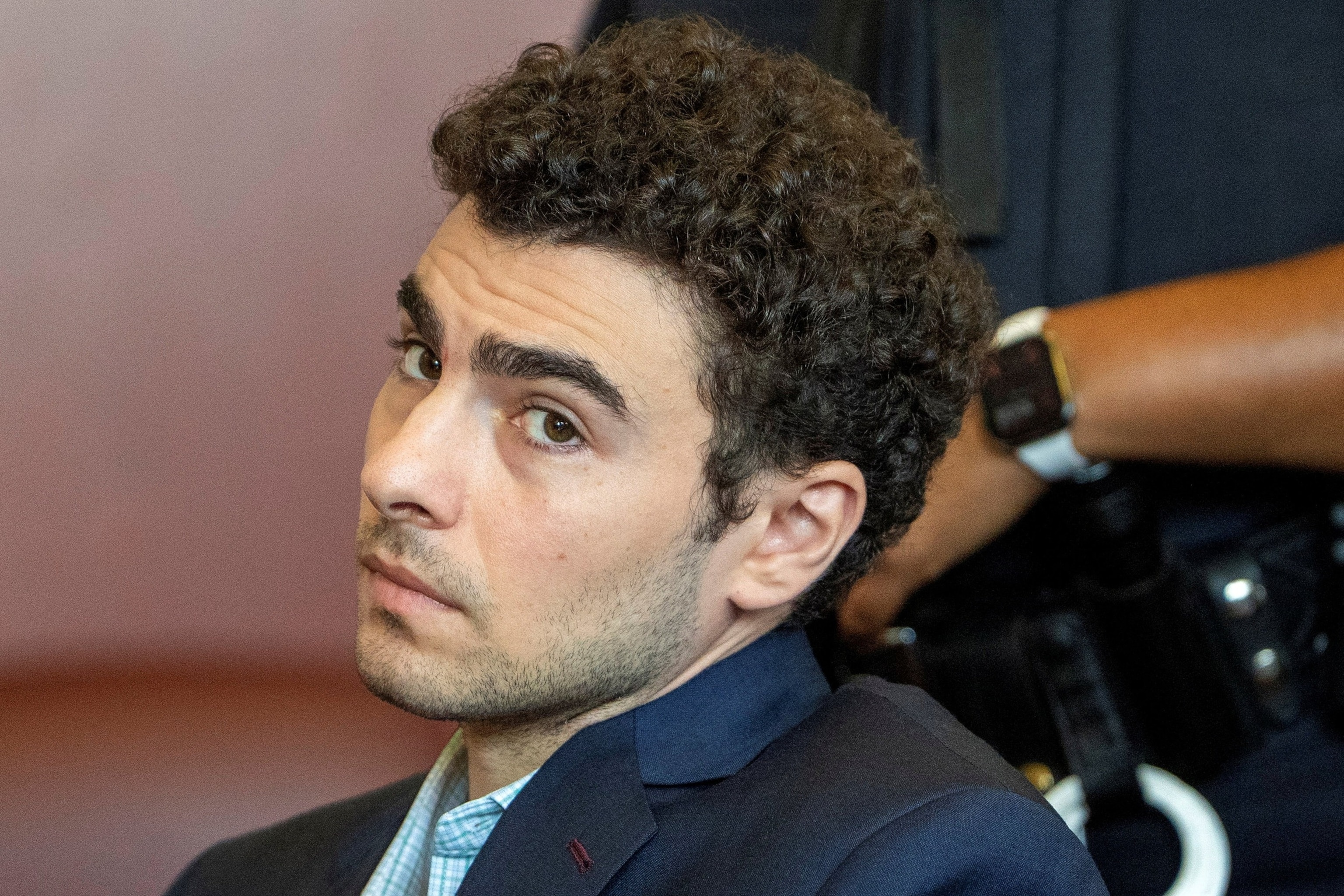
The trials are expected to draw media attention, with Mangione's state trial scheduled to begin on September 8, while his federal trial is set for the following year. As details emerge, many are questioning the implications of a defense rooted so deeply in psychological assessment and whether it could reshape legal standards in future cases.
Looking Ahead: Implications for Future Trials
The introduction of an affirmative psychiatric defense raises important questions about societal perceptions of mental health in legal contexts. Will emotional disturbances be viewed as legitimate factors in criminal accountability? How might this shift affect future prosecutions related to violent crimes?

As the date approaches, the legal community and public alike are keenly watching how the courts will handle these complex issues, as they reflect a broader societal conversation regarding mental health's role in criminal justice. Mangione’s case could become a landmark in understanding the intertwining of psychological distress and legal culpability.