Key Takeaways from the 14-Point Memorandum of Understanding Between the US and Iran
An In-Depth Analysis of the Framework for Future Diplomatic Relations
Context and Background
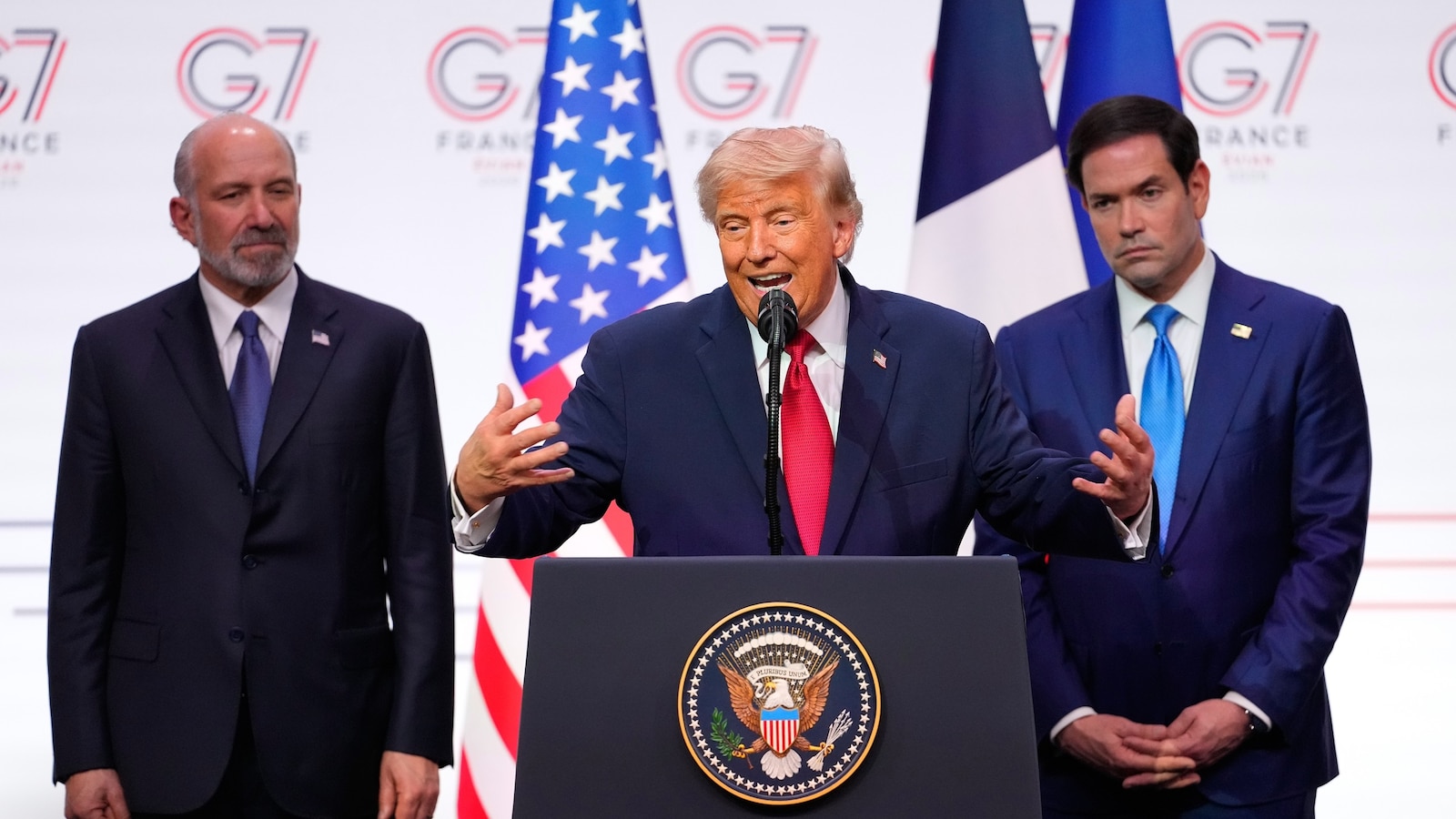
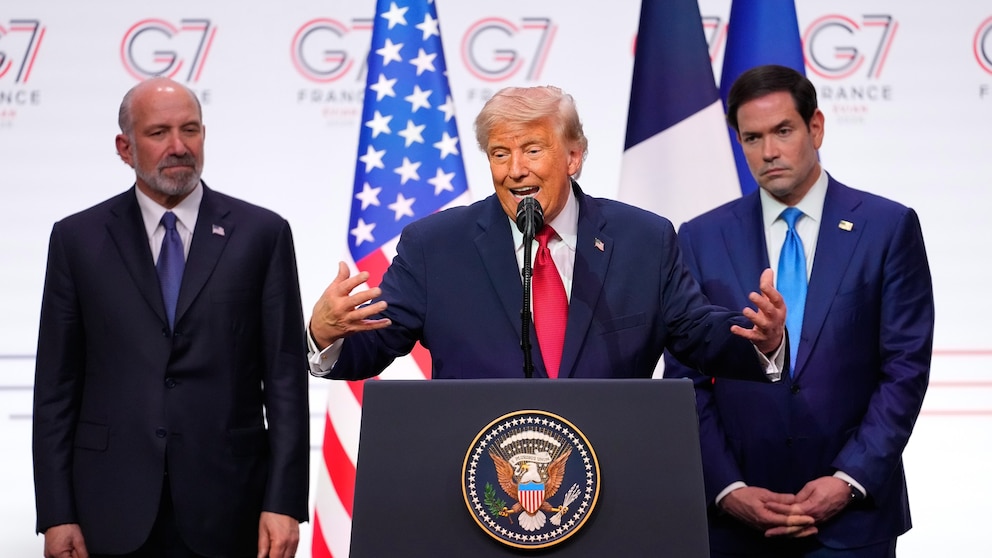
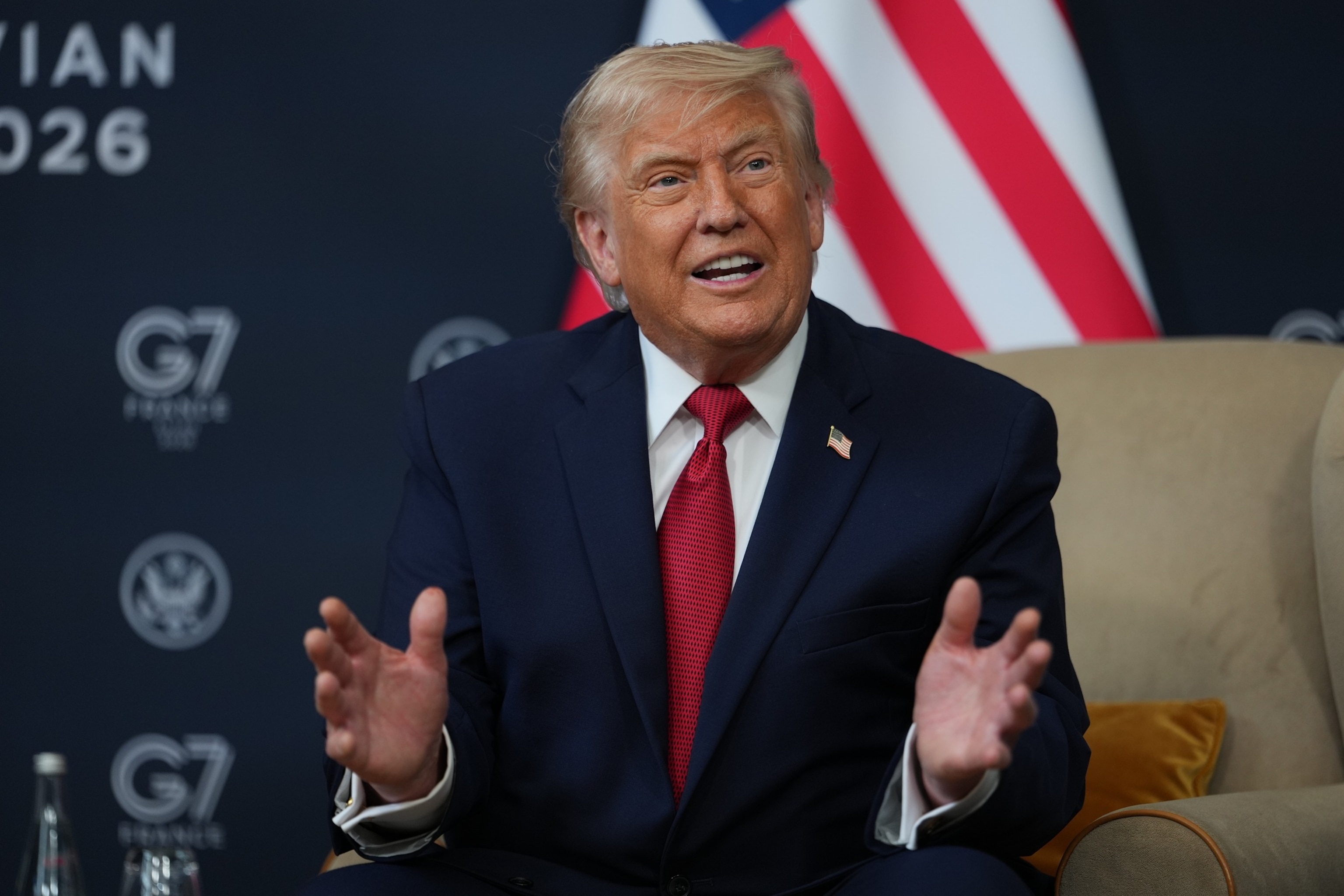
Recent developments in US-Iran relations have taken a significant turn with the announcement of a 14-point memorandum of understanding (MOU). Announced by President Donald Trump at the G7 summit in France on June 17, 2026, this framework offers hope for de-escalation and a potential path towards lasting peace. However, uncertainties abound regarding the long-term implications of this agreement.
Key Provisions of the Memorandum
The MOU outlines crucial elements aimed at restoring stability in the region:
- Reopening of the Strait of Hormuz: A critical passage for global oil shipping, the Strait will be reopened to commercial traffic, restoring flow to pre-war levels.
- Lift of Naval Blockade: The US will lift its naval blockade of Iranian ports, reducing tensions and allowing Iranian exports to re-enter the global market.
- 60-Day Ceasefire: A temporary cessation of hostilities is agreed upon, providing both sides with room to negotiate the finer points of a future comprehensive deal.
Despite these hopeful frameworks, there remains skepticism from US officials about the reliability of Iranian commitments. As Trump remarked, "If they don’t honor that, we’ll probably go back to bombing them until they honor it. You know, it’s amazing what bombs can do." This raises questions about trust and enforcement mechanisms.
Economic Implications
The MOU presents both opportunities and challenges for Iran's economy:
- Export of Iranian Crude: The MOU states that the Treasury Department will issue waivers to allow the export of Iranian crude, which has been severely restricted under previous sanctions. This has the potential to generate significant revenue for Iran.
- Access to Frozen Assets: Approximately $100 billion in frozen assets could be made available, contingent on Iranian compliance with the agreement.
Economic analysts suggest that this influx of cash could revitalize the Iranian economy, suffering under years of sanctions, but the conditions and timelines remain unclear.
Nuclear Ambiguities
Iran's ongoing commitment to refrain from developing nuclear weapons is reiterated in the MOU, a position they have maintained for decades:
- Commitment to Down-blending Uranium: While Iran has committed to further discussions on down-blending highly enriched uranium, the specifics remain to be clarified. Current estimates suggest Iran possesses hundreds of pounds of uranium enriched to 60%.
- Concerns About Compliance: There are fears that Iran may not adhere to its commitments, raising the stakes for US negotiators.
Officials indicate that although the MOU represents a baseline for discussions, they aim for a more comprehensive agreement moving forward. The agreement's premise suggests a willingness by Iran to destroy its enriched stockpile.
Future Prospects
While this memorandum lays the groundwork for enhanced dialogue, numerous variables could affect outcomes:
- Political Will: The success of the MOU will largely hinge on the willingness of both nations to comply with its terms and engage in genuine negotiations.
- Regional Dynamics: The influence of other Gulf states, such as Oman, is vital in determining the future arrangements concerning the control and management of the Strait of Hormuz.
In conclusion, while the MOU presents a promising avenue for re-establishing trade and reducing regional tensions, the uncertainty surrounding Iran's nuclear intentions and the enforcement of the agreement pose significant challenges. The coming months will be pivotal as both nations navigate this complex diplomatic landscape.