A Dangerous Bacteria Is Moving Up the East Coast: Understanding Vibrio and Its Implications
As climate change warms our waters, Vibrio bacteria pose an increasing threat to public health.
A Closer Look at Vibrio Bacteria
Bailey Magers and Sunil Kumar cut strange figures on Pensacola Beach. Bags of disinfectant solution surrounded them on the white sand; their gloved hands juggled test tubes while layers of rubber and plastic shielded their skin from the elements. In their ongoing mission to monitor water quality and study Vibrio bacteria, they are part of a larger effort to understand and mitigate the risks associated with these ancient marine organisms.
The Bacterial Evolution and Public Health Risks
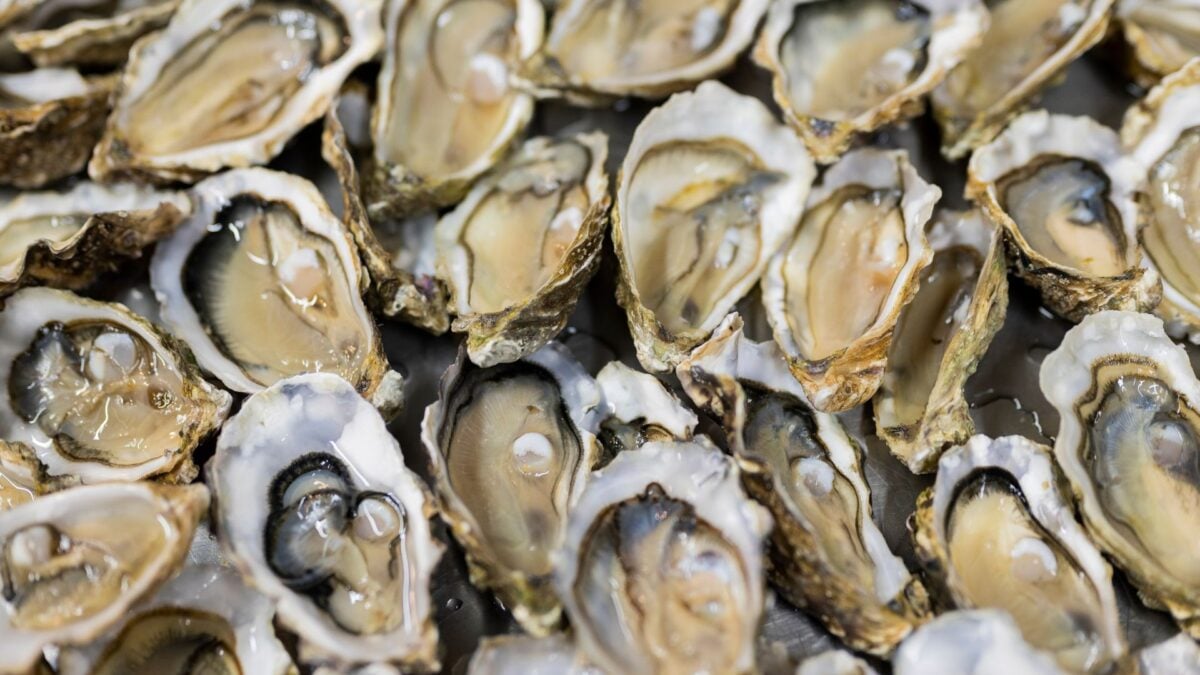
Vibrio bacteria are a lineage of ancient marine species that likely emerged during the Paleozoic Era, thriving in the warm, shallow seas that covered the Earth at that time. Currently, there are over 70 known Vibrio species, with a small number capable of causing severe illness or death in humans. The ingestion of contaminated raw shellfish or exposure of open wounds to brackish water can lead to devastating effects, particularly for vulnerable populations such as those with liver disease, the elderly, and the immunocompromised.
One of the most dangerous species, Vibrio vulnificus, can enter the body through minor cuts and has a lethality rate of 15-50%, depending on factors such as the health of the individual and the method of infection. The CDC reports around 150-200 cases of this rare infection annually, with incidents and fatalities notably increasing as environmental conditions change.
Climate Change: An Enabler for Vibrio
As global temperatures rise, so too do the waters of our oceans. The temperature and salinity of seawater are critical factors impacting the survival and proliferation of Vibrio bacteria. Research indicates these organisms can become active in water temperatures exceeding 60 degrees Fahrenheit and multiply rapidly as summer heat sets in.
Climate change also facilitates the northward expansion of Vibrio. Recent studies have shown that the northern boundary of V. vulnificus infections is moving at a rate of 30 miles per year, making once-cold waters more susceptible to these dangerous pathogens. As the bacteria extend their range, the CDC warns that infections are becoming more common, with significant spikes reported during extreme weather events and heatwaves.
The Current Landscape of Vibrio Infections
The latest data underscores a concerning trend: Vibrio infections have surged, becoming the leading cause of shellfish-related illnesses in the U.S. since 1996. Multiple factors contribute to this increase, including globalization, food handling practices, and lapses in regulatory oversight. Notably, the heatwaves experienced from summer 2023 and hurricanes pushing brackish waters inland have caused alarming spikes in cases across states like Florida, North Carolina, New York, and Connecticut.
Potential Solutions and Future Directions
In response to these rising threats, Magers and Kumar are part of a project at the University of Florida aimed at developing a Vibrio early warning system for the eastern United States. This initiative seeks to predict increases in Vibrio concentrations a month in advance, enabling healthcare professionals to prepare for an influx of infections that are often misdiagnosed due to their similarities with more common ailments.
“How many limbs would be saved if doctors could be warned ahead of time?” Magers posits, highlighting the potential impact of their research.
Moreover, as Vibrio bacteria serve as important indicators of changing marine environments, their monitoring could also yield insights into broader ecological shifts related to climate change. “We see Vibrio as the indicator for climate change,” asserts Kyle Brumfield, a microbiologist at the University of Maryland, suggesting the dual role of Vibrio as both a public health concern and a barometer for oceanic health.
Final Takeaway
The increasing prevalence of Vibrio vulnificus across the U.S. East Coast signals an urgent public health threat, exacerbated by climate change. With the risk of bacterial infections growing as our oceans warm, the research efforts by scientists like Magers and Kumar are essential. Their work may not only help protect public health but also provide insights into the overall health of marine ecosystems, advocating for the intersection of environmental and health studies in a warming world.