MIT Student Teams Shine in NASA Competition for Lunar and Martian Infrastructure
Innovative designs from MIT pave the way for sustainable living on the Moon and Mars
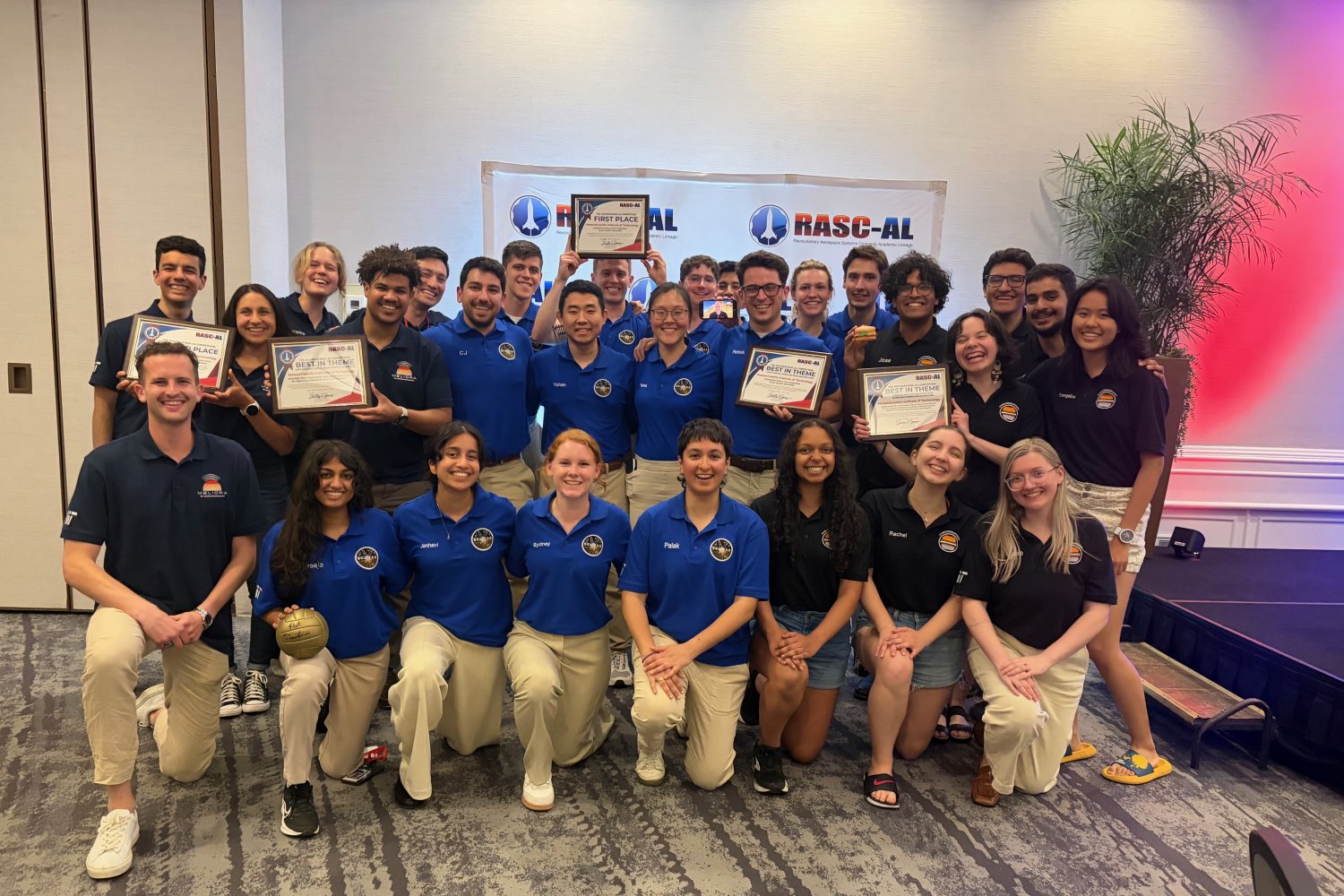
Brilliance in Aerospace Engineering
In a spectacular display of engineering prowess, three teams from the Massachusetts Institute of Technology (MIT) recently garnered five prestigious awards at NASA’s 2026 Revolutionary Aerospace Systems Concepts — Academic Linkage (RASC-AL) Forum. Their collaborative effort involved 35 students from eight different MIT departments and Wellesley College, all working diligently since the fall of 2025 to develop essential infrastructure for a future lunar base.
Three MIT teams took home numerous accolades:
- First Place Overall: ECLIPSE - Lunar Surface Power Generation
- Second Place Overall: MELIORA - Mars Communications, Position Navigation, and Timing
- Best in Theme: CHEESEBURGER - Lunar Technology Demonstrations

The ECLIPSE Team: Powering the Moon
The ECLIPSE team achieved distinction with their Exploration-Class Lunar Integrated Power SystEm. This scalable lunar power grid is engineered for high reliability, designed to maintain uptime of over 99.995%. The implications are critical; any failure in life-support power could jeopardize lunar missions within hours.
The ECLIPSE system comprises:
- 20-meter solar masts strategically positioned in the sunlit highlands of the Moon.
- Buried 20 kilowatt microreactors, named CARROT (Compact Autonomous Regolith-shielded Reactor Operating for Ten years).

According to Taylor Hampson, a PhD student and co-lead of the ECLIPSE team, “Burying each reactor reduces the required shielding mass and enables operations in proximity to the reactors.