NASA Initiates Groundbreaking Mission to Rescue Falling Space Telescope
Swift Observatory Faces Imminent Destruction Without Prompt Intervention

Rescue Mission Takes Flight
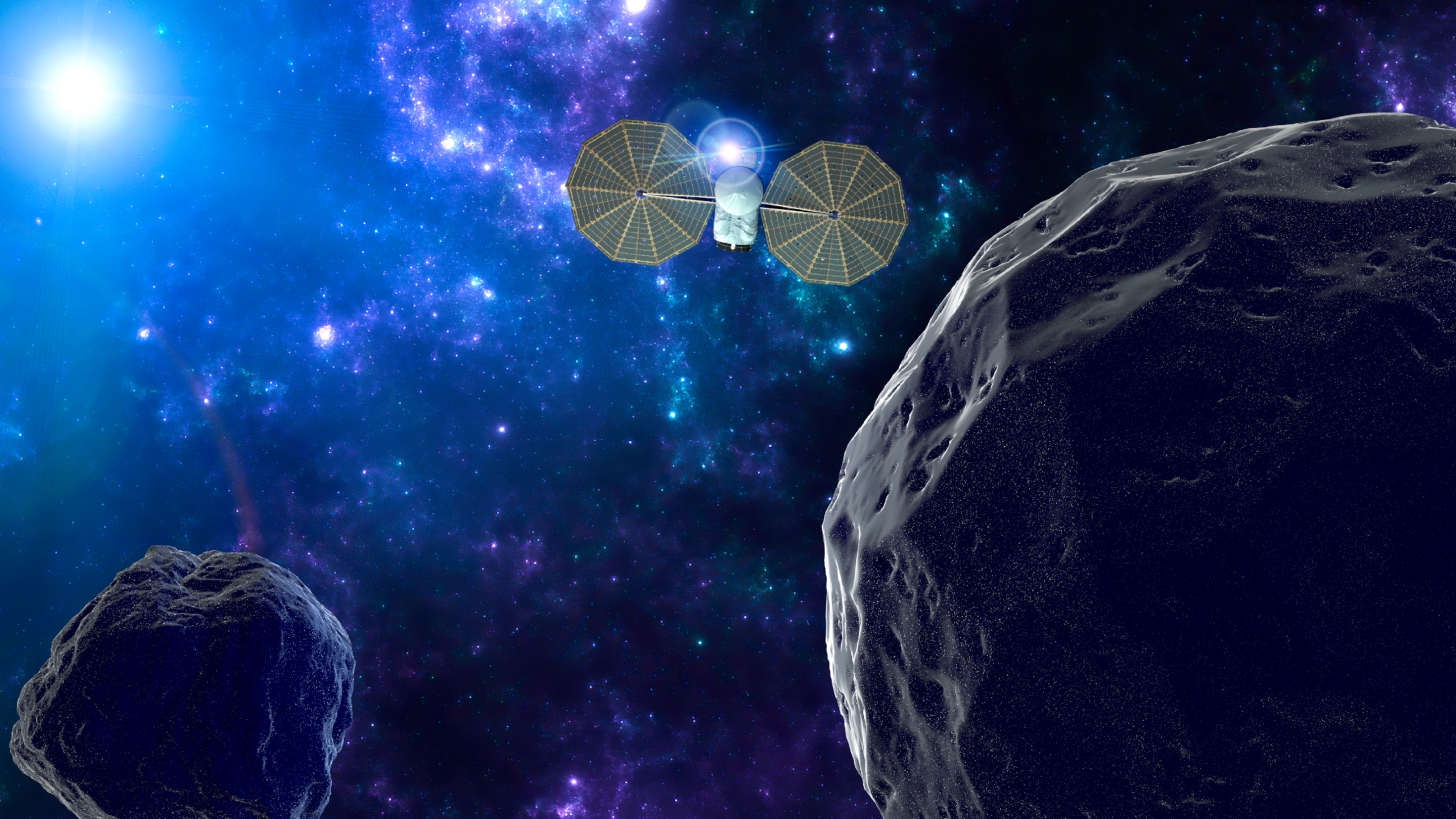
A rescue spacecraft is currently racing toward NASA's Swift Observatory, which is predicted to plummet into Earth's atmosphere later this year if no intervention occurs. This pioneering mission launched at 5:09 a.m. EDT (0908 GMT) on July 2, 2026, from the Marshall Islands. A robot-arm spacecraft named Link, developed by Katalyst Space for $30 million, was sent into orbit aboard a modified Lockheed Martin L-1011 airliner and a Northrop Grumman Pegasus XL rocket.

The Importance of Swift Observatory
The Swift Observatory, launched in 2004 at a cost of $250 million (approximately $450 million today due to inflation), stands as a vital tool for astronomers. It has dedicated over two decades to studying gamma-ray bursts—powerful cosmic explosions resulting from dying stars collapsing into black holes—along with other celestial events like supernovae and transient objects such as comets and asteroids. As NASA's multitool for cosmic study, Swift has contributed immensely within the astrophysics community.
S. Bradley Cenko, Swift's principal investigator, highlighted its multifaceted capabilities, stating, "Swift observes the sky using a wide range of light and rapidly points at short-lived outbursts, alerting other facilities in space and on the ground to coordinate further observations." However, time is running out, as Swift faces an accelerated descent due to increased atmospheric drag linked to high solar activity in recent years.

High-Risk, High-Reward Endeavor
The endeavor is not without challenges. Swift was not initially designed to be serviced in orbit, and the logistics of the mission have become a complex puzzle. NASA awarded Katalyst the contract in September, leading to an accelerated timeline to prepare Link for its space journey, all while adhering to rigorous testing standards.
Shawn Domagal-Goldman, director of NASA's Astrophysics Division, described the mission as a "high-risk, high-reward venture" aimed at determining if salvaging Swift is more cost-effective than replacing its capabilities altogether.
Preparing for the Rescue
To maximize the time available for Link's deployment, modifications were made to minimize Swift's power consumption and observe targets in a highly streamlined position to reduce drag. These adjustments could sustain Swift above the critical rescue altitude of 185 miles (298 kilometers) until autumn, providing a window for the spacecraft to be rescued.
The Future of Space Telescope Servicing
As Katalyst engineers ready Link for the rescue mission, the company signals ambitions to pioneer the development of robotic spacecraft capable of various