Maine Governor Vetoes Landmark Data Center Moratorium
The Controversial Decision Reflects Growing Tensions Over AI and Data Infrastructure
Maine's Pioneering Attempt to Regulate Data Centers
Earlier this month, Maine was on the verge of becoming the first state in the nation to implement a moratorium on artificial intelligence (AI) data centers. The Democrat-controlled legislature had officially passed a significant bill to ban data centers that carry a load of 20 megawatts or more until November 1, 2027. This legislation aimed to establish a 13-member council responsible for evaluating the environmental and economic impacts of data centers on the state.
Governor Mills' Veto and Its Implications
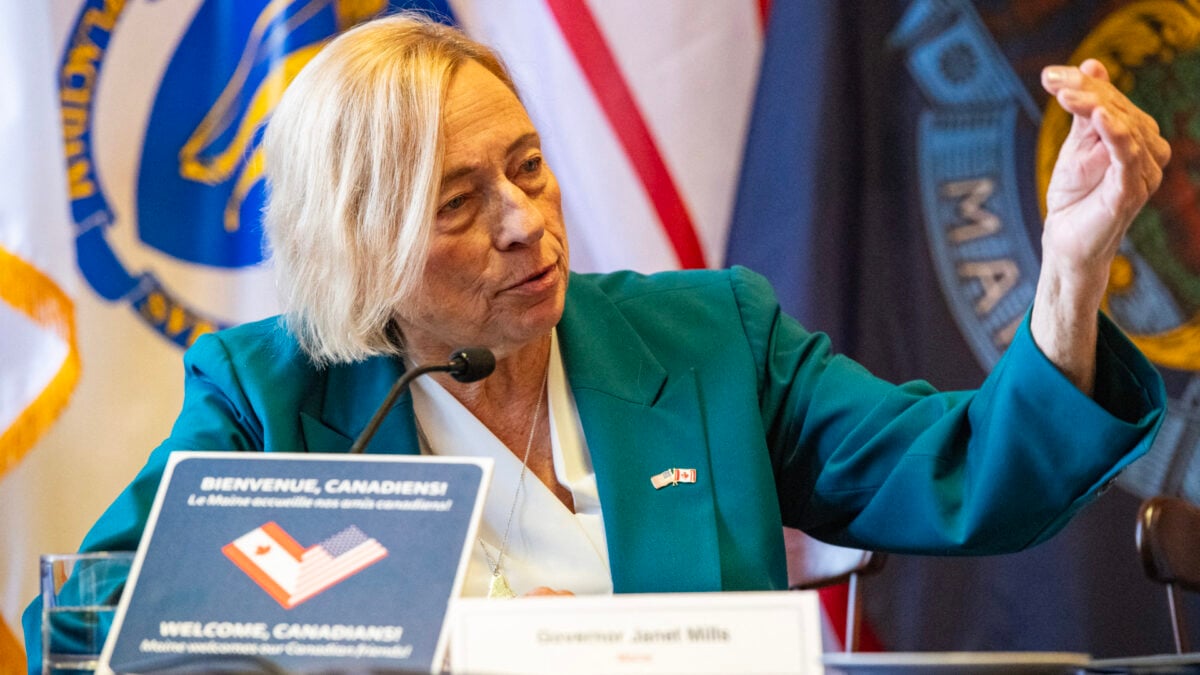
However, after deliberation, Governor Janet Mills vetoed the groundbreaking bill, joining a growing list of states that have attempted, and failed, to implement a data center moratorium. Mills' opposition to the moratorium was largely influenced by a specific data center project slated for construction in the Town of Jay, Franklin County. In her veto letter, she stated, “A moratorium is appropriate given the impacts of massive data centers in other states on the environment and on electricity rates. But the final version of this bill fails to allow for a specific project in the Town of Jay that enjoys strong local support from its host community and region.”
The Local Context: Economic Considerations
The Town of Jay had recently faced significant economic turmoil following the closure of a local mill in 2023, resulting in job losses and local distress. Governor Mills highlighted the anticipated benefits of the data center project, which promised to create hundreds of temporary construction jobs and several permanent positions for residents. Local officials, including Franklin County Commissioners and representatives from the regional Chamber of Commerce, voiced support for the project in correspondence with the governor, urging the need for an exemption from the moratorium.
A Compromise in Sight
While Mills vetoed the moratorium, she also proposed an alternative bill aimed at blocking data center projects from participating in specific state tax incentive programs. This separate legislation also seeks to establish the previously mentioned council to assess the potential impacts of large-scale data centers in Maine. Mills asserted her willingness to sign the initial moratorium if it included measures to accommodate the Jay project, indicating a nuanced approach to her governance.
The Wider Context of AI and Data Centers
The vetoed bill would have represented a significant regulatory milestone amid rising public dissent against AI technologies and the rapid expansion of data center infrastructures across the United States. The anti-AI sentiment is growing due to concerns over its implications for mental health, war, environmental degradation, and job loss. Local activists nationwide have expressed their apprehensions regarding data centers, citing increased utility bills, water shortages, air pollution, and heightened local temperatures associated with these facilities.
Escalating Tensions and Incidents of Violence
The opposition to data center projects, particularly those related to AI, has intensified in some areas, leading to confrontations that turned violent. In Indianapolis, a shooting occurred at the residence of a local politician who supported a controversial data center initiative. Similarly, the home of OpenAI's CEO Sam Altman in San Francisco was targeted with a molotov cocktail just days later. Such incidents reflect the escalating tensions surrounding these developments.
Demand for Pause and Reflection
A significant movement within the anti-AI data center advocacy calls for moratoriums on new project developments. Proponents argue that this pause would grant researchers and policymakers time to comprehend the ramifications of AI on local communities, human health, economic stability, and the environment fully. They insist that with greater awareness of AI's impacts, governments can introduce necessary safeguards to ensure accountability in the development of AI data centers.
Elections and Future Considerations
Governor Mills' veto may have broader political implications as she prepares to run for a Democratic Senate seat in the upcoming Maine primaries. As polling suggests she is trailing her opponent Graham Platner, whose stance includes advocating for the moratorium, Mills' decision may soon be evaluated by the electorate.