US Evaluates NATO as Trump Approaches Turbulent Summit in Turkey
President Trump’s ongoing criticisms and strained relationships define the backdrop of the pivotal NATO gathering.
Introduction
As President Donald Trump heads to the NATO summit in Ankara, Turkey, a crucial question looms over the event: how stable is the alliance amid rising tensions in the world? With a volatile ceasefire between the U.S. and Iran and ongoing conflicts involving NATO countries, the summit scheduled for July 7-8, 2026, seems more significant than ever.
Key Details of the Summit
The summit will be held at the Beştepe Presidential Compound and chaired by NATO Secretary General Mark Rutte. Formal proceedings kick off on Tuesday, with expectations for notable discussions around the U.S. allies' military expenditures.
Trump's agenda during this brief visit includes bilateral meetings with Turkish President Recep Tayyip Erdogan and Ukrainian President Volodymyr Zelenskyy, along with various working sessions aimed at addressing crucial NATO affairs.
'Taking Stock' of NATO
U.S. Ambassador to NATO, Matt Whitaker, emphasized that the summit would be a moment to measure the commitment of NATO allies to reach a defense spending target of 5% of their GDP. The spotlight falls particularly on nations like Poland, the Nordic countries, and the Baltic states that are reportedly leading the charge towards this goal.
However, challenges lie ahead as many allies lag behind. For instance, Germany plans to reach the target by 2029, but disagreements remain about the collective responsibilities within the alliance.
The Tension Within NATO
The summit occurs against a backdrop of recent comments from Trump, who has seriously questioned NATO's relevance and the U.S.'s role within it. Earlier this year, he criticized European partners for their lack of support in military operations in the Strait of Hormuz and hinted at withdrawing from the alliance altogether.
During his comments, he referred to NATO as a “paper tiger” and expressed that he has had misgivings about the alliance's efficacy. Such perspectives have ignited debate over the future direction of NATO as a collective security arrangement.
U.S. Spending in Context
Trump’s frequent critiques of NATO spending highlight another complexity. He argues that the U.S. disproportionately covers the financial burden of NATO without commensurate benefits—a claim that critiques the current allocation of resources among member states.
As the largest defense spender, the U.S. invests about 3% of its GDP into military funding, outpacing several European allies. The reality, however, is that defense spending is calculated individually; thus, discussions surrounding the percentage of GDP each member allocates can easily become contentious.
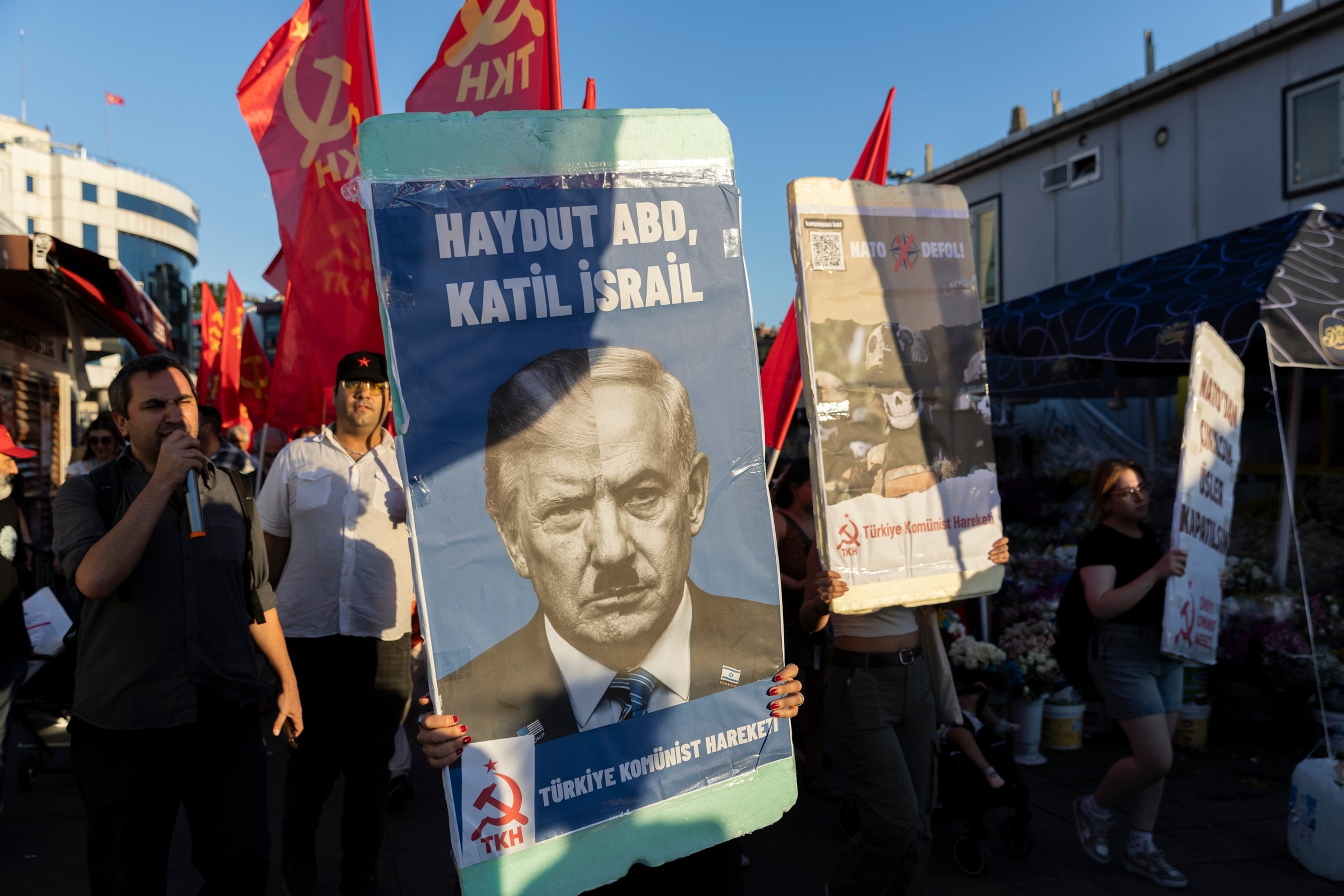
Conclusion
The upcoming NATO summit represents not only a moment of unity for member states but potentially a turning point, in which the future dynamics of transatlantic relations may be reshaped. As political leaders gather to navigate through these complexities, the world watches closely to see whether NATO can adapt to a changing geopolitical landscape.