Trump Declares MOU with Iran 'Over', Labels Leadership 'Scum' After Recent Strikes
U.S. Attempts Diplomatic Resolution Amid Rising Tensions in the Strait of Hormuz
Contextualizing the U.S.-Iran Relations
In a rapidly evolving geopolitical landscape, President Donald Trump has made a bold statement declaring that the interim Memorandum of Understanding (MOU) reached with Iran is effectively 'over'. This assertion follows a series of intense military exchanges occurring in the region.
The MOU, which aimed to reopen the critically important Strait of Hormuz for commercial traffic, included various commitments from both sides. Notably, it involved the U.S. lifting its naval blockade on Iranian ports, while Iran pledged to halt its nuclear weapons ambitions, a position they have professed before.
Escalation and Response
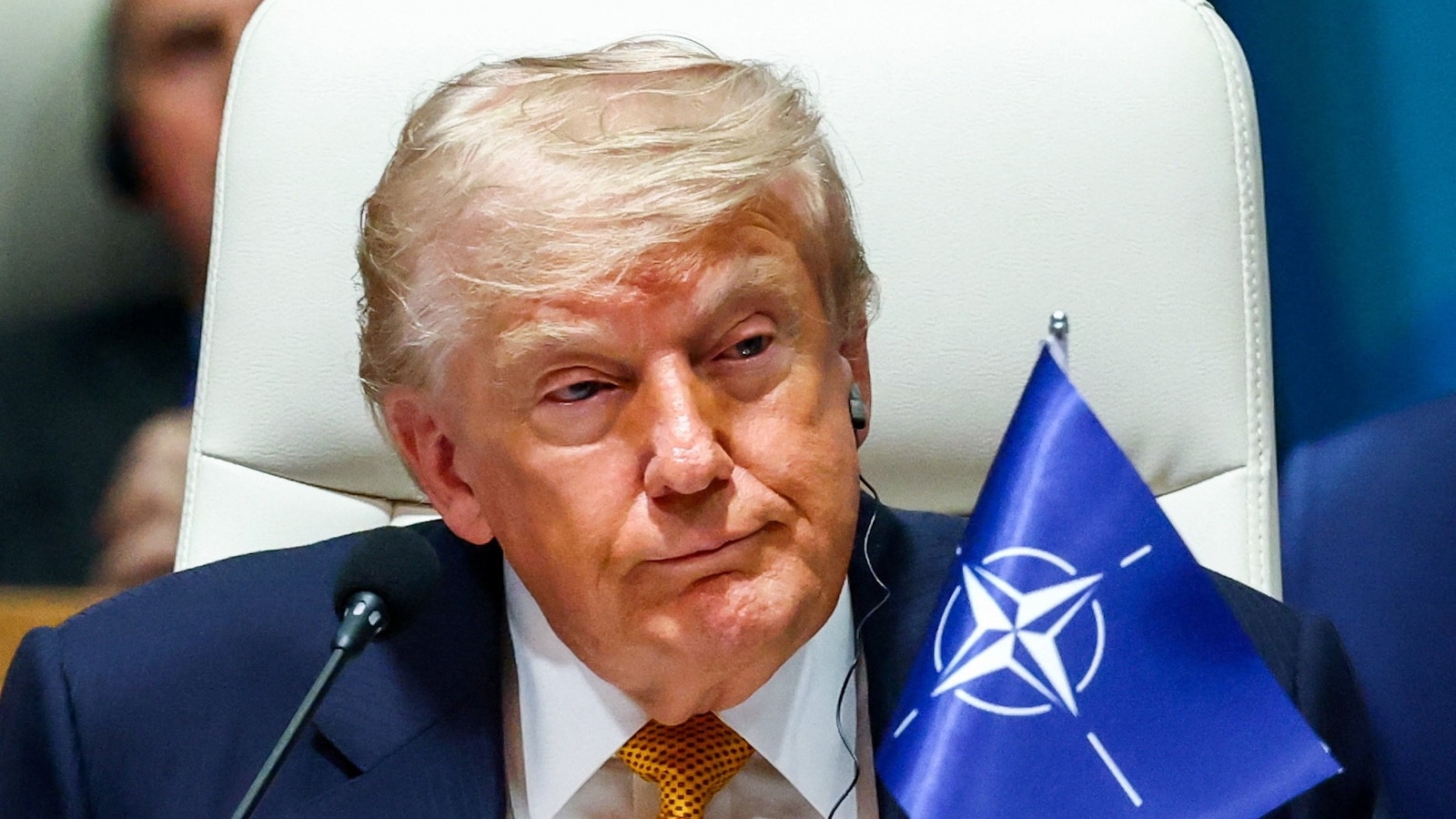
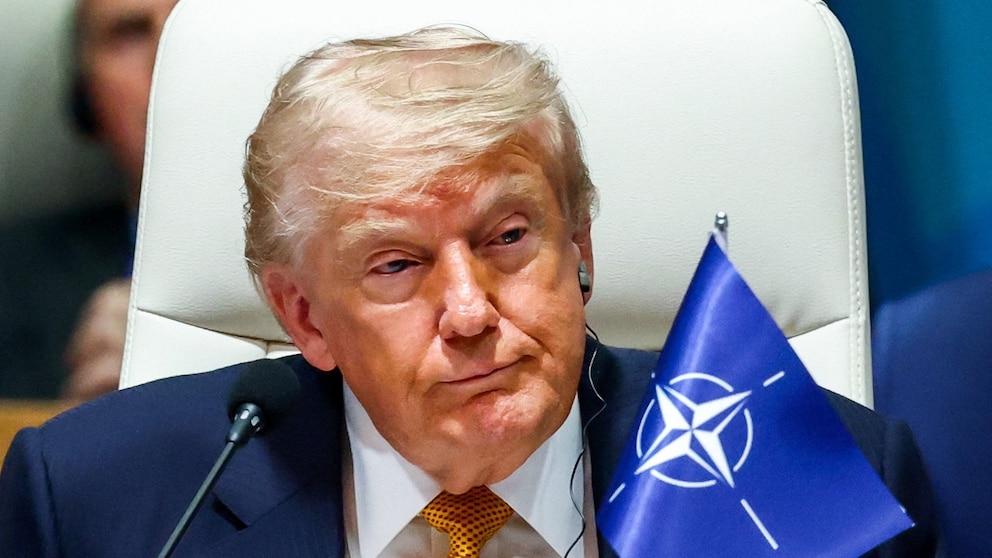
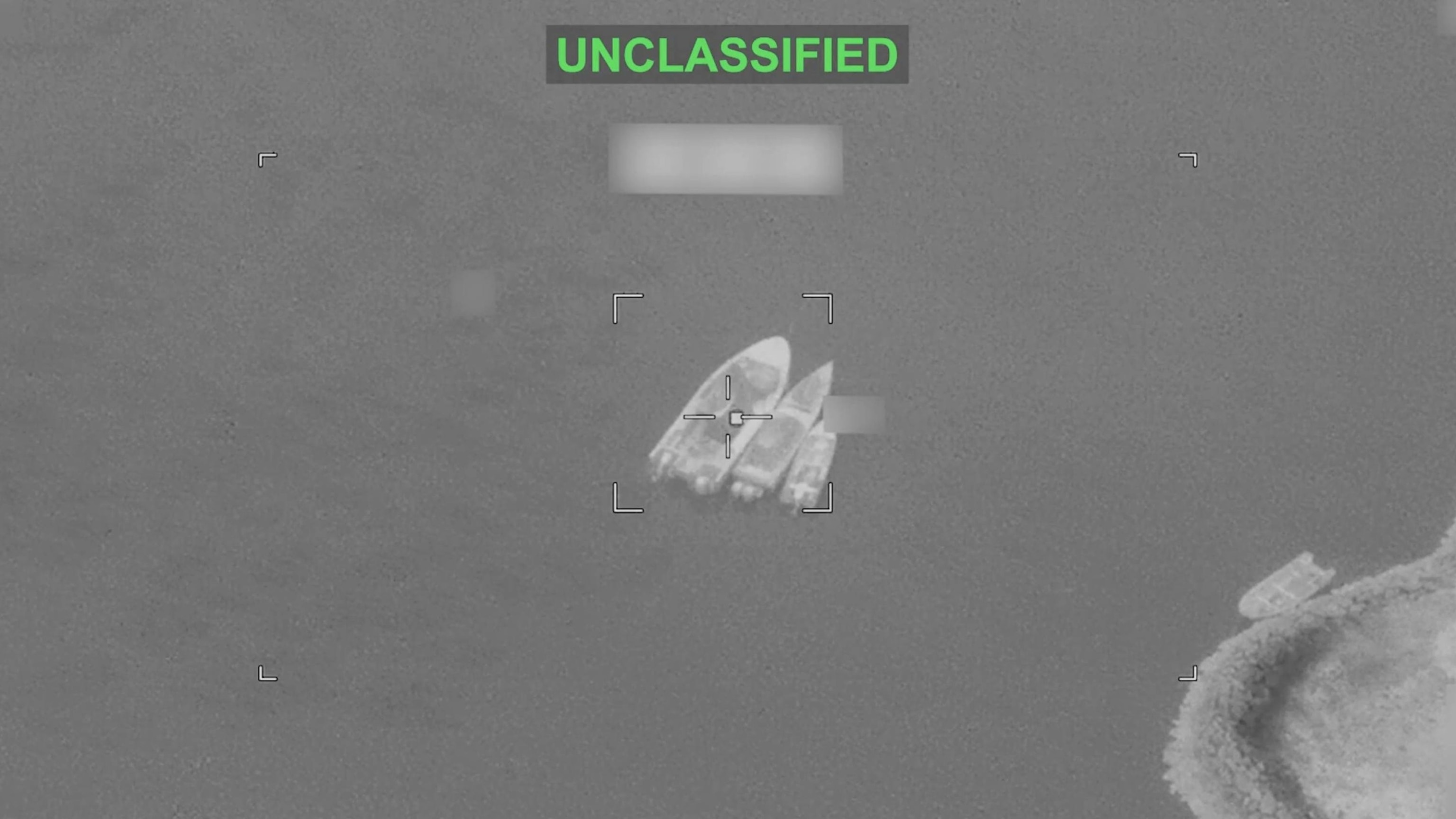
The latest tensions arose when multiple attacks targeted commercial ships in the Strait of Hormuz, allegedly orchestrated by Iranian forces. In a meeting held at a NATO summit in Ankara, Turkey, Trump and his advisors convened to decide on a U.S. response to these aggressive actions.
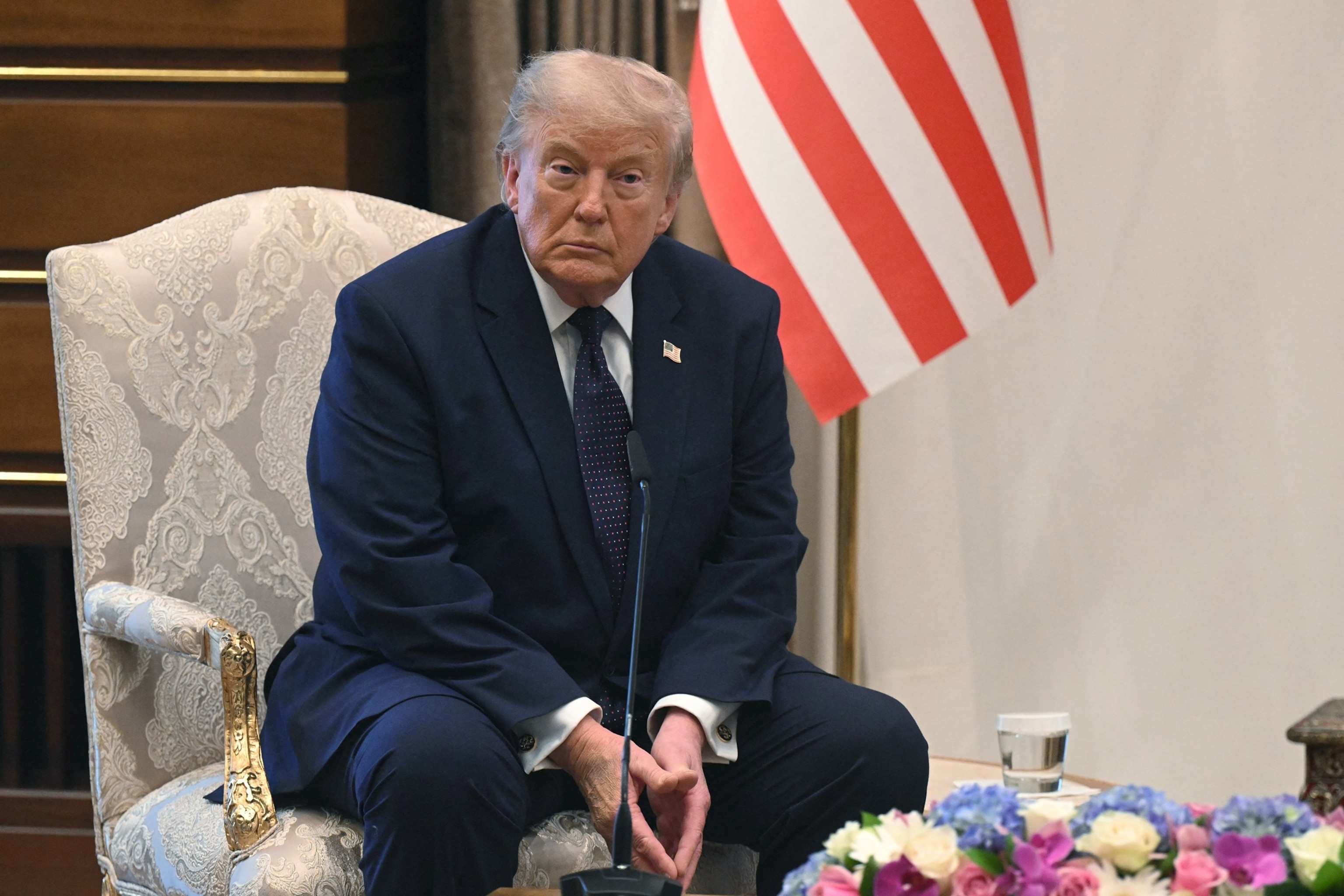
During a press conference alongside NATO Secretary General Mark Rutte, Trump expressed his disdain towards Iranian leadership, stating, "I don’t want to deal with them anymore. They’re scum. You know what scum is? They’re scum. They’re sick people, led by sick people." His comments reflect a deepening animosity, emphasizing that, in his view, negotiations with Iran have become futile.
The Implications of Trump's Statements
Despite his belief that previous negotiations have run their course, Trump indicated that some form of dialogue might persist. He remarked, “I’ll let our wonderful negotiators keep talking if they want, but I don’t see it.” The complexity of U.S.-Iran relations remains, with the potential for conflict overshadowing any prospects for peace.
The MOU, originally heralded as a breakthrough, suspended hostilities for action, mainly concerning Israeli confrontations with Iran-backed Hezbollah in Lebanon. However, as critical aspects of the agreement, particularly surrounding Iran's nuclear program, lack resolution, the future of diplomatic efforts remains uncertain.
Looking Forward
The U.S. administration’s resolve to end all forms of uranium enrichment by Iran continues to clash with Tehran's claims of needing enrichment for civilian purposes. As discussions proceed, the international community watches closely, wondering how these tensions will unfold on the global stage.