Graham Platner Suspends Senate Campaign After Sexual Assault Allegation
Democratic candidate steps back from race amid serious claims as political landscape shifts in Maine.
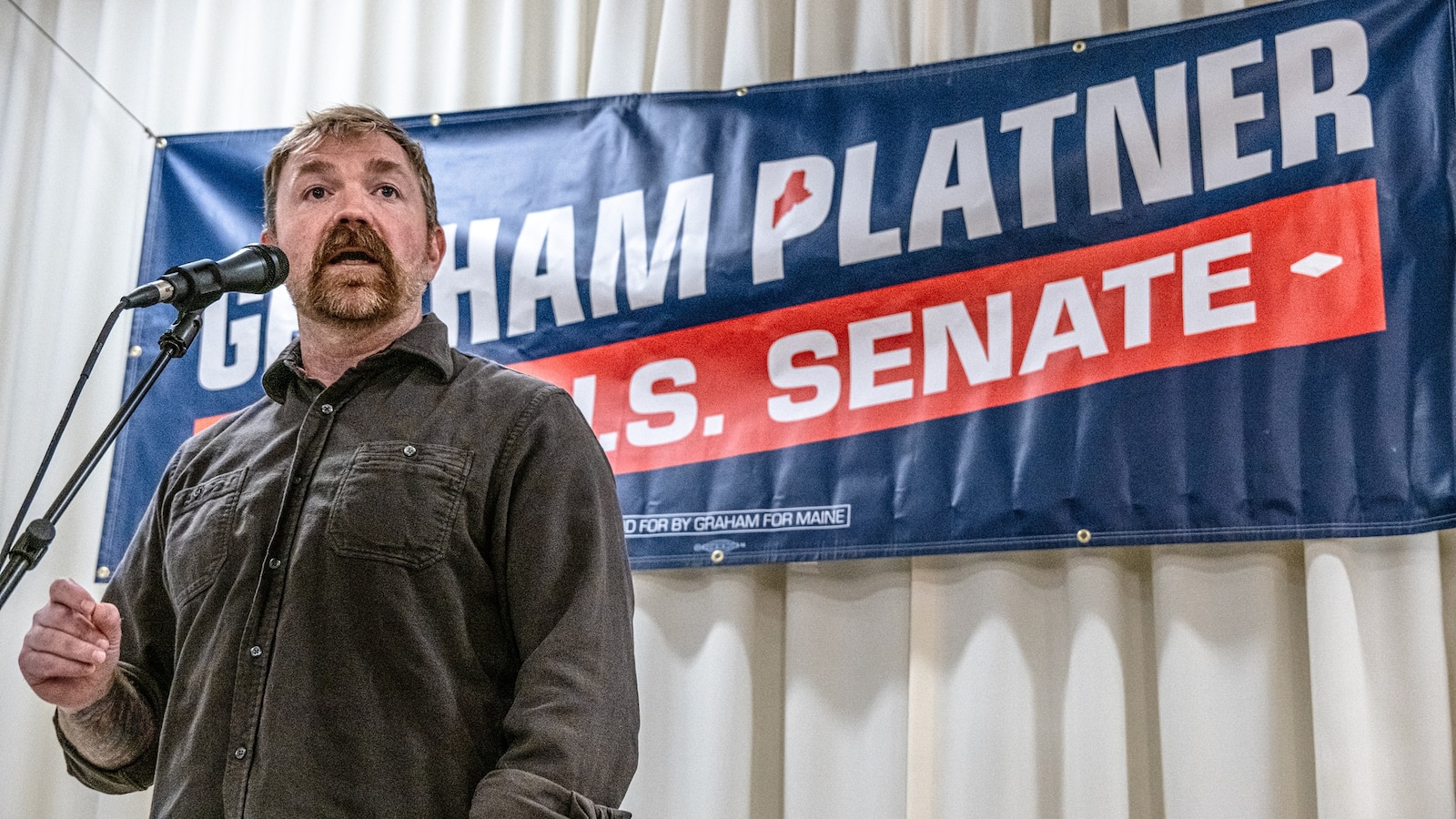
Unfolding Events in Maine's Senate Race
In a surprising turn of events, Democratic Senate candidate Graham Platner has suspended his campaign following serious allegations of sexual assault made by a former girlfriend. Platner, an oyster farmer and military veteran, made the announcement in a social media video on Wednesday, indicating his withdrawal from the ballot in what was anticipated to be one of the most competitive Senate races in the nation.
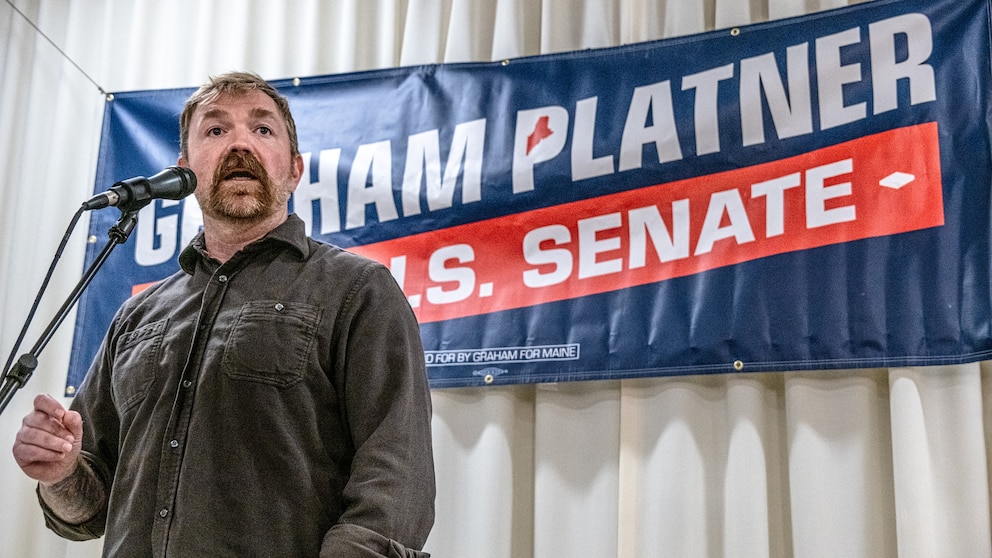
Details of the Allegations
According to a report by Politico, the accusations come from Jenny Racicot, who claimed that Platner forced her into having sex without her consent during their relationship five years ago. In his video statement, Platner categorically denied the allegations, expressing that he learned about the claims through press inquiries, giving him little time to respond adequately.
“What comes next needs to come from the people of Maine,” he stated, urging for a transparent process in finding his replacement on the ballot. Platner emphasized that he believed being at the forefront of the campaign was no longer viable for the movement he wants to advance.
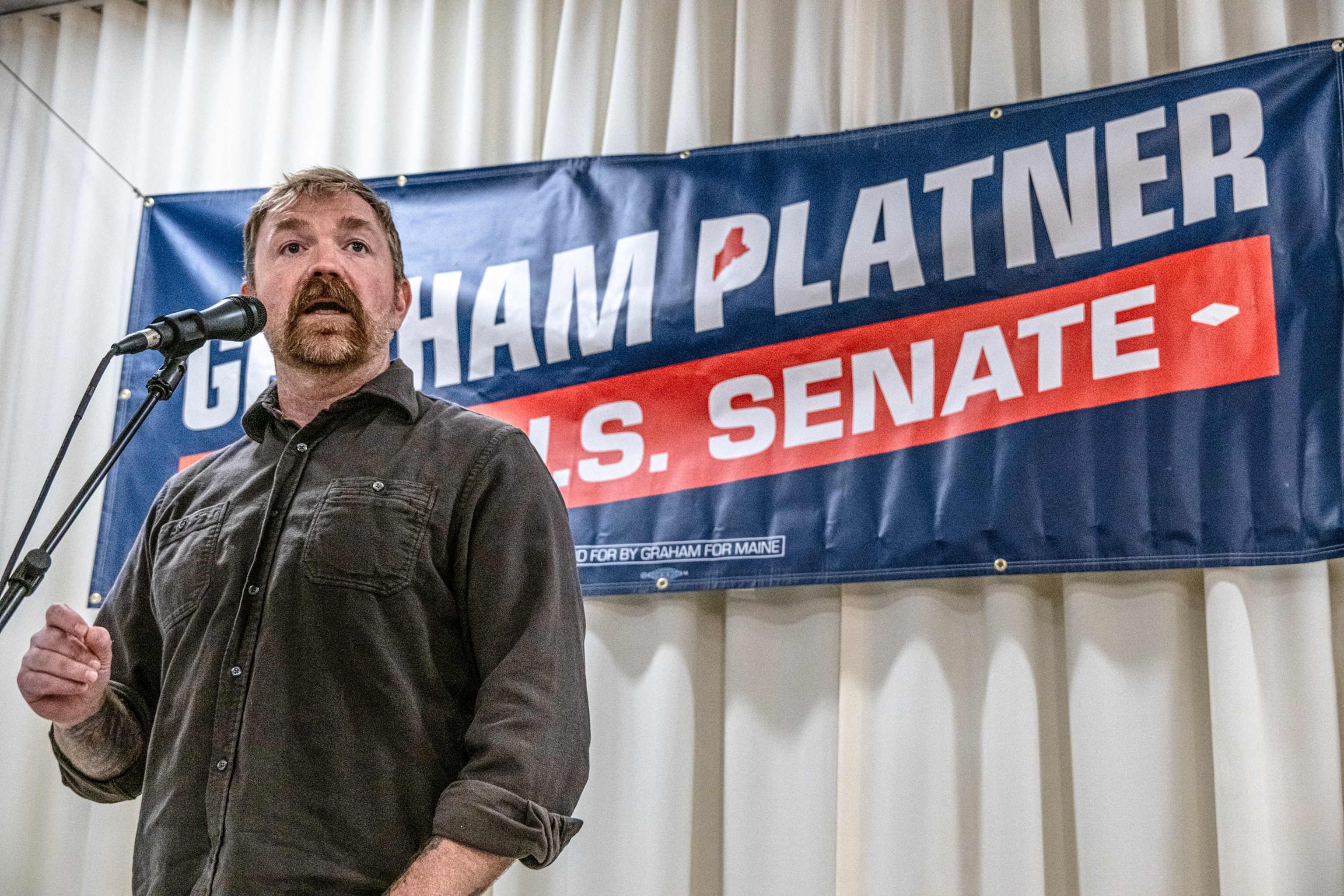
Political Reactions and Implications
The fallout from the allegations has been swift. Prominent Democrats—including Senate Democratic Leader Chuck Schumer and Senators Kirsten Gillibrand, Elizabeth Warren, and Bernie Sanders—have publicly called for Platner to withdraw from the race. Senator Collins, his anticipated opponent, called the allegations "appalling" but also noted that the decision to select a Democratic nominee lies beyond her influence.
With the suspension of his campaign, Platner has until July 13 to formally withdraw, allowing Maine Democrats a window until July 27 to choose a new nominee. As of now, no candidate has been identified as a replacement.

The Campaign’s Background
Platner had surged into the Democratic spotlight after clinching over 70% of the primary vote in June, showcasing himself as an outsider focused on addressing wealth inequality. His appeal had resonated with supporters who were disillusioned by the political establishment, positioning him as a direct challenge to incumbent Senator Susan Collins.
However, the campaign also faced turbulence, including reports of Platner sending sexual texts to multiple women and a controversial Nazi-symbol tattoo, which he later covered up upon discovering its implications. His transparent acknowledgment of personal issues might have resonated with constituents, yet the weight of the new allegations has overshadowed previous discussions.
Future of Maine’s Political Landscape
The suspension of Platner’s campaign not only reshapes the immediate Senate race dynamics but also raises crucial questions about the prevailing attitudes toward allegations of misconduct in politics. As Maine and the broader nation moves forward, the response to these allegations will undoubtedly influence voter sentiment in the approaching elections.
As the saga unfolds, it is crucial to observe how political actors, voter demographics, and key stakeholders in Maine react in the wake of these serious allegations, potentially redefining the strategies of both parties in the months leading up to the election.