Super El Niño: A Looming Humanitarian Crisis
With unprecedented forecasts, experts warn of extreme weather and humanitarian impacts as the strongest El Niño approaches.
A Virulent Threat: The Rise of Super El Niño
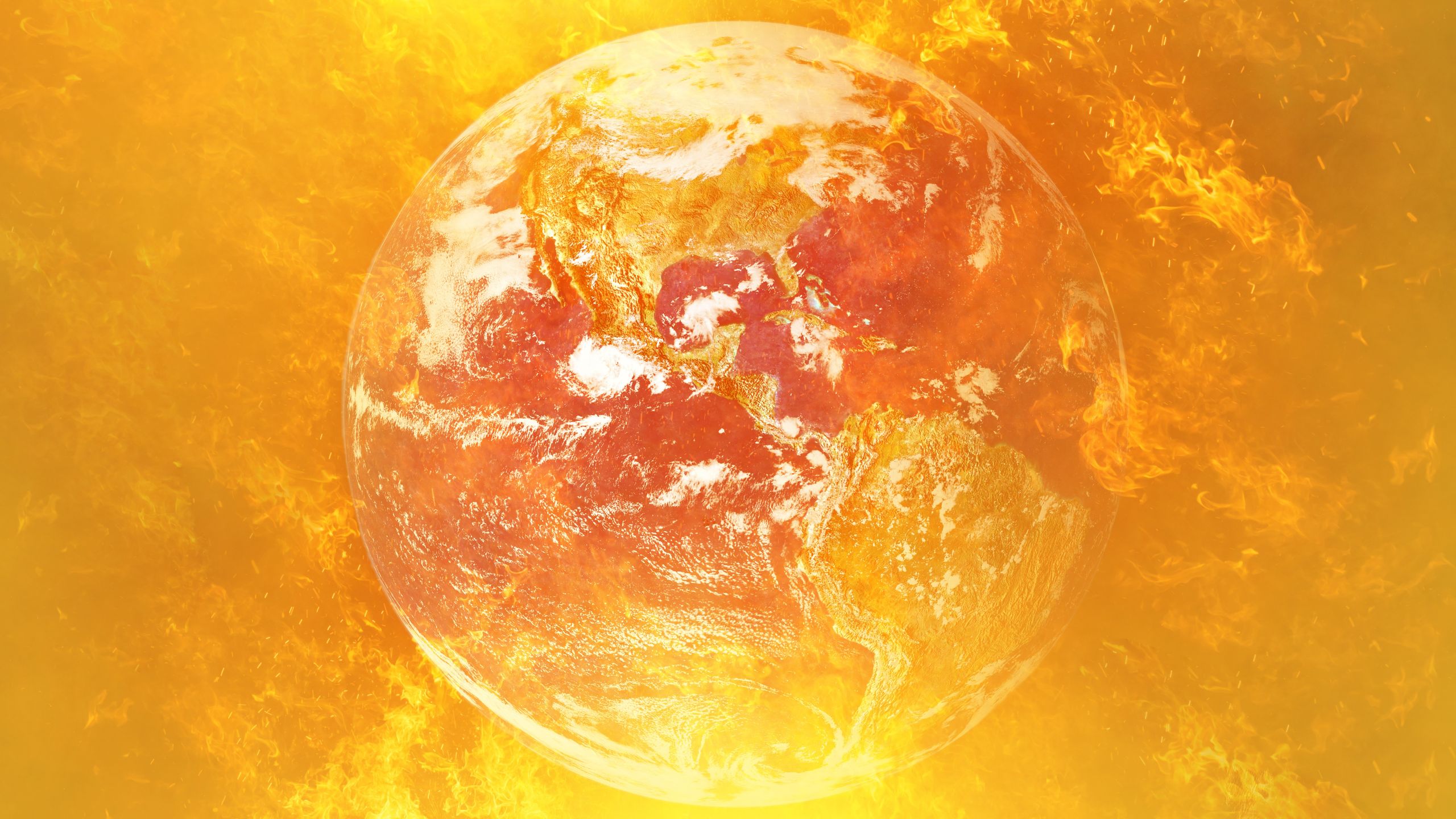
As forecast models converge on the alarming prediction of an unprecedented El Niño phenomenon, the world braces for potentially dire humanitarian consequences. Recent analyses indicate that the ongoing El Niño, declared officially on June 11, 2026, is on track to strengthen rapidly, raising ocean temperatures in the Pacific by an estimated up to 3.6 degrees Celsius (6.5 degrees Fahrenheit) above average, setting it on a course to become the strongest event recorded to date.

The Science Behind the Forecast
Forecasters from the National Oceanic and Atmospheric Administration's (NOAA) Climate Prediction Center now assign a significant 90% likelihood that the 2026-2027 El Niño will shatter previous records. Prominent climate researcher Zeke Hausfather from Berkeley Earth highlights that this El Niño could indeed operate within a new tier of global heating and extreme weather events.
Emily Black, a professor of terrestrial processes and climate, emphasizes that the level of agreement across models combined with the current warming trends in the tropical Pacific merits serious consideration. "The important point is that a very strong El Niño would substantially shift the odds of damaging weather in many parts of the world, particularly in the Global South — with severe impacts on livelihoods," she states.
Potential Humanitarian Crisis
The International Rescue Committee has issued warnings about the potential humanitarian repercussions. Regions such as East Africa and Asia are at high risk for severe flooding and drought, particularly affecting vulnerable communities already grappling with instability. The domino effect of such weather shifts may unleash a cycle of crisis, exacerbating food insecurity and displacing populations.
This El Niño marks a return of the warm phase of a multiyear climate pattern infamous for extreme weather consequences. While in the past, the natural phenomenon was isolated, experts now note its occurrence against the backdrop of an already heated planet—a scenario that could amplify its impacts akin to using a magnifying glass on a flame. Black outlines, "El Niño is a natural climate phenomenon, but it is now happening against the backdrop of a much warmer planet. That matters because a strong El Niño releases heat and energy into an already warmed world."
The Bigger Picture
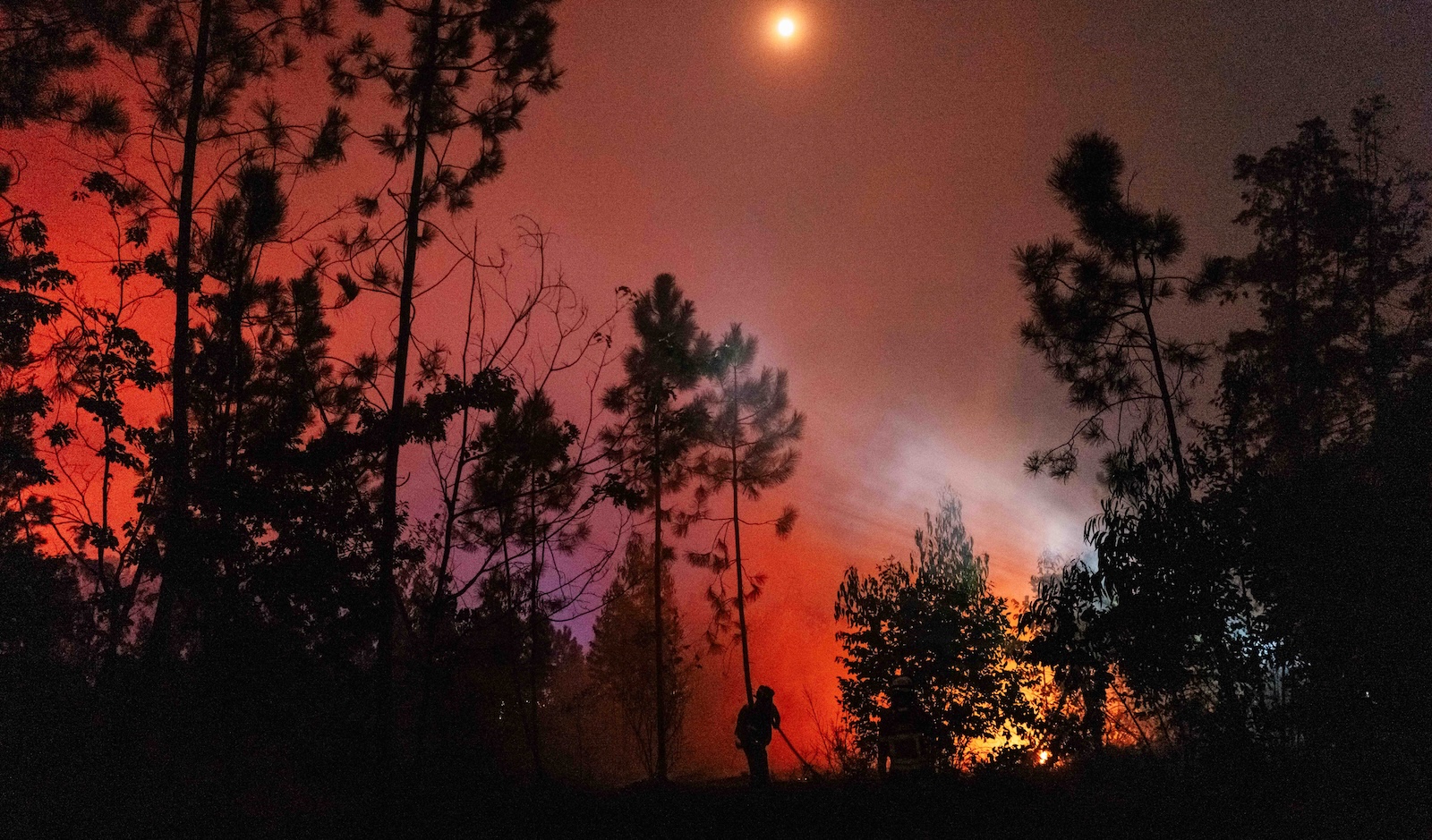
While El Niño is inherently a climate pattern, its current manifestation is presenting worrying forecasts that cannot be viewed in isolation from the overarching context of climate change. The last El Niño event was marked by severe temperature anomalies, severity that spilled over into record-breaking heat across several regions. Projections are suggesting that the current El Niño will far surpass its predecessors.
Notably, numerous regions around the globe face unique threats, from potential drought conditions translating into agricultural failures in the Southern Hemisphere to flooding and intensified storms in the North. As a united international society strives to adapt to these evolving climatic challenges, the urgency for coordinated humanitarian responses has never been more critical.
With growing awareness and preparation, there may still be time to mitigate some of the impacts that this looming Super El Niño could unleash. As our climate continues to change at an unprecedented rate, understanding and planning for these disparities will be essential for resilience in the face of an uncertain future.