Northeast Braces for Flash Flooding Threat: A Futuristic Outlook
Severe storms predicted across major urban centers, impacting millions.
Introduction
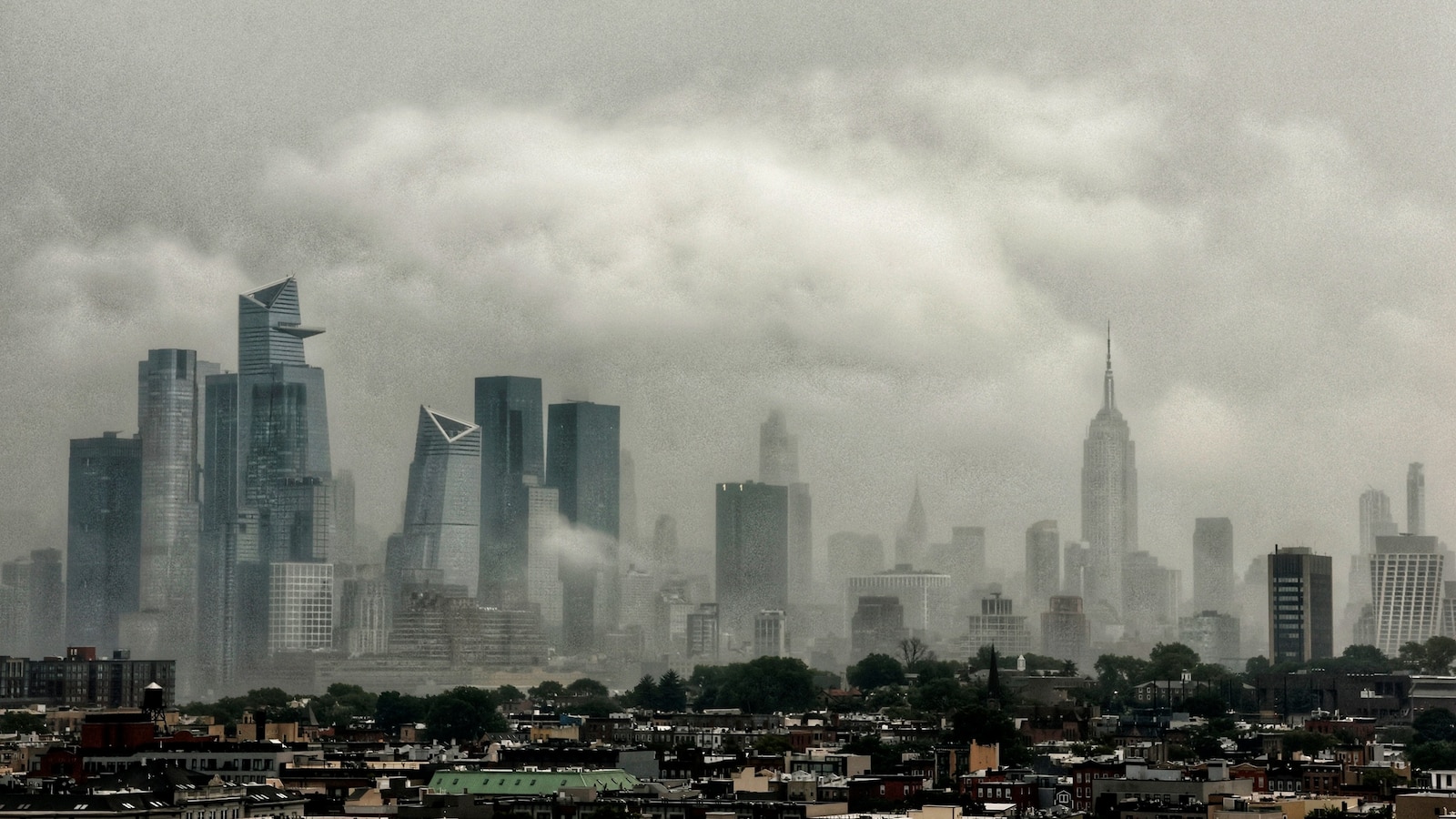
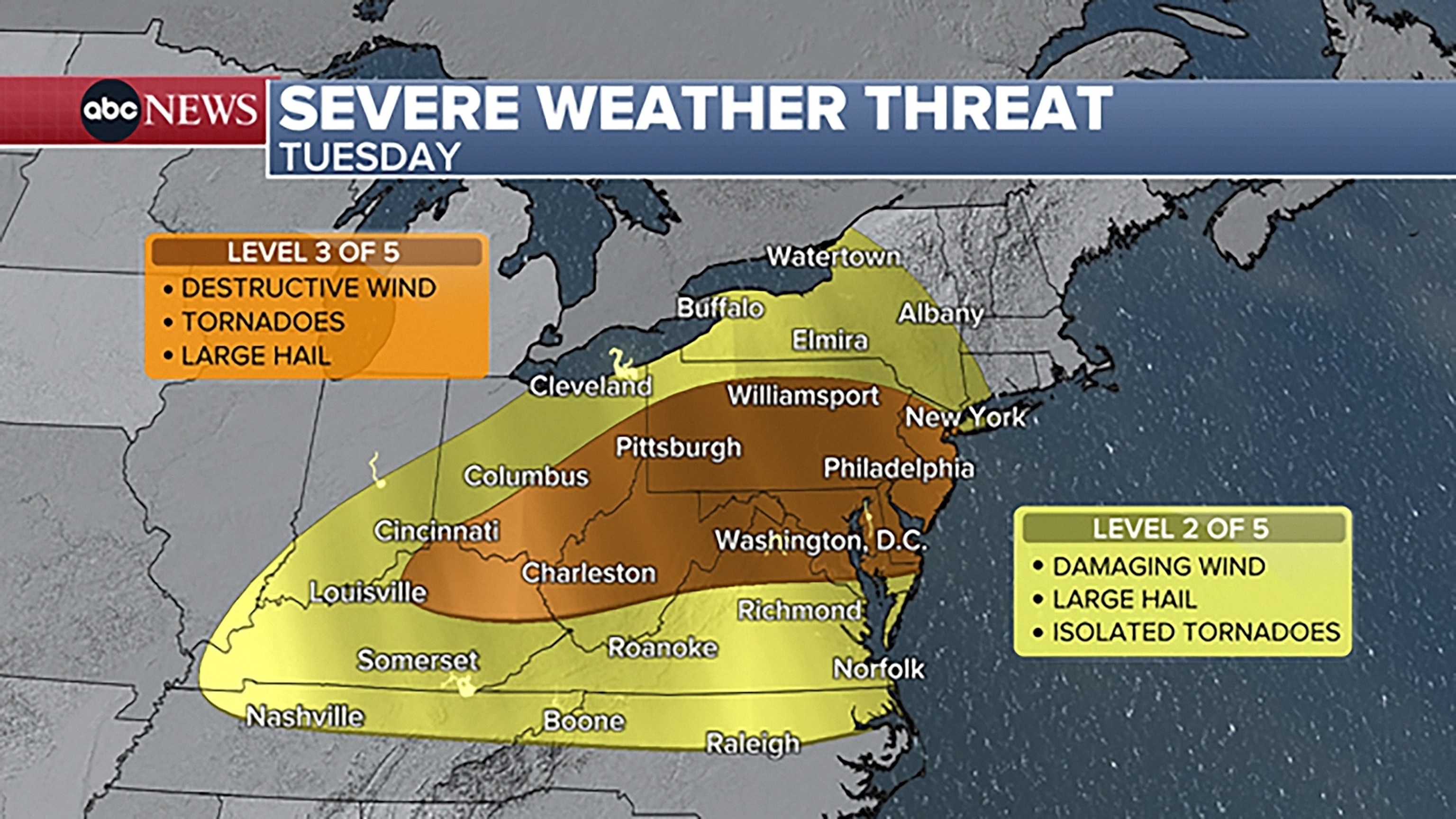
As the Northeast and Mid-Atlantic prepare for an impending round of severe storms, meteorologists warn of the escalating threat of flash flooding. With a projected risk level of 3 out of 5, regions from northeastern Kentucky to New Jersey—including metropolitan hubs like Pittsburgh, Washington D.C., Baltimore, and Philadelphia—are on high alert.
Current Weather Forecast
The forecast indicates heavy rainfall, potentially exceeding 1 inch per hour, which raises significant concerns for flash flooding in urban areas. Flood watches have been officially issued for Tuesday, affecting areas from Delaware to southern New York. Cities such as Philadelphia and New York City are at the forefront of this warning.
The Meteorological Mechanics
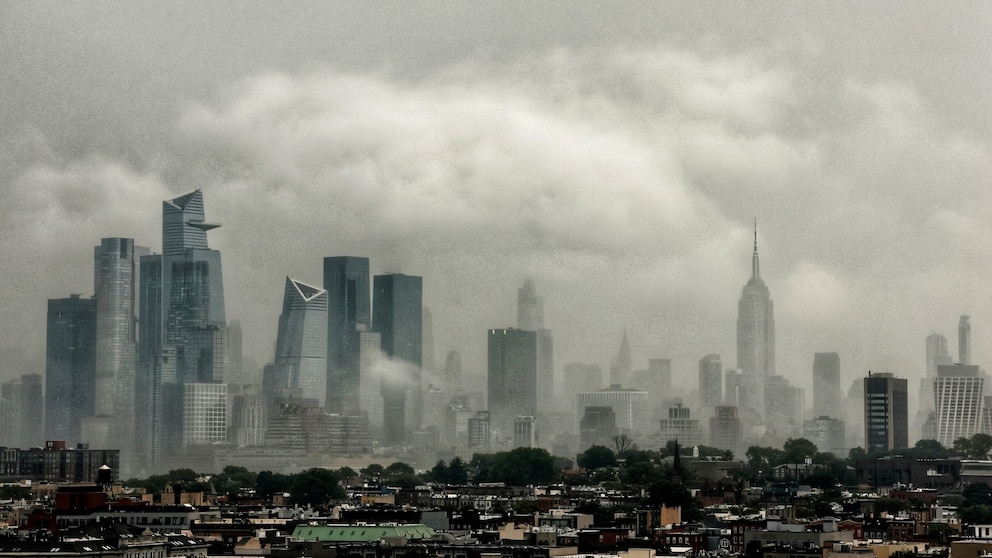
Experts anticipate numerous severe thunderstorms characterized by destructive winds and the possibility of tornadoes. This dynamic weather pattern is attributed to a collision of warm, moist air from the south with cooler air masses moving in from the north, creating conditions ripe for tumultuous storms.
Tornado and Severe Weather Risks
In addition to the flash flooding concerns, the risk of tornadoes will be heightened. Meteorological data suggests that these severe thunderstorms could lead to life-threatening situations. Residents are urged to stay informed and prepared for sudden weather changes.
Urban Infrastructure and Flood Preparedness
The impending storm serves as a stark reminder of the vulnerabilities faced by urban infrastructure. The rise of smart city technology aims to address such challenges through improved drainage systems and real-time monitoring of weather conditions. Cities are investing heavily in flood management technologies that utilize AI to predict and respond to weather events effectively.
Future Innovations in Weather Prediction
Looking ahead, advancements in meteorological science may simplify weather prediction and enhance public safety. The integration of machine learning algorithms could analyze vast datasets to improve prediction accuracy. As we move toward a more technology-driven future, collaborations between meteorologists and data scientists are likely to yield transformative results.

Conclusion
The forecasted severe storms and flash flooding conditions underscore the critical need for preparedness and adaptability in the face of climate change. As the Northeast braces itself, communities are reminded to heed official warnings, stay informed, and utilize emerging technologies to navigate challenges within an evolving climate landscape.