Neuroscience Replication Crisis: Unveiling the Fragile Foundations of Brain Research
How inconsistencies in brain imaging studies are reshaping our understanding of the human brain
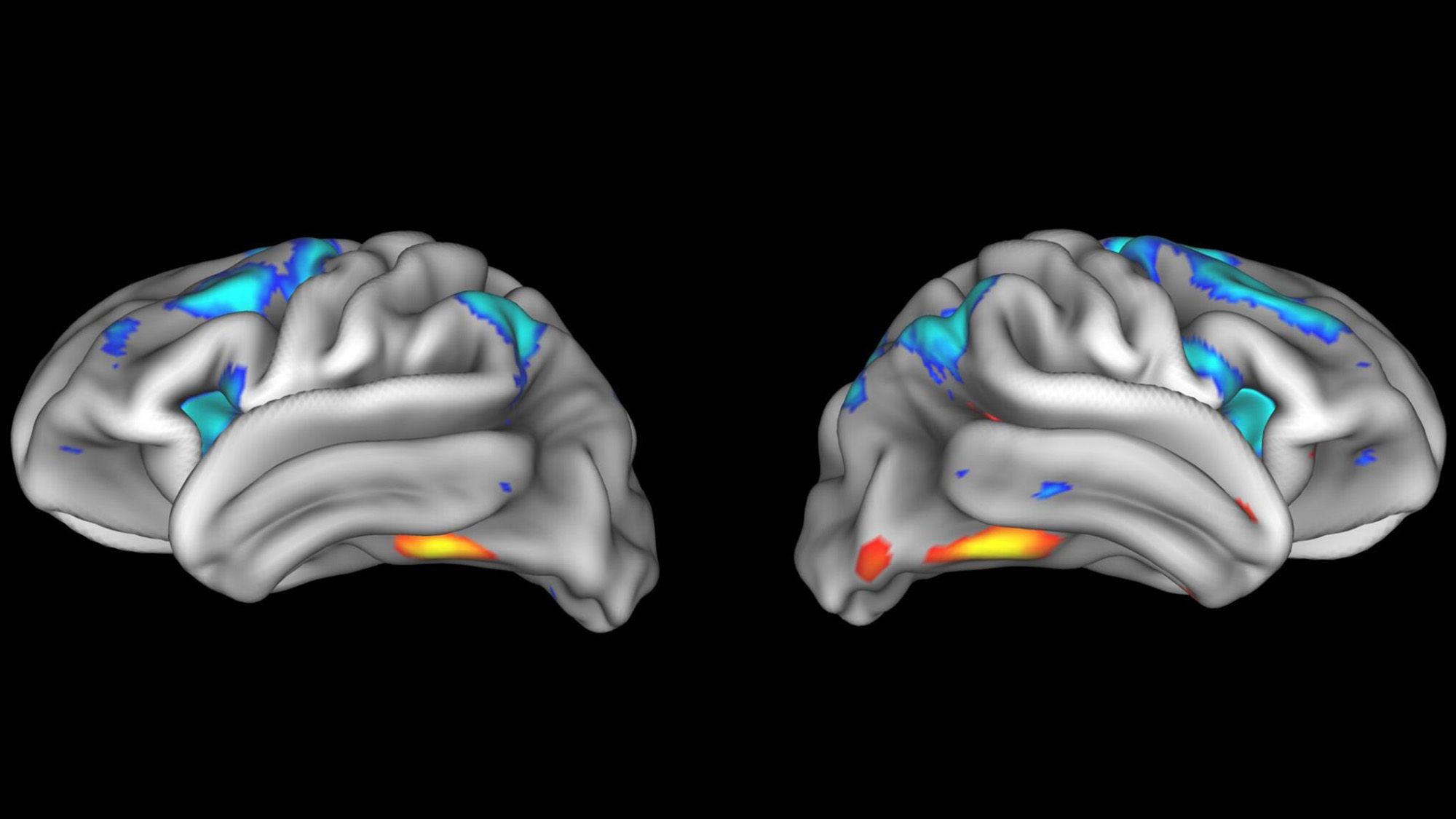
A Crumbling Foundation in Brain Research
In recent years, the field of neuroscience has grappled with a significant challenge commonly referred to as the "replication crisis." An alarming number of foundational brain imaging studies have failed to produce consistent results when subjected to follow-up research. This inconsistency raises critical questions concerning our understanding of the brain and the validity of numerous established theories.
The Fragility of Established Findings
One pivotal study published in 2007 suggested that the brains of children diagnosed with ADHD matured at a slower pace compared to their peers. However, a 2026 follow-up study utilizing data from the Adolescent Brain Cognitive Development (ABCD) project revealed that the original findings disappeared once researchers accounted for the developmental differences between boys and girls. 
Such revelations have prompted experts to scrutinize the very methodologies and assumptions that underpin neuroscience research. According to Randy Ellis, a senior scientist at Oracle, the inherent pressure within academic circles to publish positive findings contributes to the proliferation of flawed studies.
The Pressure to Publish Positive Results
The quest for groundbreaking discoveries often leads academics to prioritize quantity over quality in research outputs. This "original sin" in science distorts the integrity of the research landscape. The downside? The foundation of brain-behavior imaging research may be shakier than we once believed, hampering progress in understanding neurological diseases and conditions.
Cited Studies, Misleading Citations
Many original papers that have shaped current thinking in neuroscience boast over 500 citations, indicating their significant influence. Yet, the inability to replicate these findings not only jeopardizes existing knowledge but also hampers the growth and development of the science itself. 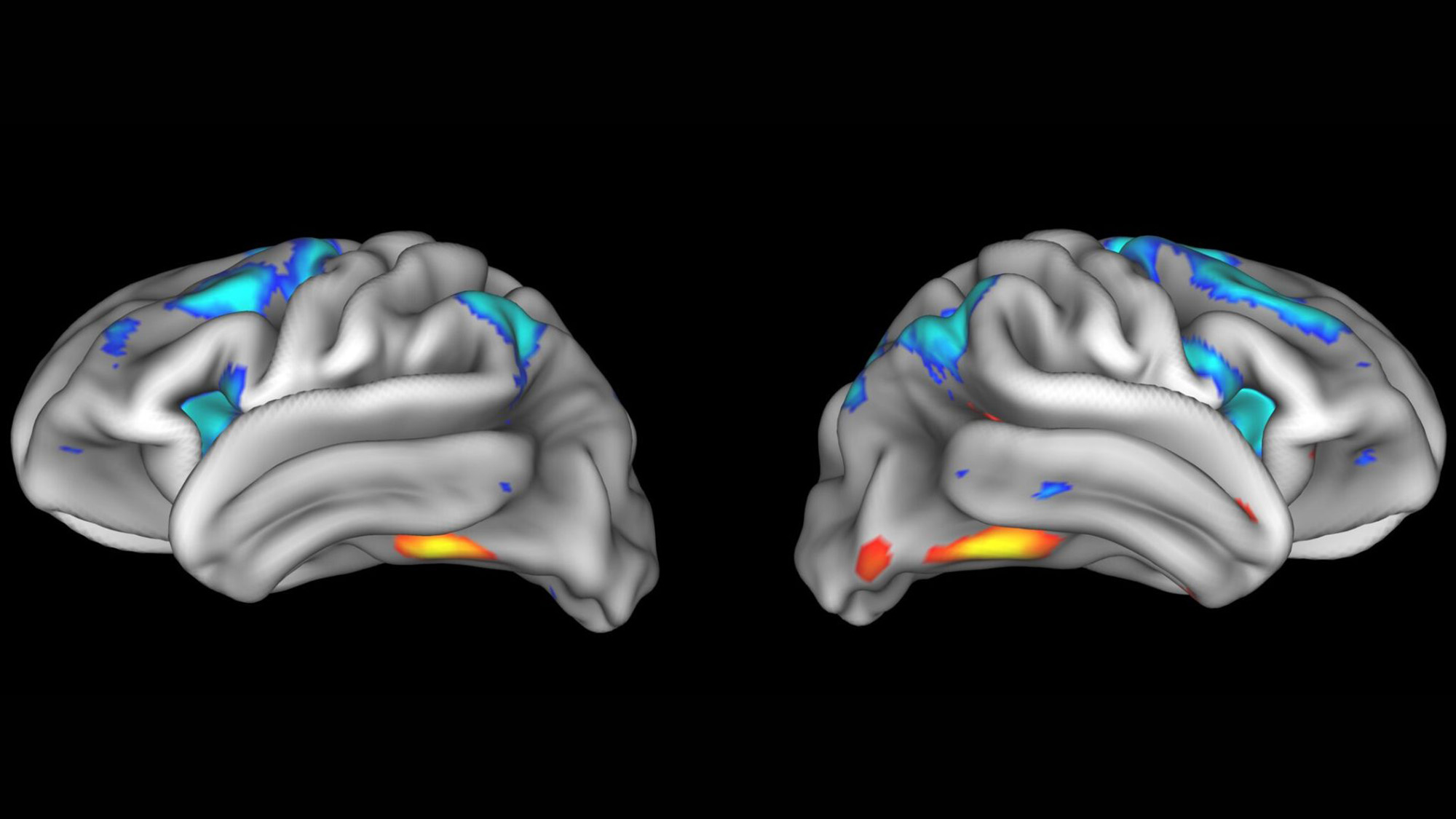
Access Challenges and Sample Sizes
Another barrier in this research landscape is the lack of access to MRI machines. These advanced imaging techniques are exceptionally costly and logistically challenging to utilize, leading many studies with a limited number of participants. For instance, while a landmark study in 2007 claimed that ADHD brains mature more slowly, a 2026 investigation found those correlations vanished once differences in aging rates between genders were accounted for. Such discrepancies reveal how easily conclusions can be undermined by not considering critical variables.
The Struggle for Replication
Further complicating matters is the difficulty in replicating established studies. A 2011 study linking the density of gray matter in various brain regions with the number of Facebook friends—an essential social metric at the time—was invalidated by a 2015 replication effort. Discrepancies arose due to variations in research protocols. 
Indeed, as noted by neuroscientist Sarah Genon from the Research Center Jülich in Germany, many of these studies operate under outdated assumptions, oversimplifying complex neural functions. The reliance on small participant pools, typically around 25 individuals, undermines any meaningful analysis and correlational findings.
Looking Ahead: The Future of Neuroscience Research
For neuroscience to advance effectively, it must confront the structural flaws embedded within its research framework. The field should prioritize larger, more diversely representative sample sizes while employing rigorous replication protocols. Additionally, a shift in the research culture toward valuing quality and reproducibility over publishable outcomes will be paramount.
As the neuroscience community continues to address these challenges, a renewed focus on collaborative research efforts and transparency will be crucial to restoring confidence in the findings that shape our understanding of the human brain.