NASA Astronaut Shares Image of Stunning Crystal Growth in Space
Extraterrestrial Crystals Reveal the Mysteries of Microgravity Phenomena
Incredible Crystal Growth Aboard the ISS
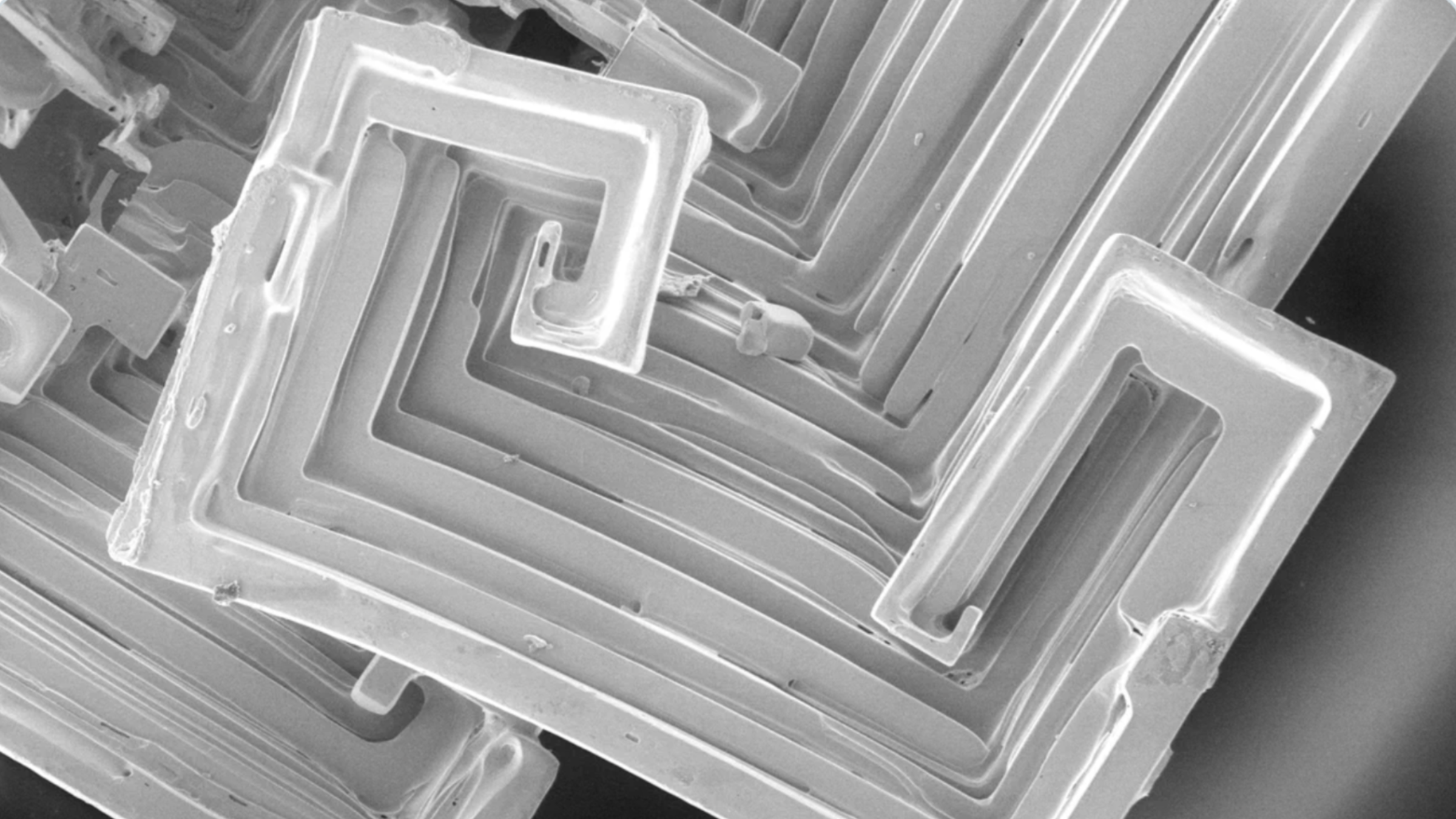
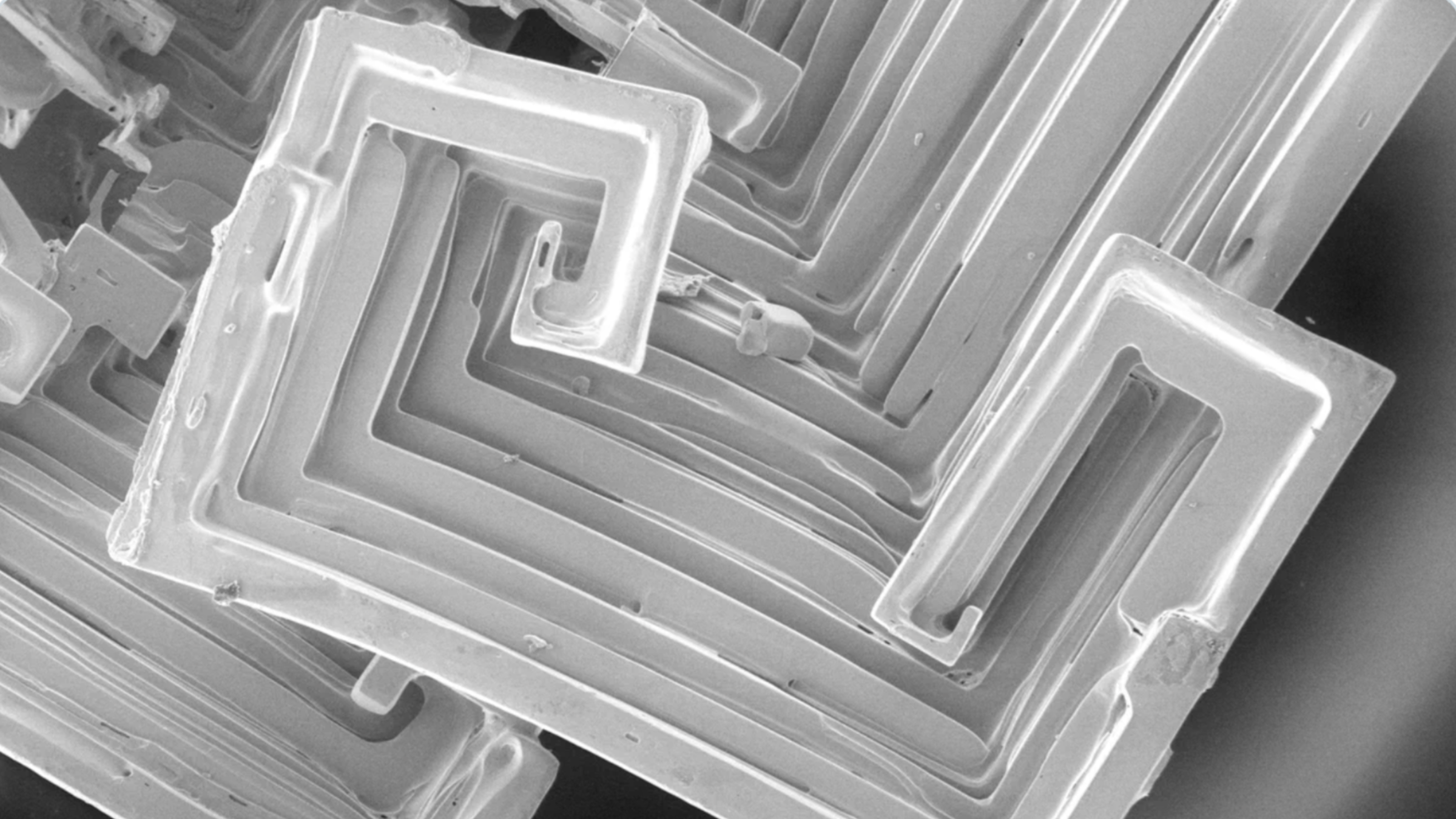
NASA astronaut Don Pettit recently captivated the public's imagination by sharing a mesmerizing image of a potassium chloride crystal growing aboard the International Space Station (ISS). This extraordinary crystal, resembling a tiny futuristic sculpture, showcases the unique effects of microgravity on ordinary materials—demonstrating how they can form in ways that defy traditional earthly expectations.

Microgravity: The New Playground for Science
The crystal’s whimsical shape—a pyramid-like assembly with hollow, stepped layers—illustrates how microgravity allows it to grow without the gravitational constraints found on Earth. Rather than settling or collapsing under its own weight, the crystal expands outward from its core. Anne Wilson, a professor of chemistry and biochemistry, points out that in the near-weightless environment of the ISS, gravitational forces become less dominant, giving rise to alternative phenomena such as enhanced molecular attraction and polarity.
What is 'Hopper Growth'?
This fascinating growth process, termed hopper growth, allows the potassium chloride crystals to form primarily from their edges and corners. As scientists observed, this results in a striking visual pattern where new corners emerge and can shift the entire growth direction, producing the elegant and unique structures captured in Pettit's images.
The Implications of Crystal Growth in Space
Beyond their aesthetic appeal, the crystals grown in microgravity offer significant scientific insights. Researchers note that the lack of gravitational interference often results in fewer defects, providing a glimpse into what an ideal crystalline structure might look like. Such understanding could be instrumental in refining manufacturing processes for high-tech materials, including semiconductors, which are vital for modern technology.
A Source of Inspiration
Wilson emphasizes that images like these go beyond scientific importance—they serve to inspire curiosity and creativity. “I love seeing videos of how things behave in space,” she expresses, highlighting the unparalleled opportunities for experimentation aboard the ISS.
Exploring the Unknown
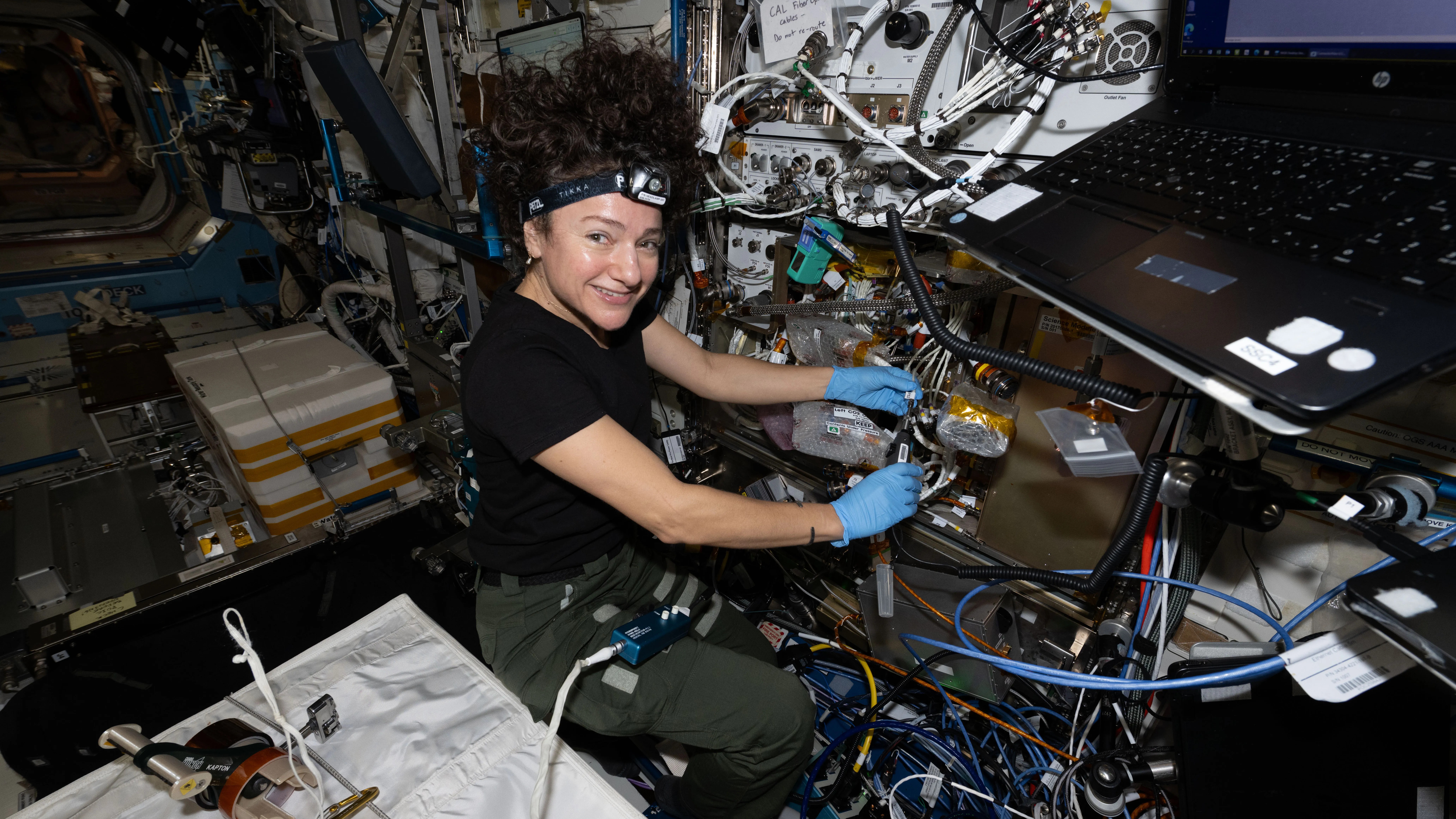
NASA astronauts regularly conduct groundbreaking science experiments in the unique microgravity setting of the ISS. Recent endeavors include the creation of an elusive fifth state of matter and studies on the resilience of moss spores exposed to the harsh environment of space.
Conclusion
The captivating growth of potassium chloride crystals in microgravity not only challenges our understanding of crystal formation but also opens doors to new scientific avenues. As humanity continues to explore space and the phenomena within, the insights gleaned from these experiments will pave the way for future technological advancements and inspire generations to dream of the stars.